Nullam dignissim, ante scelerisque the is euismod fermentum odio sem semper the is erat, a feugiat leo urna eget eros. Duis Aenean a imperdiet risus.

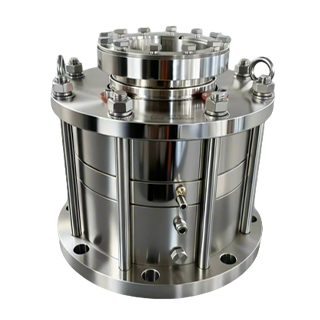
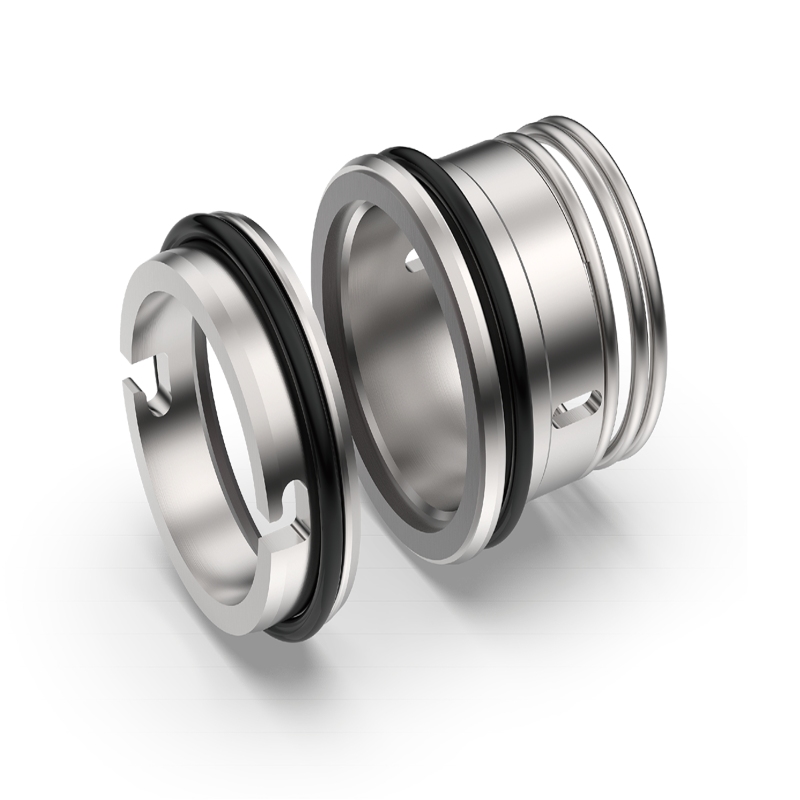
XYM-Z280
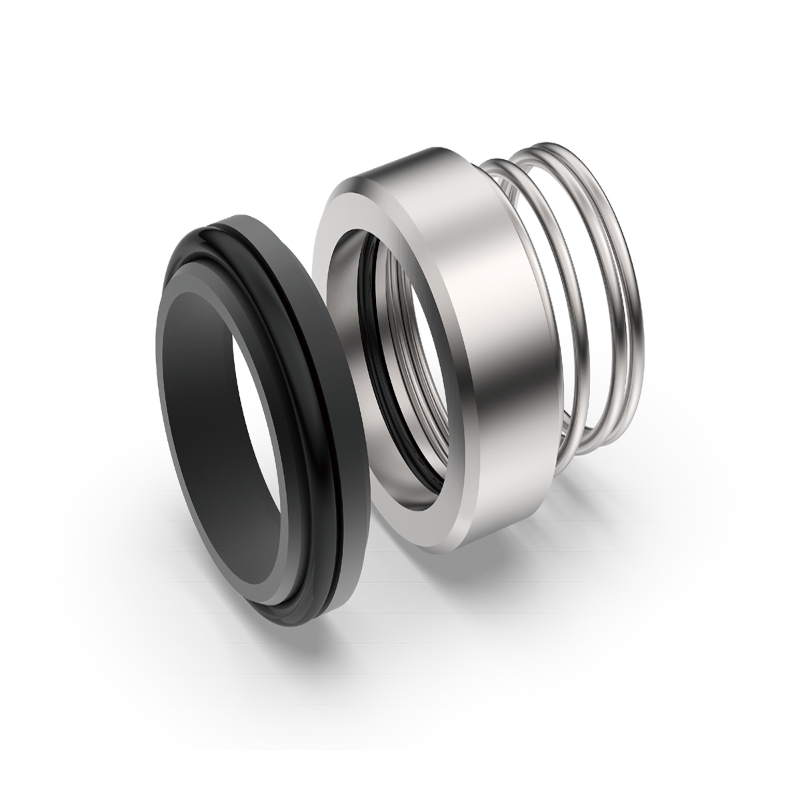
XYM-Z280

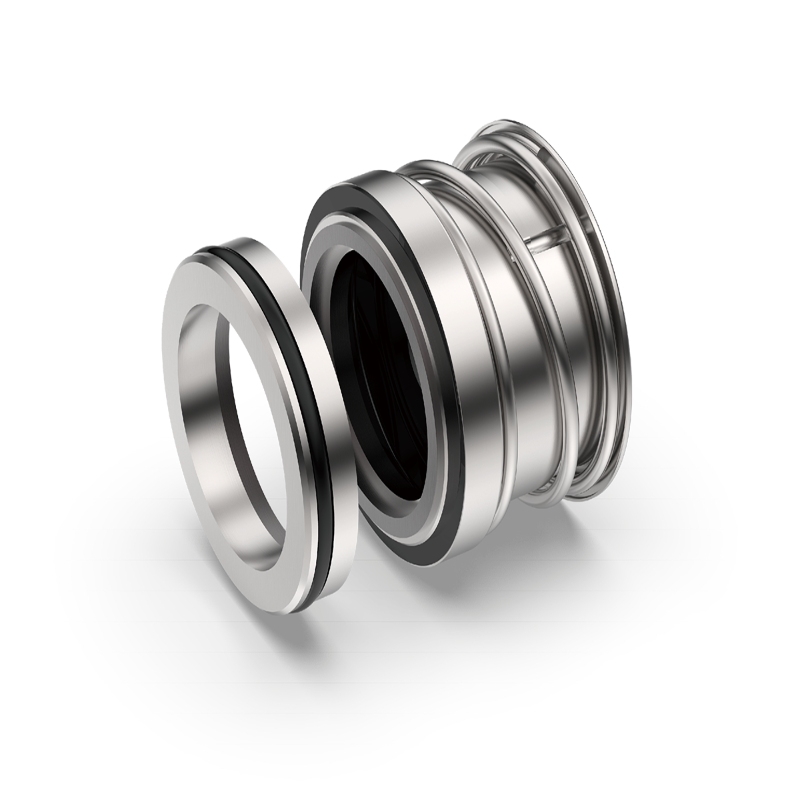
XYM-Z280

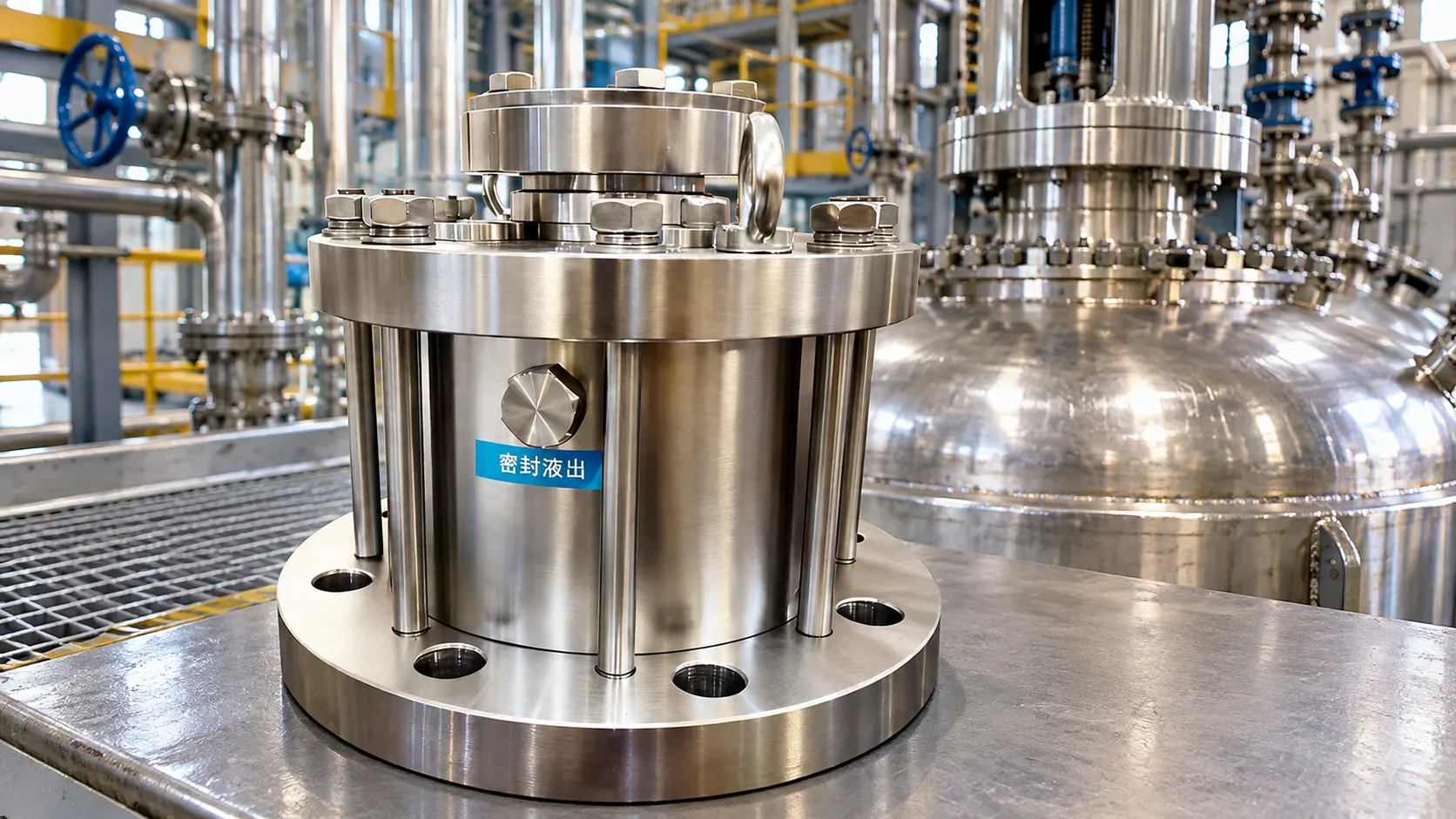
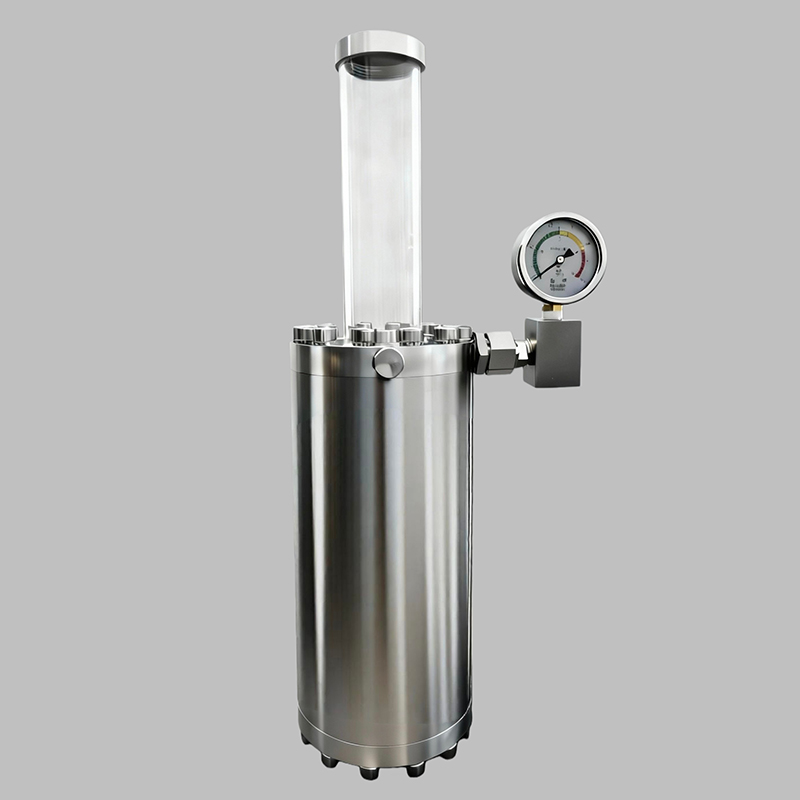
1. Connect the piping for the mechanical seal according to the schematic diagram. Before connection, fill the mechanical seal and the booster tank with sealing liquid (engine oil or process medium agreed upon before ordering), bleed all air from the system, and plug all pipe plugs. 2. Confirm that in the initial state, the piston of the booster tank stays at the bottom of the sight cover. 3. Under normal operation, when the pressure reaches the maximum operating pressure, the piston rises to a position below 1/3 of the sight cover and remains stationary. 4. If the piston exceeds the upper warning line during operation, refill the sealing liquid by following the above steps again. 5. If the piston fails to actuate when the operating pressure exceeds 0.25 MPa, contact the manufacturer for resolution.

Product features and advantages

1. Modular design allows all wearing parts to be interchangeable, ensuring better stability in mass production and higher cost performance.
2. With modular design, production is used to replace stocking, and the delivery time is shortened by 50% compared with the original design.
3. Dry-running products feature higher cleanliness, enhanced safety and lower noise; they replace imported mechanical seals and offer better cost performance.

Parameter

Design Pressure XYM-Z280 Type PN0 ≤ 4.0 MPa
Design Temperature -60~180℃
PRODUCTS

PRODUCTS

View More
News

News

View More

28/ August

Top-Entry vs Side-Entry Agitator Mechanical Seals: Design Differences, Shaft Loads, Bearings and Selection

Compare top-entry vs side-entry agitator mechanical seals, including shaft loads, bearing support, seal selection, maintenance, and RFQ requirements.
Learn More
Top-Entry vs Side-Entry Agitator Mechanical Seals Design Differences, Shaft Loads, Bearings and Selection

27/ August

API Plan 52 vs Plan 53 for Dual Mechanical Seals: How to Choose the Right Buffer or Barrier Fluid System

Compare API Plan 52 vs Plan 53 for dual mechanical seals. Learn buffer vs barrier fluid, selection criteria, risks, retrofit checks, and RFQ tips.
Learn More
API Plan 52 vs Plan 53 for Dual Mechanical Seals How to Choose the Right Buffer or Barrier Fluid System

21/ August

Pump Mechanical Seal Replacement RFQ Checklist: What Data to Send Before Ordering

Use this pump mechanical seal replacement RFQ checklist to submit dimensions, operating data, failure photos, drawings, and purchasing requirements.
Learn More
Pump Mechanical Seal Replacement RFQ Checklist What Data to Send Before Ordering

20/ August

Cartridge vs Component Mechanical Seals for Pumps: Installation Risk, Downtime, Cost and Selection

Compare cartridge vs component mechanical seals for pumps by installation risk, downtime, retrofit fit, lifecycle cost, and supplier selection.
Learn More
Cartridge vs Component Mechanical Seals for Pumps Installation Risk, Downtime, Cost and Selection
What We Do

Services we Offer

No matter what your mechanical seal needs may be, we’re here to help. Contact us today to learn more about our
services and how we can assist you with all of your needs.
service4

One-Stop Service System

We are committed to providing clients with one-stop service throughout the entire project lifecycle, ensuring efficiency, reliability, and worry-free operation from selection to operation.
decorate
Looking for a trusted mechanical seal supplier for your global projects?

Contact Us

Our factory has extensive export experience, and our products meet ISO standards. We offer a one-stop service from product selection to after-sales support, including on-site installation guidance. Whether you need small samples or large orders, we can meet your needs. Send us an inquiry today to discuss your project details and get a sample quote.

    Your Name*

    Email*

    Tel*

    WhatsApp*

    Message*

    Products
    Contacts
    WhatsApp
    Email