Nullam dignissim, ante scelerisque the is euismod fermentum odio sem semper the is erat, a feugiat leo urna eget eros. Duis Aenean a imperdiet risus.
Nullam dignissim, ante scelerisque the is euismod fermentum odio sem semper the is erat, a feugiat leo urna eget eros. Duis Aenean a imperdiet risus.
 author
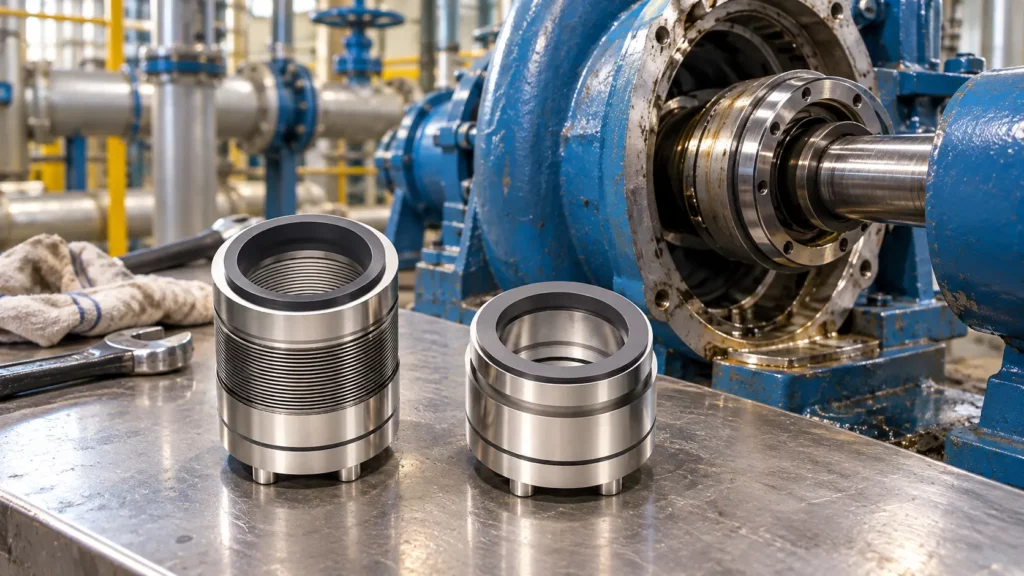
When an industrial pump starts leaking, the choice between a mechanical seal and gland packing is rarely a simple question of which component is cheaper. The right decision depends on acceptable leakage, fluid hazard, shaft condition, speed, pressure, solids, maintenance access, and the cost of downtime. For many clean or hazardous-fluid services, a mechanical seal is the stronger choice because it is designed to minimize visible leakage. Gland packing can remain practical where controlled leakage is acceptable, adjustment is easy, and a rugged, low-complexity arrangement matters more than tight emissions control.
A gland-packing arrangement uses rings of compressible material around the rotating shaft or sleeve. A gland follower applies pressure to the packing, which must be adjusted so it seals while allowing enough lubrication and heat dissipation. Some leakage is normally part of the operating method; too little leakage can overheat the packing and shaft sleeve, while too much leakage can waste product and contaminate the work area.
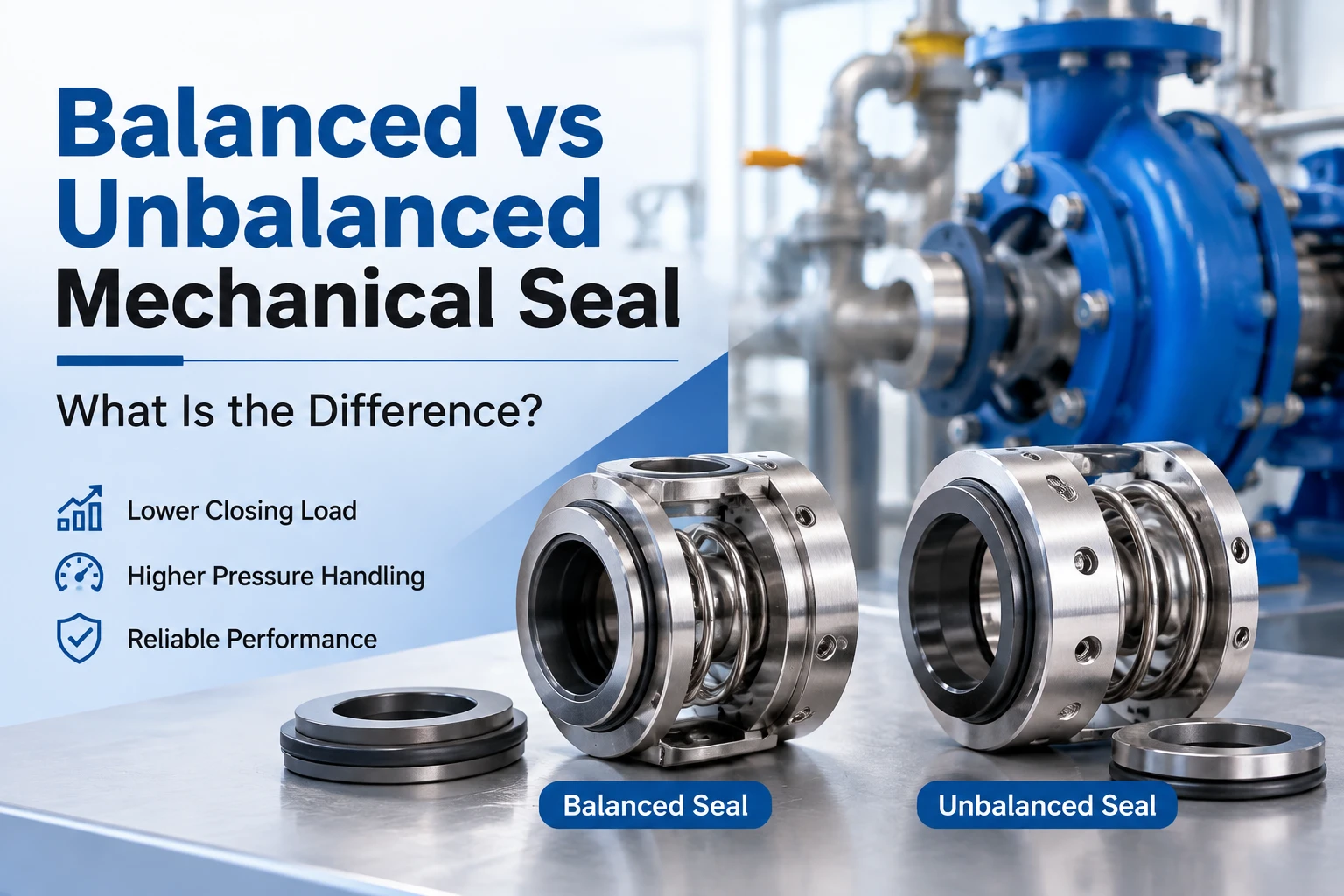
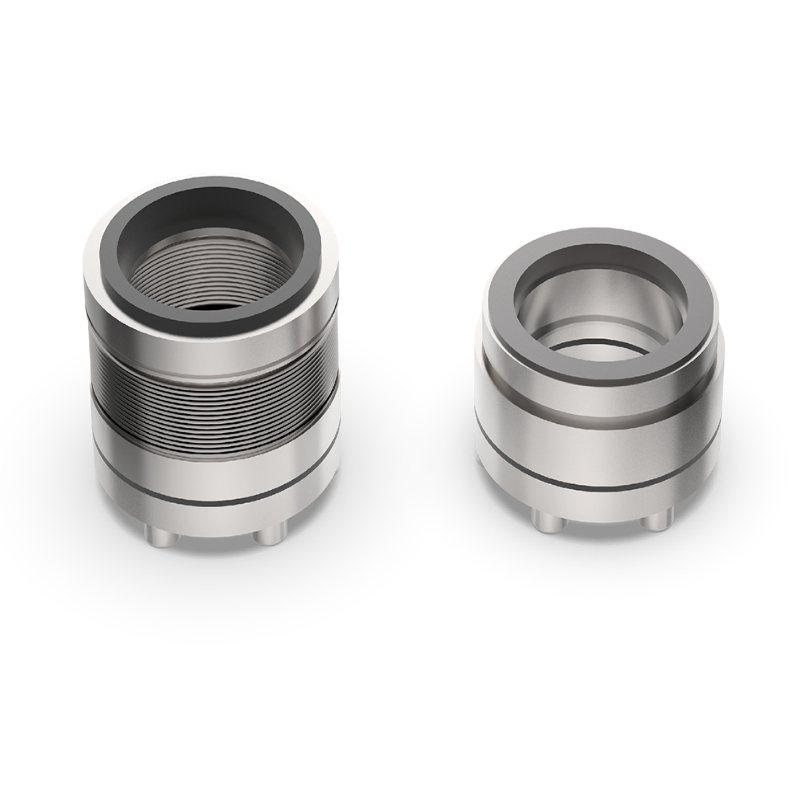
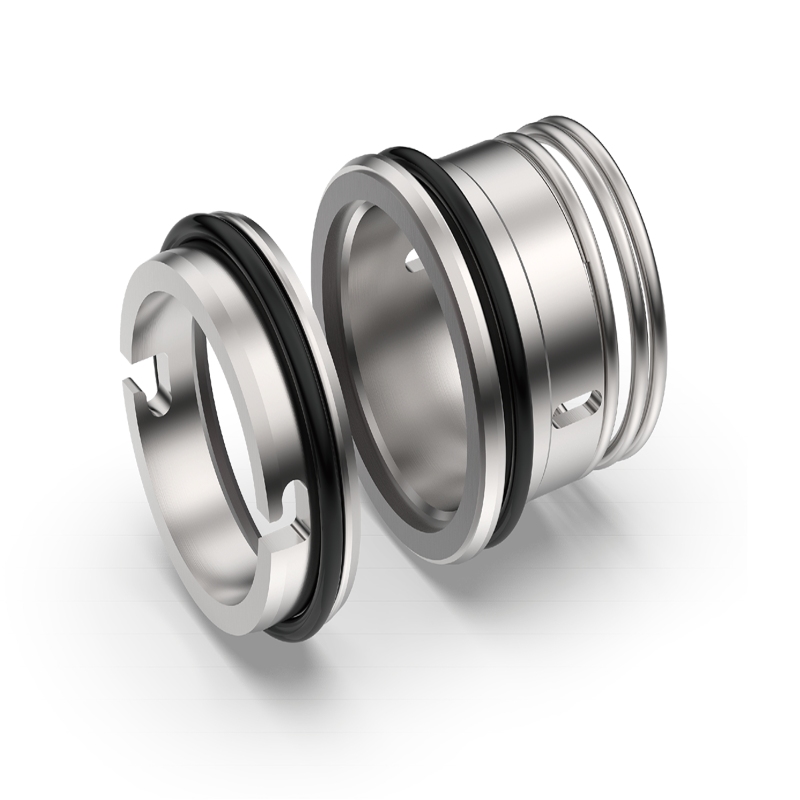
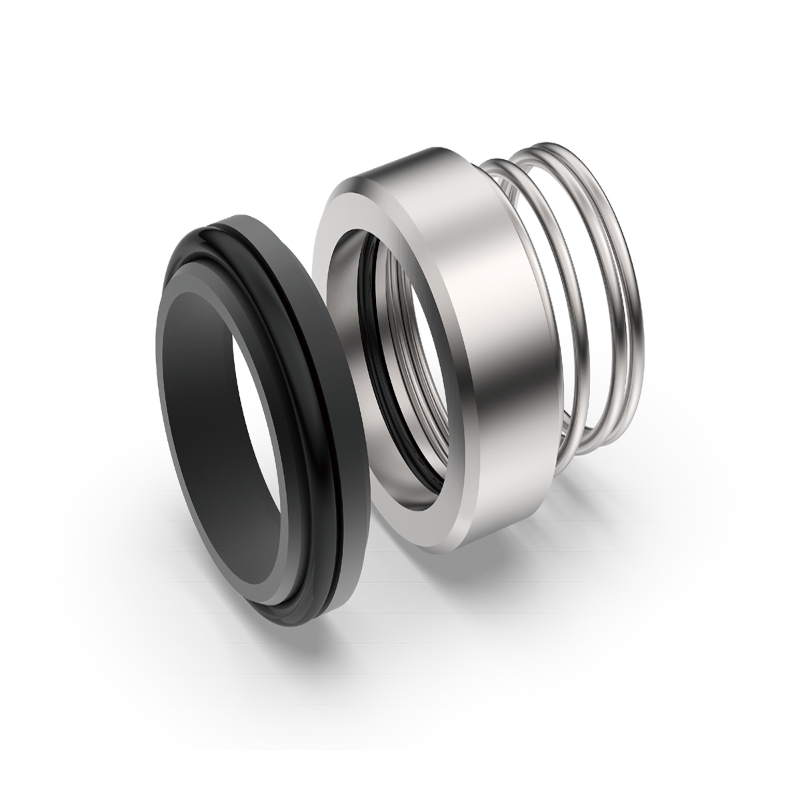
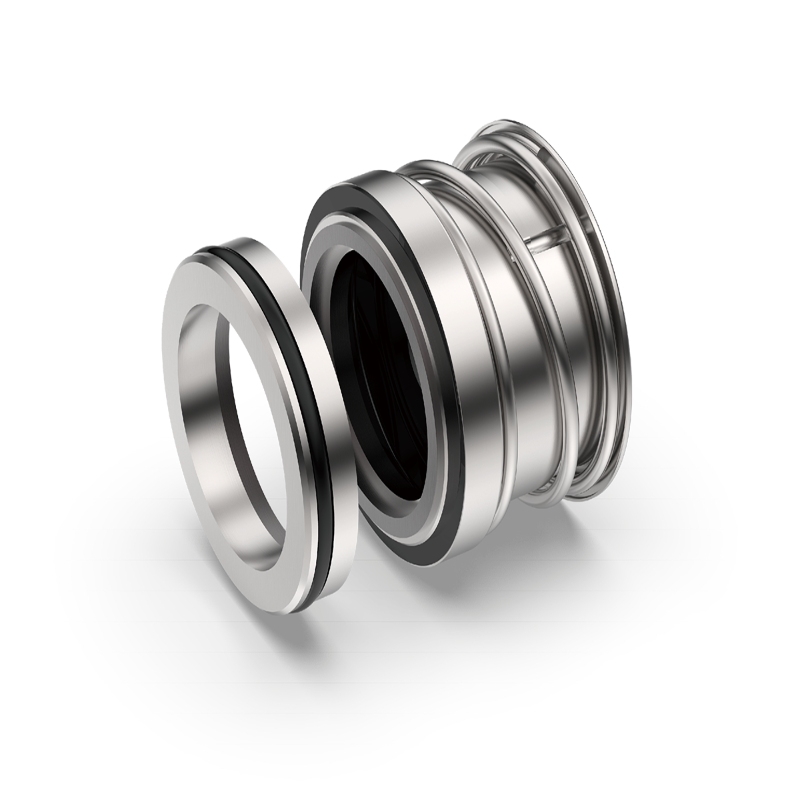
A mechanical seal uses a rotating face and a stationary face pressed together by spring or bellows force. A very thin fluid film between the faces provides lubrication while limiting leakage. Secondary seals, a sleeve, springs or bellows, and the seal chamber geometry all affect the result. If the faces run dry, become misaligned, or are exposed to incompatible particles or chemicals, wear and leakage can accelerate quickly.
This difference explains the practical contrast: packing manages leakage through compression and adjustment, whereas a mechanical seal controls leakage through precision faces, materials, and operating conditions.
The following comparison is a starting point, not a substitute for checking the pump drawing and the seal supplier’s limits.
| Factor | Mechanical seal | Gland packing |
| Leakage | Very low when correctly selected and operated; suitable where product loss or emissions must be controlled. | Controlled leakage is expected and must be monitored. |
| Maintenance | Usually less frequent adjustment, but installation and face condition are critical. | Simple to replace, but regular gland adjustment and sleeve inspection are common. |
| Up-front cost | Often higher because of precision parts and materials. | Often lower for basic services and existing stuffing boxes. |
| Shaft impact | Normally reduces rubbing at the shaft when the sleeve and faces are correct. | Can wear the sleeve if overtightened or run dry. |
| Dirty or abrasive media | Needs suitable face materials, protection, or an auxiliary plan; solids can damage faces. | May tolerate some rough service, but solids and poor lubrication still shorten life. |
| Retrofit | May require chamber, sleeve, flush, or dimensional checks. | Often fits an existing stuffing box with fewer changes. |
Choose a mechanical seal when leakage cannot be routinely accepted or when the pumped fluid is hazardous, expensive, volatile, corrosive, or sensitive to contamination. Chemical transfer, solvent service, pharmaceutical production, food processing, and many water-treatment duties require a more controlled boundary than packing can normally provide. The same logic applies when housekeeping, worker exposure, or environmental controls make a wet packing gland difficult to manage.
Mechanical seals also make sense when the pump runs continuously and repeated adjustment would create too much labor or risk. The benefit is not automatic: the seal faces need the correct lubrication, the shaft and chamber must run within allowable limits, and the material pair must match temperature, pressure, speed, and chemistry. A balanced or double arrangement may be appropriate for higher pressure or hazardous duties, but that decision requires an application review.
Packing may be reasonable for open or non-hazardous water service, older pumps with a suitable stuffing box, and applications where a small, visible leakage rate is acceptable. It can be attractive when the maintenance team is equipped to make routine adjustments, replacement material is readily available, and the pump is not sensitive to sleeve wear or contamination.
Packing should not be treated as maintenance-free. The gland must be tightened evenly, the shaft sleeve must be inspected, and leakage must be kept within the operating limit set by the equipment owner. If operators keep tightening the gland to stop leakage, friction and heat can rise, accelerating sleeve damage and packing failure.
Before changing a pump from packing to a mechanical seal, or choosing either method for a new duty, collect the following information:

For a retrofit, confirm that the mechanical seal can be installed without damaging the shaft or changing the pump’s hydraulic arrangement. Measure rather than estimate: face-to-shoulder distance, shaft diameter, chamber depth, gland-bolt pattern, and sleeve wear can determine whether a cartridge or component seal is suitable. If the pump has vibration, excessive runout, or a damaged chamber, correcting the mechanical condition may be more important than changing the sealing technology.
The seal type alone does not determine performance. Face materials such as carbon, silicon carbide, or tungsten carbide are selected according to lubrication, abrasion, corrosion, and temperature. Secondary seals may use elastomers or engineered materials whose limits differ from the faces. For example, a material that handles a chemical well at room temperature may not remain compatible at elevated temperature.
Auxiliary systems can be decisive. Cooling can remove heat; a clean flush can keep particles away from the faces; a barrier or buffer system can separate hazardous process fluid from the atmosphere. These systems add hardware and commissioning requirements, so they should be included in the lifecycle decision rather than treated as optional accessories.
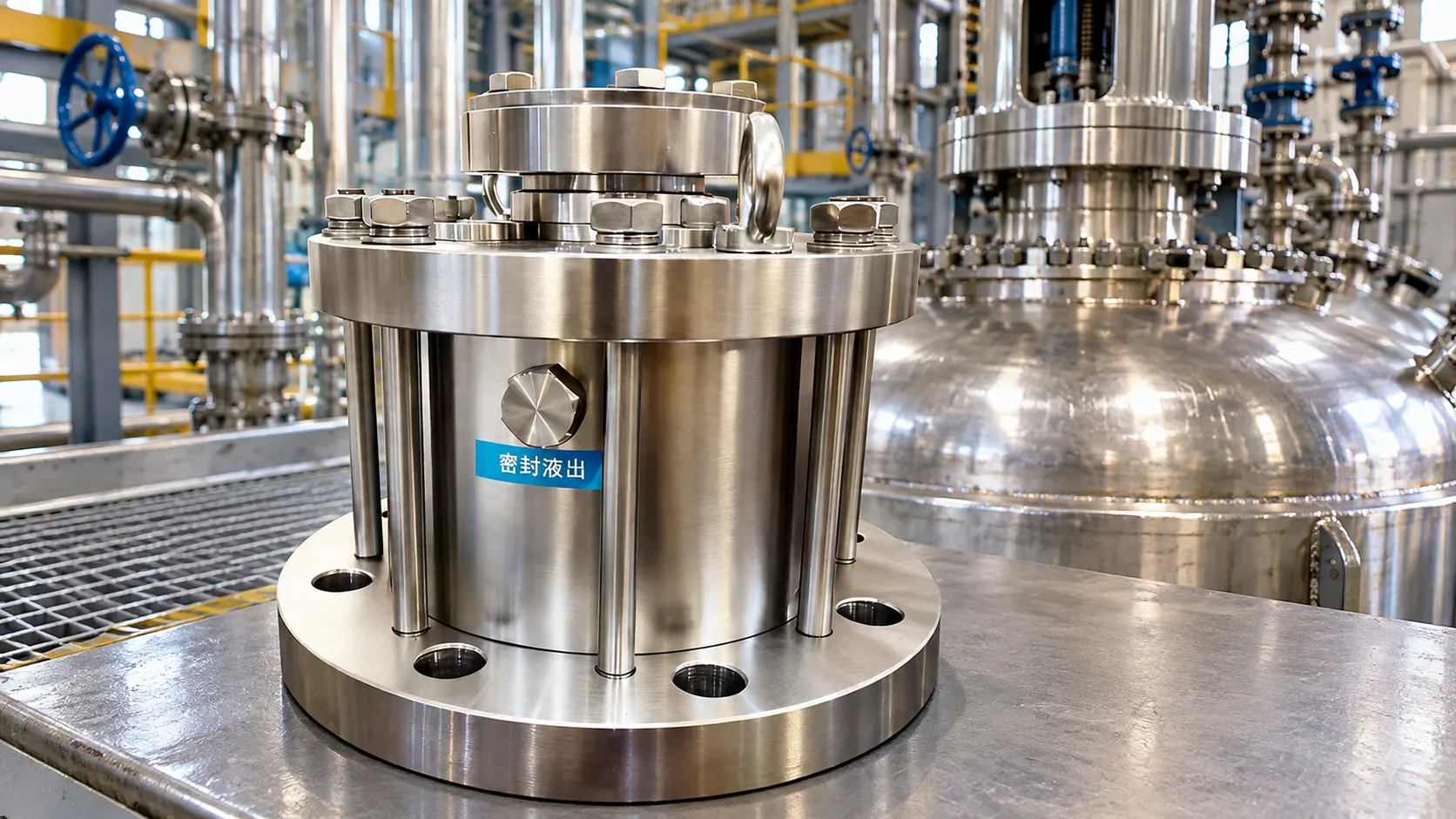
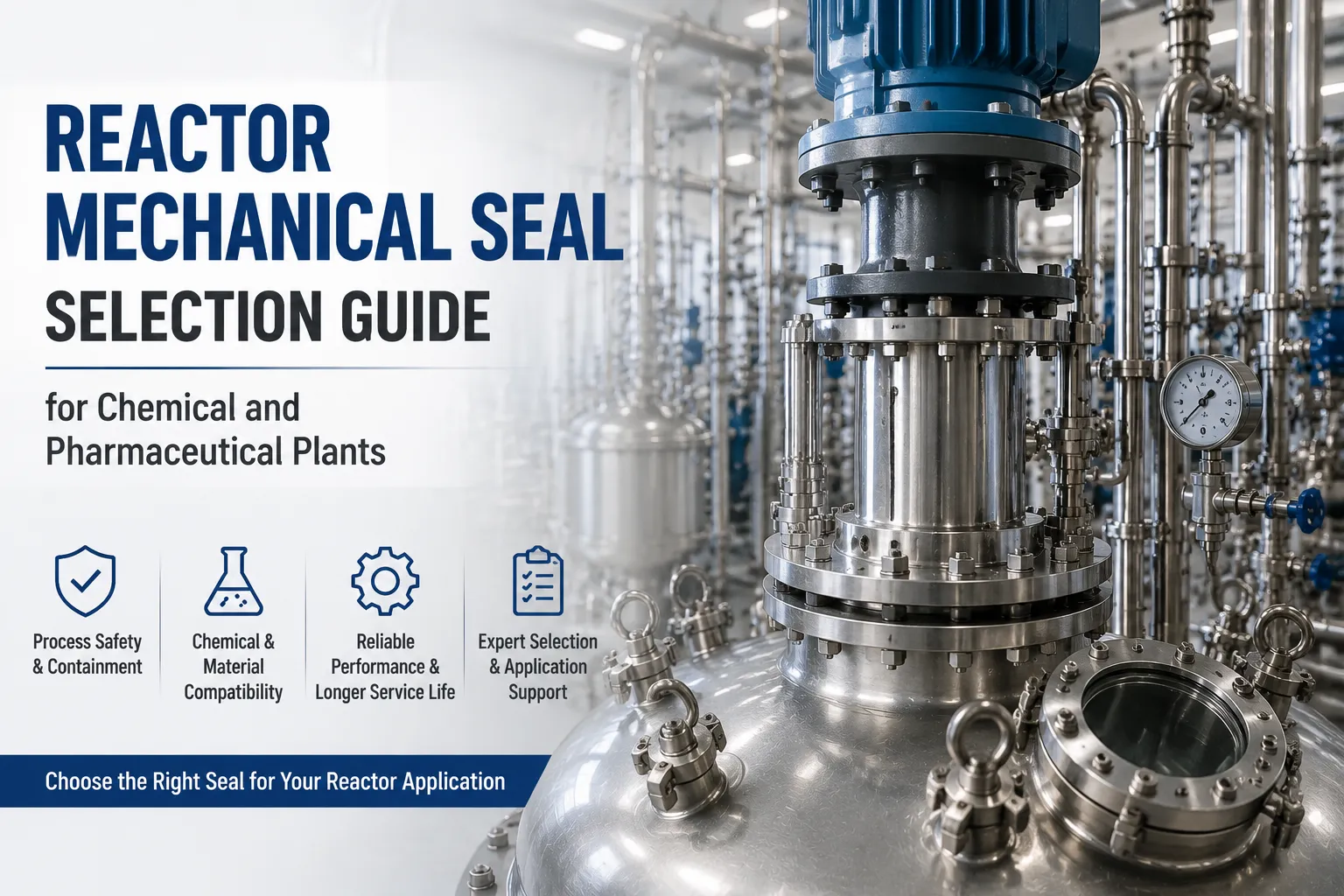
Xinyoumi develops pump mechanical seals, reactor mechanical seals, and sealing auxiliary systems for chemical, pharmaceutical, food, petrochemical, water-treatment, and new-energy applications. Its public product information includes the XYM M20 mechanical seal, with stated operating ranges and material codes that must still be checked against the actual pump duty. The company’s modular approach can be useful when replacement parts, dimensional interchangeability, or a compact retrofit are priorities, but final selection remains application-specific.
For broader equipment information, review the pump-seal product range and the one-stop service system. A supplier should be able to explain the proposed face pair, secondary seals, installation dimensions, auxiliary plan, and limits—not only provide a part number.
Mechanical seals are usually preferable when leakage control, hazardous-fluid containment, cleanliness, or reduced routine adjustment is central to the operating objective. Gland packing remains useful for suitable low-risk services where controlled leakage and frequent maintenance are acceptable. The better choice is the one that matches the pump’s fluid, pressure, temperature, speed, shaft condition, maintenance capability, and total cost of ownership. Treat the decision as an engineering fit-check, not a universal ranking.
No. A correctly operating seal is designed for very low leakage, but face condition, installation, material compatibility, vaporization, misalignment, and dry running can all cause failure.
Often, but not automatically. The pump must have suitable dimensions, shaft condition, chamber geometry, and any required flush or cooling provisions. Measurements and a drawing review are essential.
Packing often has a lower initial cost, while a mechanical seal may reduce leakage-related labor, cleanup, and product loss. Compare the full lifecycle cost for the specific duty.
Common causes include wrong materials, contaminated or insufficient lubrication, dry running, shaft runout, vibration, incorrect compression, damaged faces, and unsuitable auxiliary conditions.
To request an application fit-check, use the Xinyoumi technical contact form and provide the pump model, shaft and chamber dimensions, fluid, pressure, temperature, speed, solids content, installation drawing, quantity, and any leakage or failure photos.