Nullam dignissim, ante scelerisque the is euismod fermentum odio sem semper the is erat, a feugiat leo urna eget eros. Duis Aenean a imperdiet risus.
Nullam dignissim, ante scelerisque the is euismod fermentum odio sem semper the is erat, a feugiat leo urna eget eros. Duis Aenean a imperdiet risus.
 author
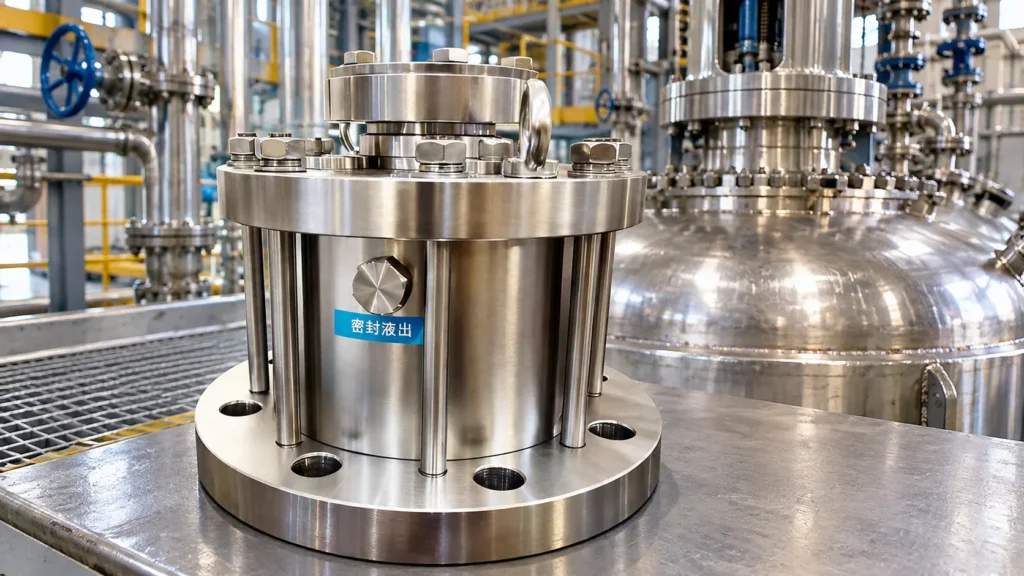
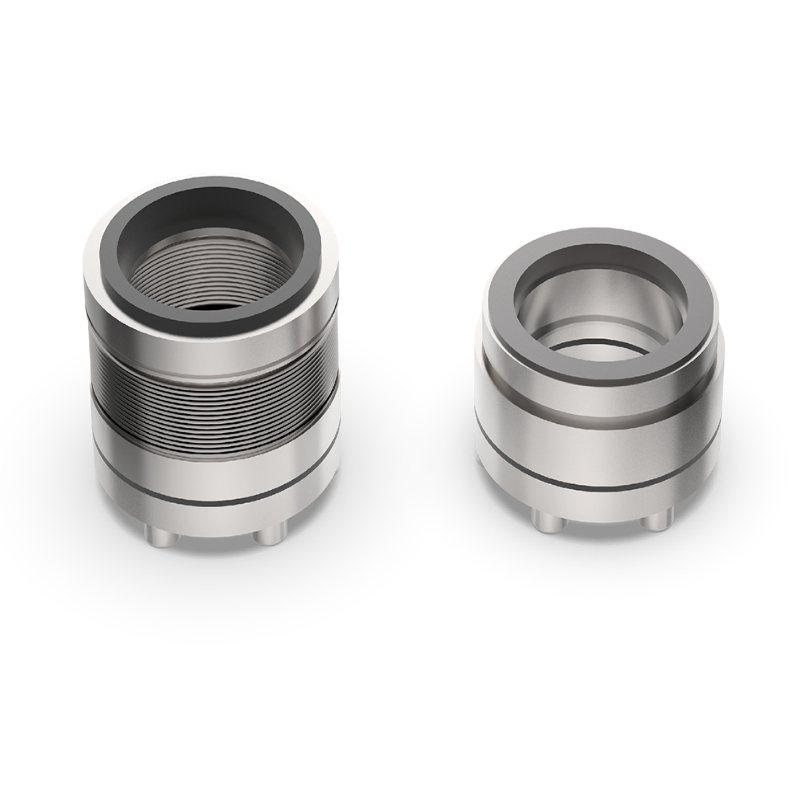
A metal bellows mechanical seal is a non-pusher sealing arrangement in which a welded or formed metal bellows supplies axial flexibility and maintains contact between the rotating and stationary seal faces. Its strongest use cases are services where temperature, chemical compatibility, or deposits make a sliding secondary seal unreliable. It can simplify the dynamic sealing path and tolerate controlled axial movement, but it is not automatically the right choice for every pressure, speed, solids level, or shaft condition. Selection must match the complete seal design to the actual process.
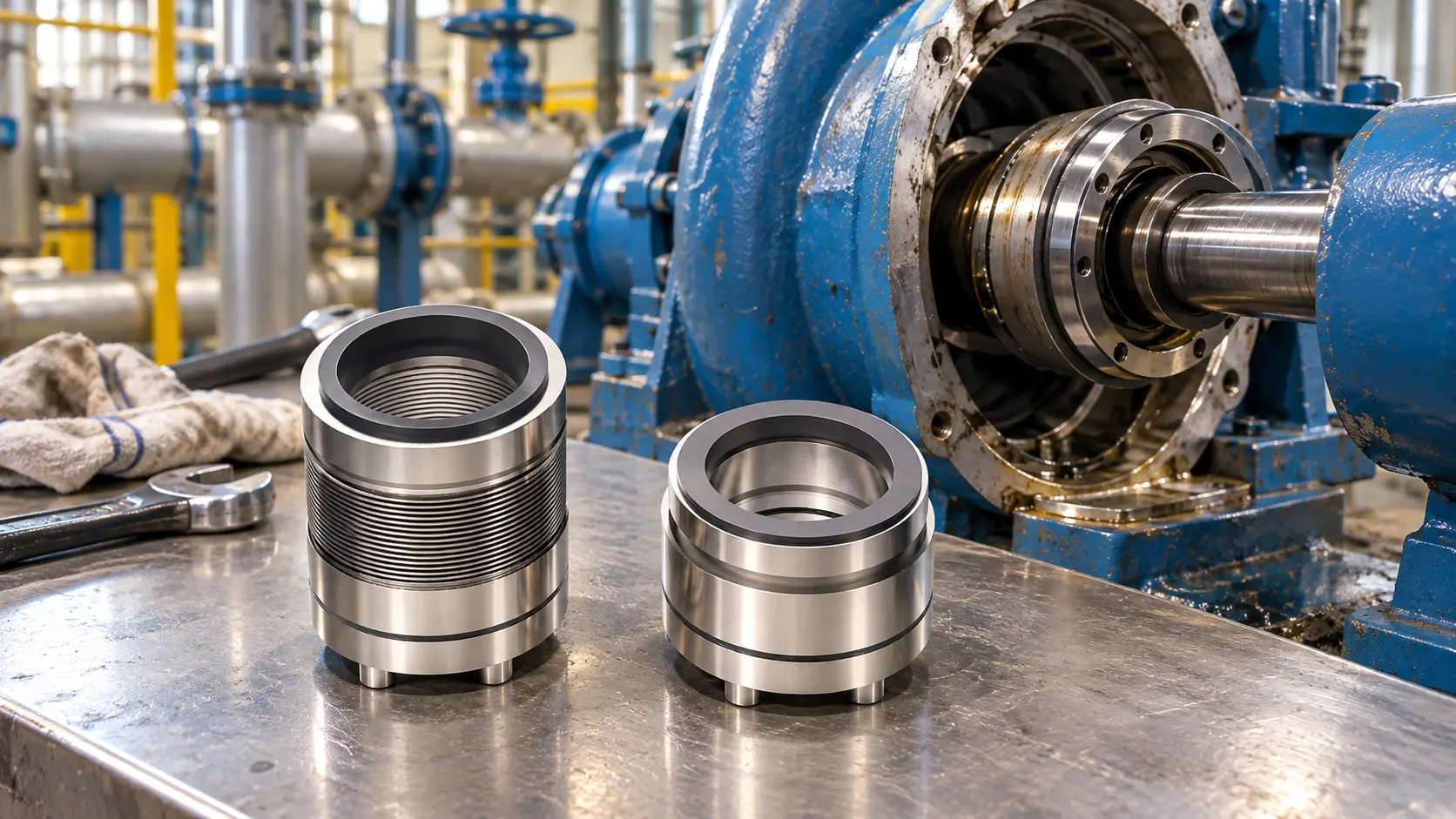
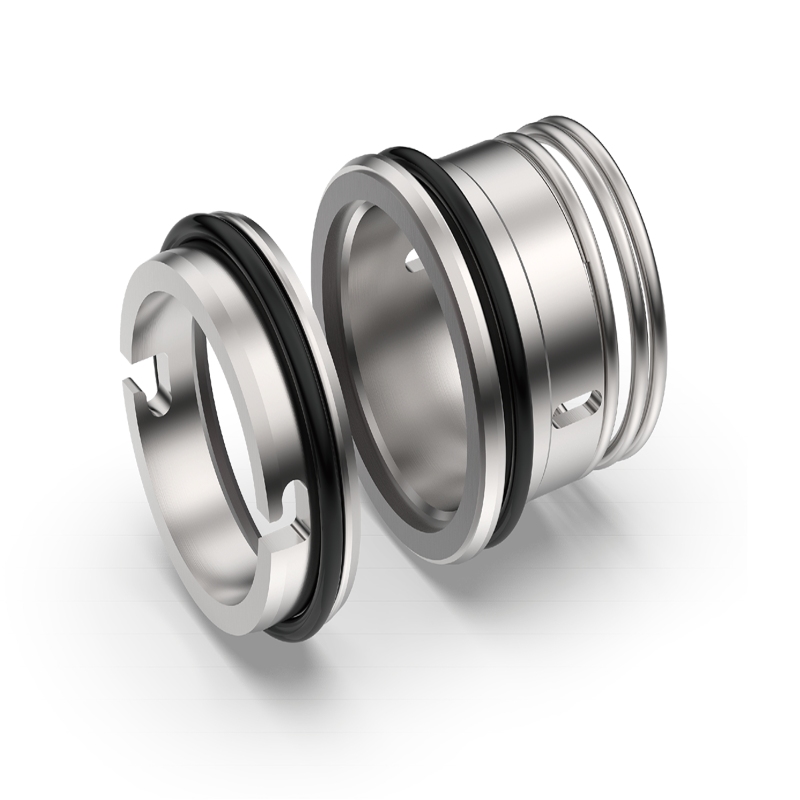
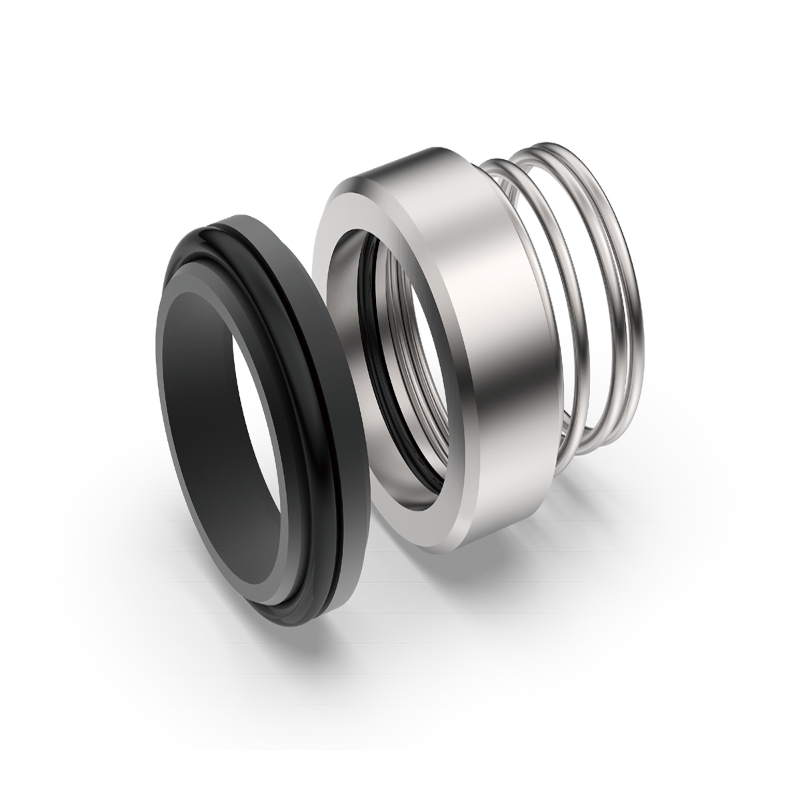
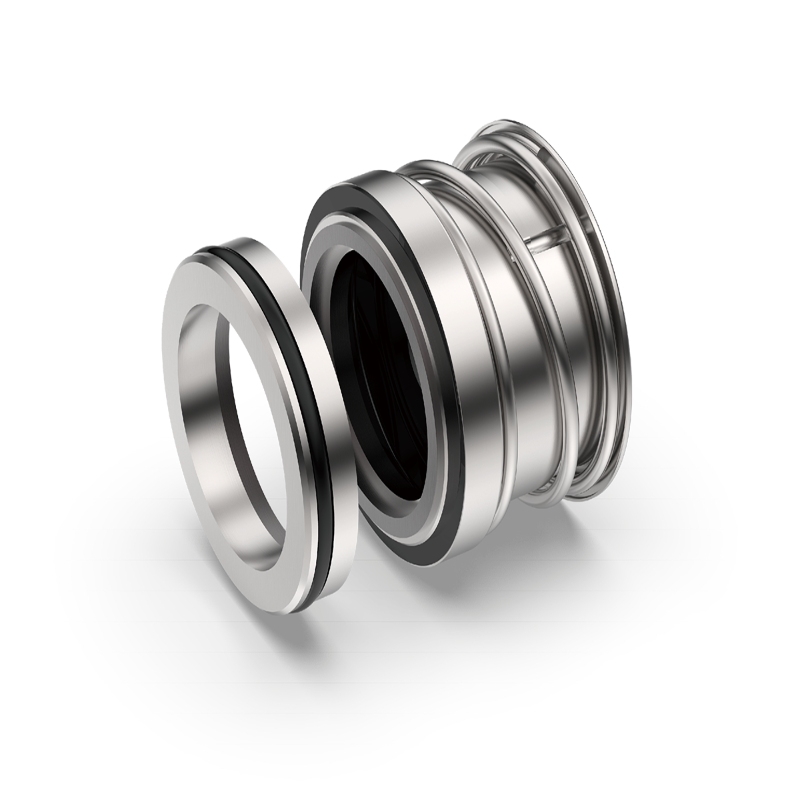
In a conventional pusher seal, a secondary sealing element slides along the shaft or sleeve as the primary faces wear and move. A metal bellows seal uses the elastic movement of its convolutions to provide that compensation. The bellows may also transmit torque, depending on the design, while the lapped primary faces control leakage across the rotating interface.
Because the secondary seal does not have to slide dynamically on the shaft, there is less opportunity for hang-up caused by corrosion, fretting, crystallized product, or an elastomer that has hardened at temperature. This non-pusher behavior is the central design advantage. It does not remove every secondary seal from the assembly, and it does not make material compatibility optional: static gaskets, face materials, bellows alloy, welds, hardware, and any auxiliary system still have to suit the fluid and operating envelope.
Hot-oil pumps, heat-transfer systems, thermal cycling duties, and some low-temperature services can expose elastomers to hardening, shrinkage, swelling, or loss of strength. A correctly selected bellows alloy and static-seal arrangement can extend the usable temperature envelope. The allowable limit is always model-specific; it also depends on face materials, cooling, pressure, speed, and whether flexible graphite or another static sealing material is used.
Chemical-process pumps and reactors may benefit when an aggressive fluid attacks a dynamic O-ring or deposits would restrict its movement. Alloy selection must be based on the actual concentration, temperature, contaminants, and cleaning chemistry. Corrosion resistance of the bellows is only one part of the decision; the seal faces, static gaskets, sleeve, gland, and flush or barrier system require the same review.
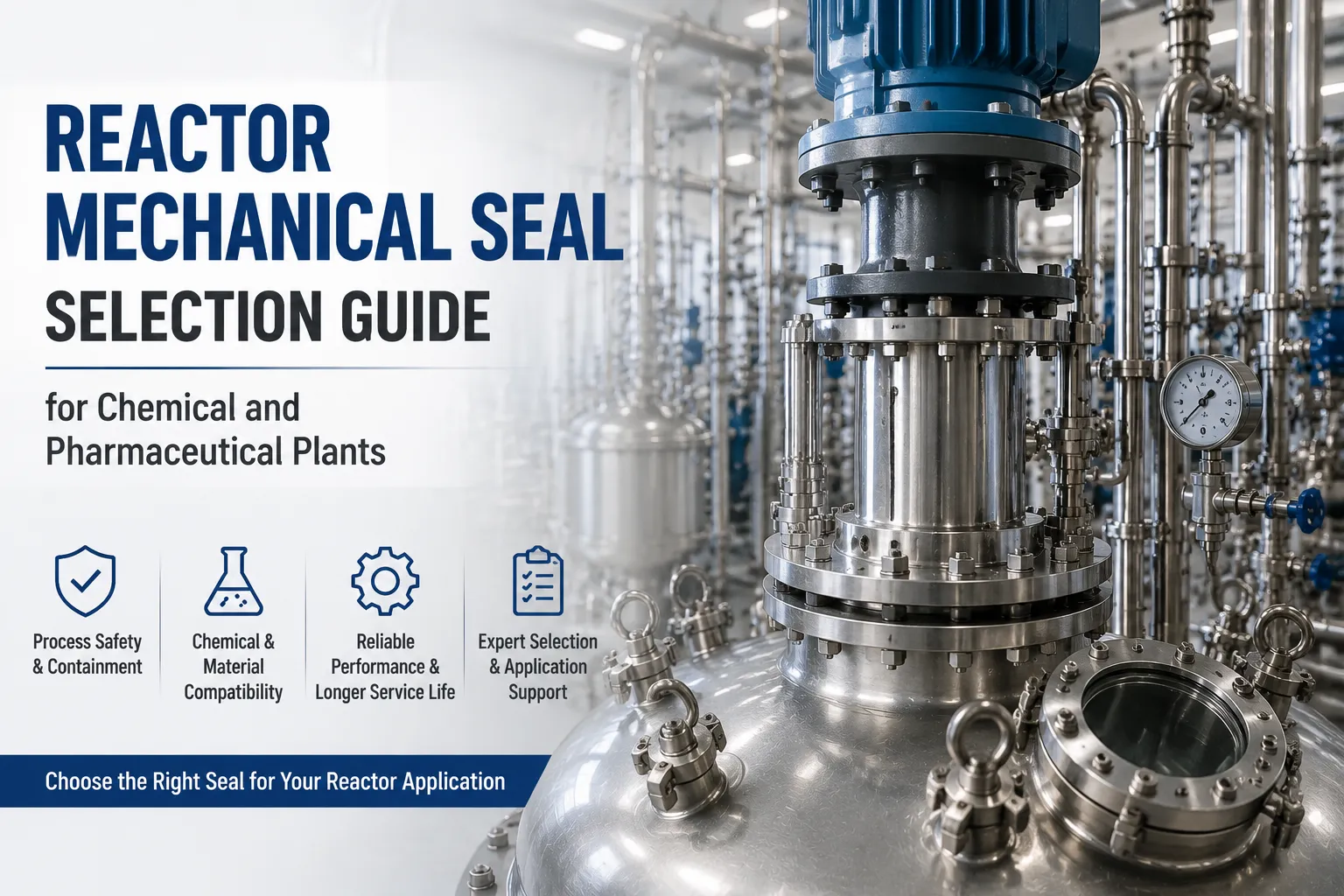
Slow-speed reactor and mixer applications create a different duty from high-speed pumps. XYM’s 2022U/2023U reactor seal is intended for steel reactors in high- and low-temperature service. Its published design envelope is -0.1 to 1.6 MPa, -180 to 600 degrees C, and less than 2 m/s. The page also specifies an auxiliary system above 0.5 MPa and lists chemical reaction kettles, pharmaceutical agitators, and food mixing tanks as application areas. These values belong to that product family and should not be generalized to every metal bellows seal.

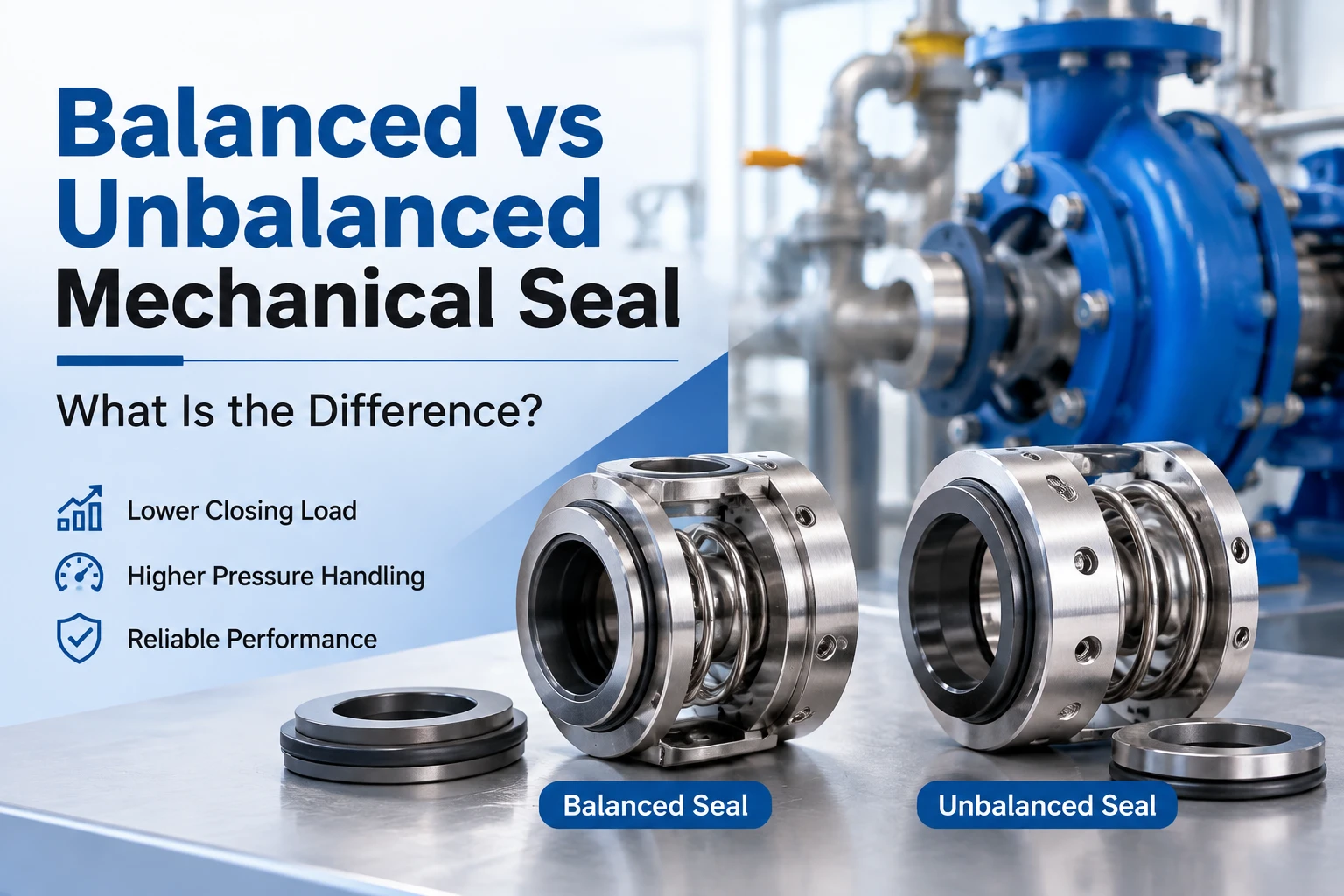
These benefits depend on geometry and operating conditions. Some metal bellows designs are balanced and others are unbalanced; that distinction changes hydraulic face loading, heat generation, and pressure capability. Engineers comparing the options should review balanced and unbalanced mechanical seal designs before treating the bellows itself as a performance rating.
Repeated cycling creates alternating stress in the convolutions and, for welded units, at the welds. Excessive axial travel, vibration, pressure cycling, misalignment, or operation outside the designed compression range can shorten fatigue life. Manufacturing quality and correct installed length therefore matter as much as alloy name.
A flexible bellows is not a universal high-pressure solution. Pressure can change face loading and impose column or squirm loads on the bellows; speed raises heat and dynamic stress. A seal rated for a slow reactor cannot be assumed suitable for a fast pump, and a pump seal cannot be transferred to a reactor merely because both use metal bellows. The balance ratio, face diameter, support arrangement, rotation mode, and auxiliary plan must be checked together.
Bellows can avoid a sliding O-ring that might stick, but solids may still pack between convolutions, abrade the faces, or block circulation. Hot hydrocarbons may coke if temperature and flushing are poorly controlled. Dirty service may require a protected bellows, stationary arrangement, clean flush, quench, filtration, or a different seal technology. The correct response depends on particle size, hardness, concentration, and where deposits form.
Special alloys and precision bellows manufacturing can increase acquisition cost. Thin convolutions and lapped faces also require careful transport, installation, and inspection. A damaged bellows should not be stretched, compressed, or field-straightened to restore length. Repairability and spare-part strategy should be discussed before purchase, especially for critical equipment.
Use the operating envelope as a system-level checklist rather than selecting from temperature alone:
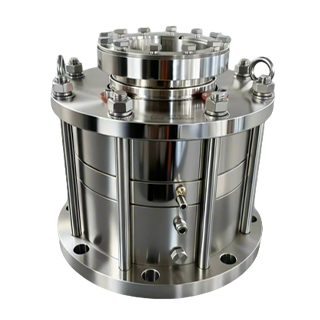
For pump duties, the XYM X600U metal bellows seal provides a concrete example of why model-specific verification is essential. XYM identifies it as an unbalanced, single-end design and publishes material choices and an operating envelope for temperature, pressure, surface speed, and shaft diameter. Final suitability still depends on the selected materials and the application’s combined conditions, not on any single maximum value.
Metal bellows mechanical seals are valuable when temperature, chemical attack, or deposits make dynamic secondary-seal movement unreliable. Their non-pusher compensation, alloy flexibility, and compact architecture can solve difficult pump and reactor duties. The same design introduces fatigue, weld-quality, solids-management, pressure, speed, and handling constraints. A successful selection matches the entire assembly and support system to the real duty cycle instead of treating the bellows as a universal upgrade.
To evaluate an XYM configuration, request an application fit check with the equipment type, fluid and concentration, normal and upset pressure and temperature, shaft dimensions and speed, movement or runout data, materials, auxiliary-plan requirements, drawing, and quantity.
No. It is often preferable when dynamic O-ring hang-up, temperature, or chemical compatibility is the main problem. A pusher seal may be simpler or more economical in clean, moderate service. Compare the complete duty, not one feature.
Only when the complete seal is designed and specified for dry running. Bellows construction alone does not make the faces tolerant of lost lubrication. Face materials, loading, speed, heat removal, and duration must be verified.
Sometimes, but deposits can pack the convolutions or damage the faces. Particle properties and deposit location determine whether protection, flushing, filtration, a stationary bellows, or another seal type is appropriate.
Provide fluid composition, solids, pressure and temperature ranges, shaft diameter and speed, equipment drawing, chamber dimensions, axial movement, runout, materials, auxiliary system, leakage constraints, and quantity.