Nullam dignissim, ante scelerisque the is euismod fermentum odio sem semper the is erat, a feugiat leo urna eget eros. Duis Aenean a imperdiet risus.
Nullam dignissim, ante scelerisque the is euismod fermentum odio sem semper the is erat, a feugiat leo urna eget eros. Duis Aenean a imperdiet risus.
 author
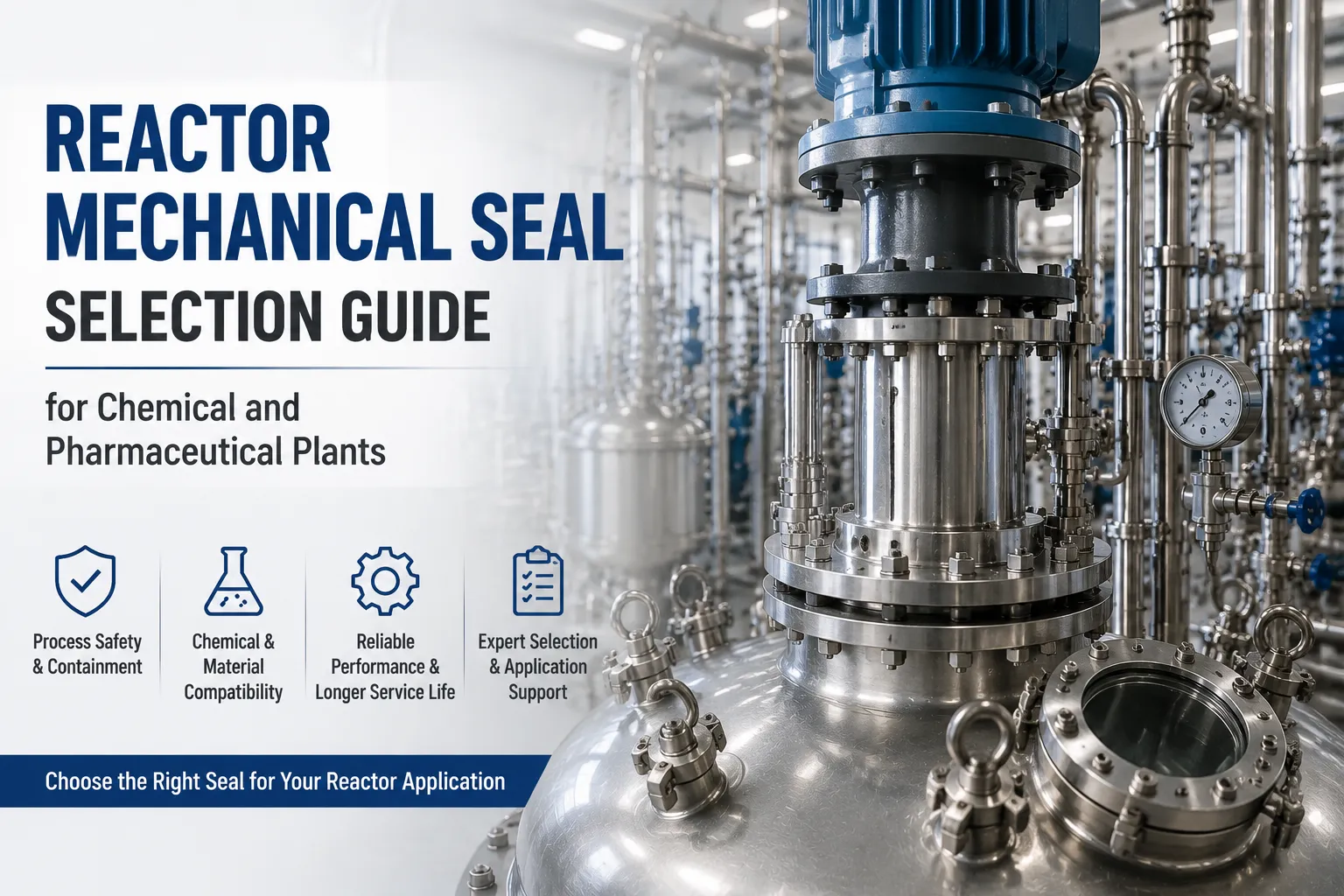
Selecting a reactor mechanical seal is a process-safety and product-quality decision, not a simple replacement exercise. The correct choice depends on reactor construction, agitator geometry, process chemistry, pressure and temperature, shaft movement, contamination risk, and the auxiliary system that keeps the seal faces stable. This guide explains how chemical and pharmaceutical plants can define those inputs, choose a seal arrangement, and prepare a supplier-ready specification.
For a practical starting point, review Xinyoumi’s reactor mechanical seal range and use the decision steps below to narrow the configuration before requesting a quotation.
A reactor seal closes the rotating shaft where it passes through the vessel boundary while allowing mixing, heating, cooling, vacuum, or pressure operation. Unlike many pump duties, a reactor seal may see reversing rotation, axial movement, shaft runout, batch temperature changes, solids, crystallization, and long stationary periods. A design that works on a clean centrifugal pump can fail quickly on an agitator.
The seal must control leakage without introducing particles or lubricant into the batch. It must also tolerate the vessel nozzle, flange, shaft sleeve, and drive arrangement actually installed. Treat the seal as part of the agitator system: shaft alignment, bearing condition, coupling setup, and support piping all influence face loading and service life.
Collect the following information before comparing models. A supplier can only validate a seal when the mechanical and process boundary conditions are known.
For glass-lined equipment, verify the lining, drive-side dimensions, and flange standard together. A glass-lined reactor mechanical seal may share a modular platform with other reactor constructions, but the wetted materials, mounting dimensions, and pressure support still require application-specific confirmation.
Material compatibility starts with the complete chemical environment, not a single fluid name. Review the process medium, concentration, temperature, cleaning agents, sterilants, and any solids that can abrade or deposit on the faces. Secondary seals may require elastomers such as FKM, EPDM, PTFE, or perfluoroelastomer, while seal faces may use graphite, silicon carbide, or tungsten carbide combinations. The appropriate pairing depends on chemistry, lubrication, heat removal, and load.
Ask for a compatibility review when the batch contains strong acids or alkalis, solvents, chlorides, oxidizers, crystals, or abrasive powders. Also identify whether the process can polymerize or flash at the seal. A conservative selection may use a corrosion-resistant metal package, a hard face combination, or a protected auxiliary circuit, but the final materials should be verified against the exact concentration and temperature profile.
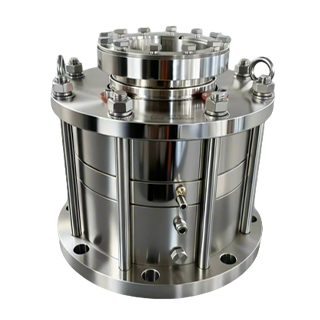
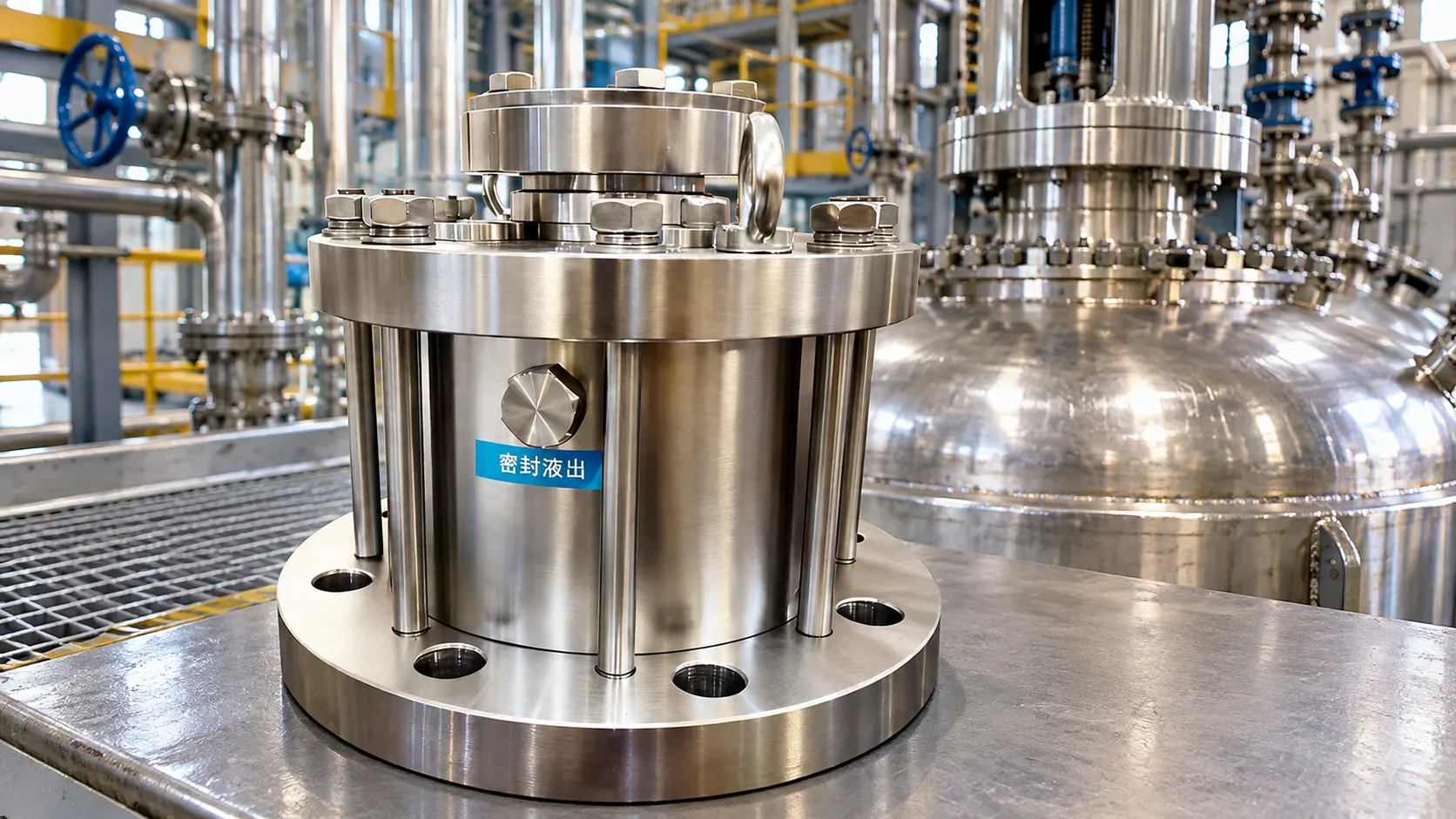
A single seal can suit contained, lower-risk service when a controlled leakage path is acceptable and the process does not demand an isolation barrier. A double mechanical seal adds an inner and outer sealing interface with a barrier or buffer fluid. It is commonly considered for toxic, volatile, oxygen-sensitive, or contamination-sensitive batches, and when the plant needs improved leakage monitoring.
Do not choose a double arrangement solely because it sounds safer. The barrier fluid, pressure relationship, instrumentation, heat removal, and maintenance procedure must be designed as a system. If the barrier fluid can contaminate the product, specify an appropriate fluid and monitoring strategy before approving the seal.
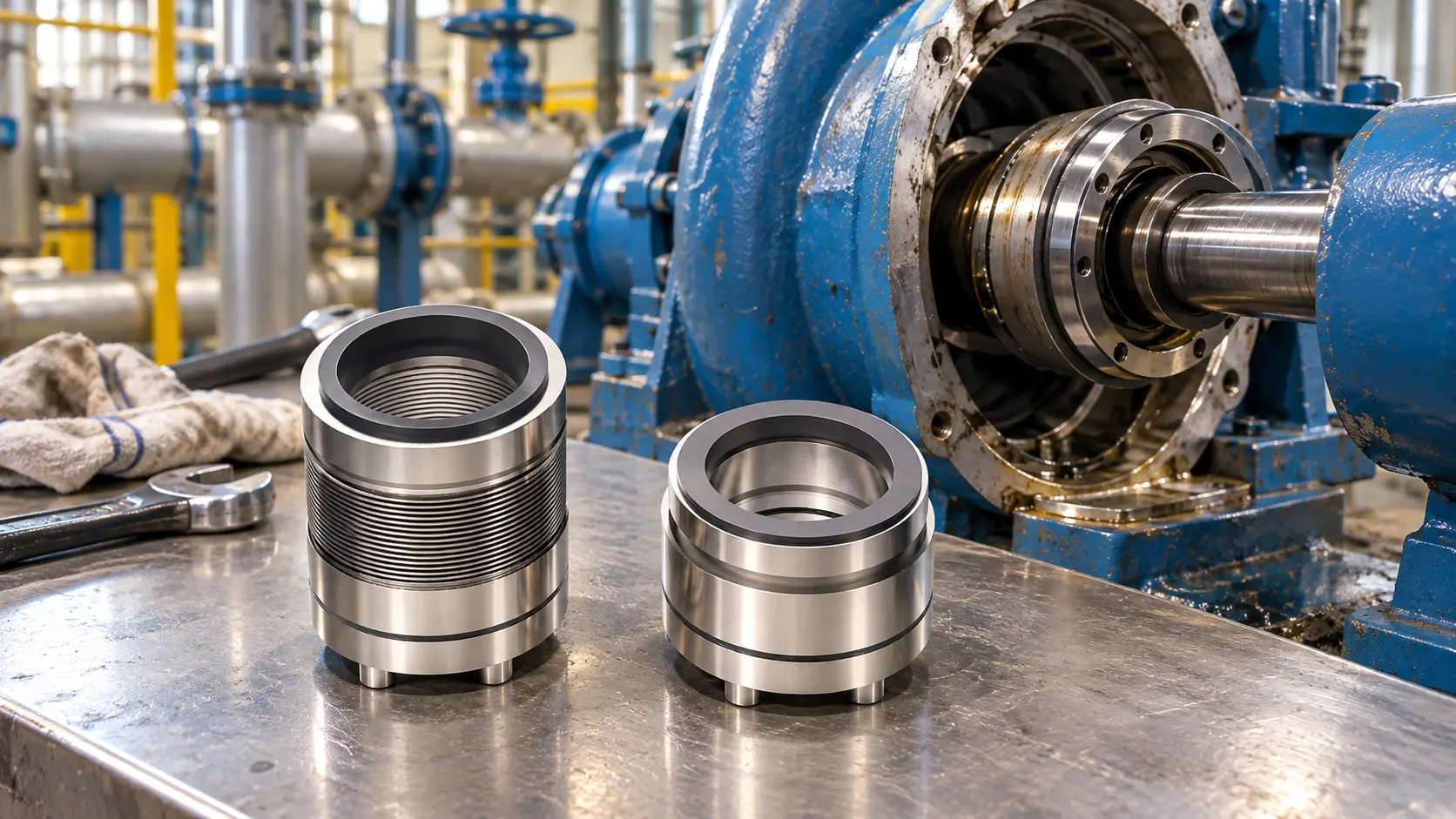
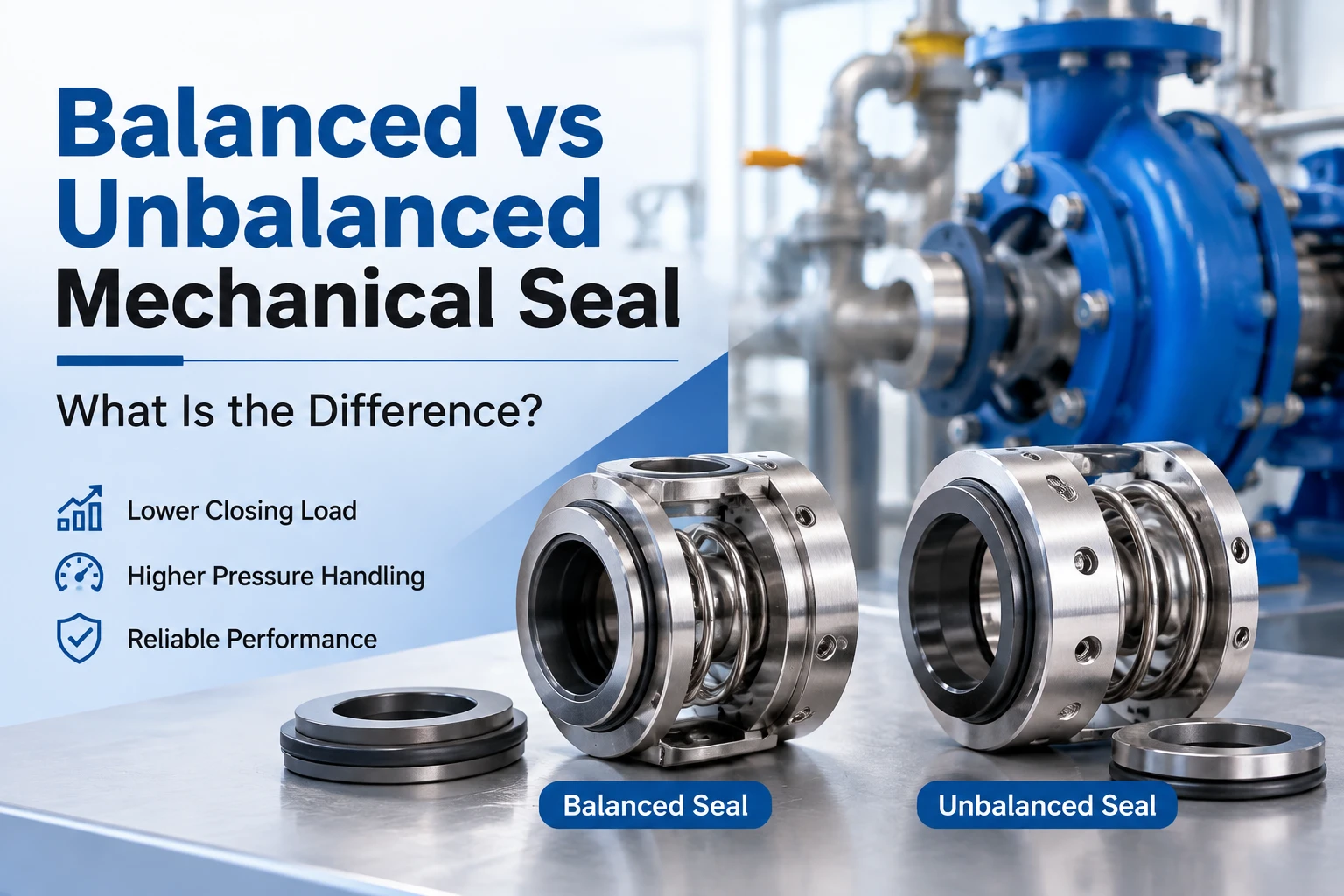
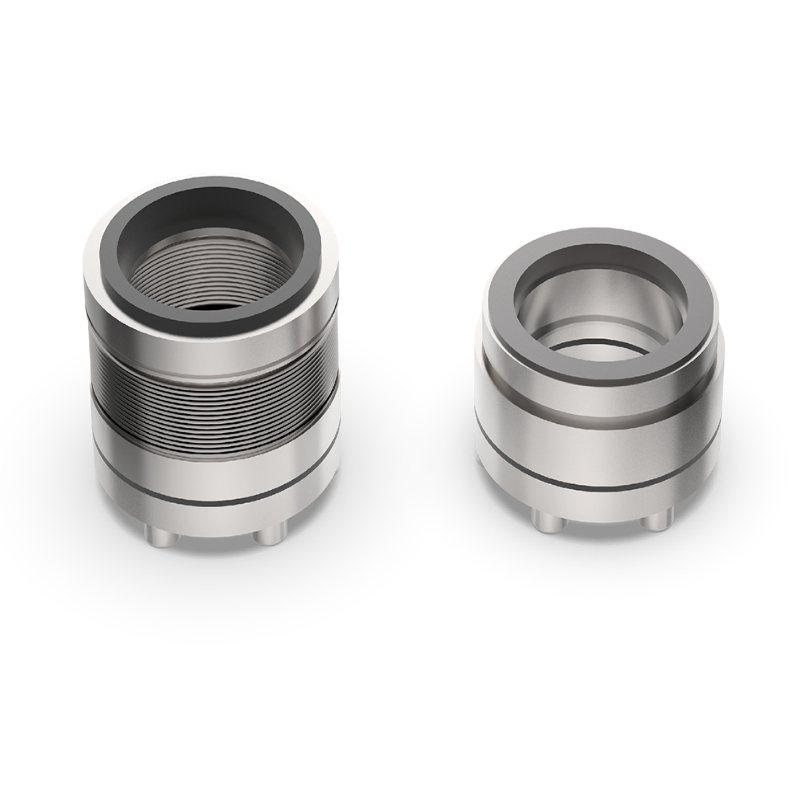
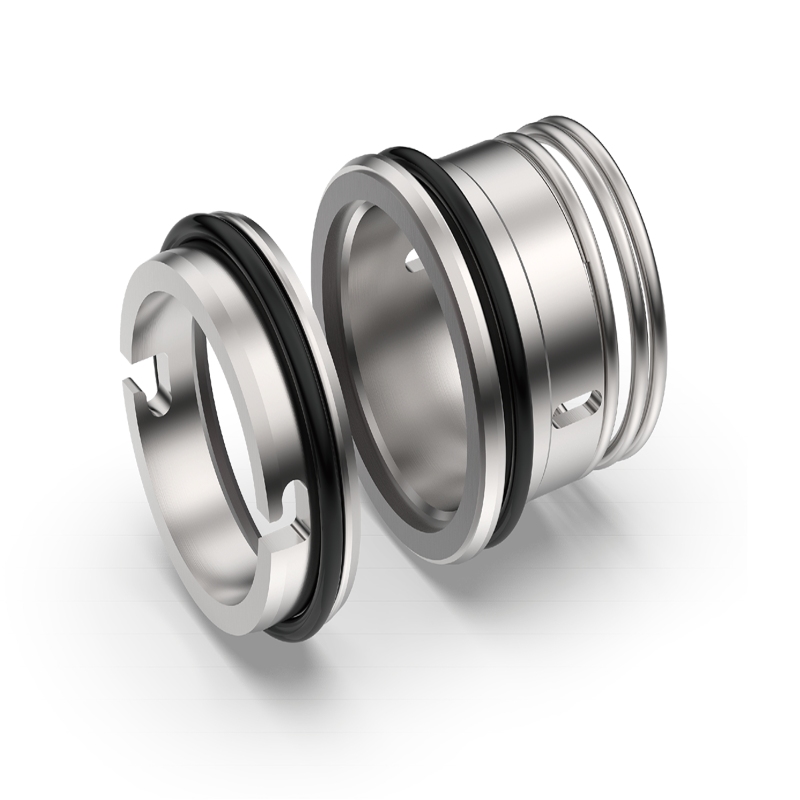
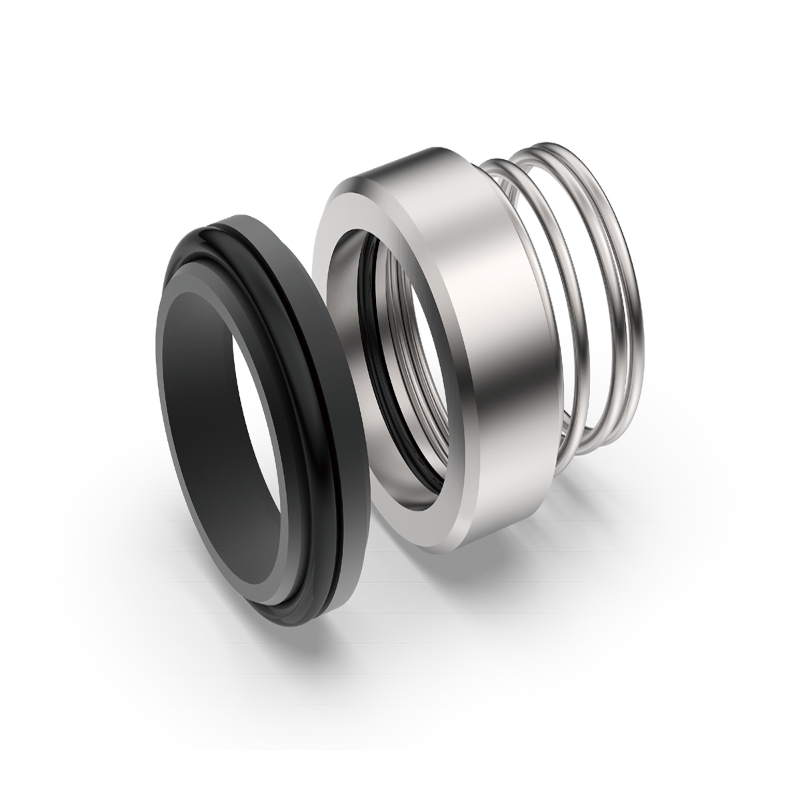
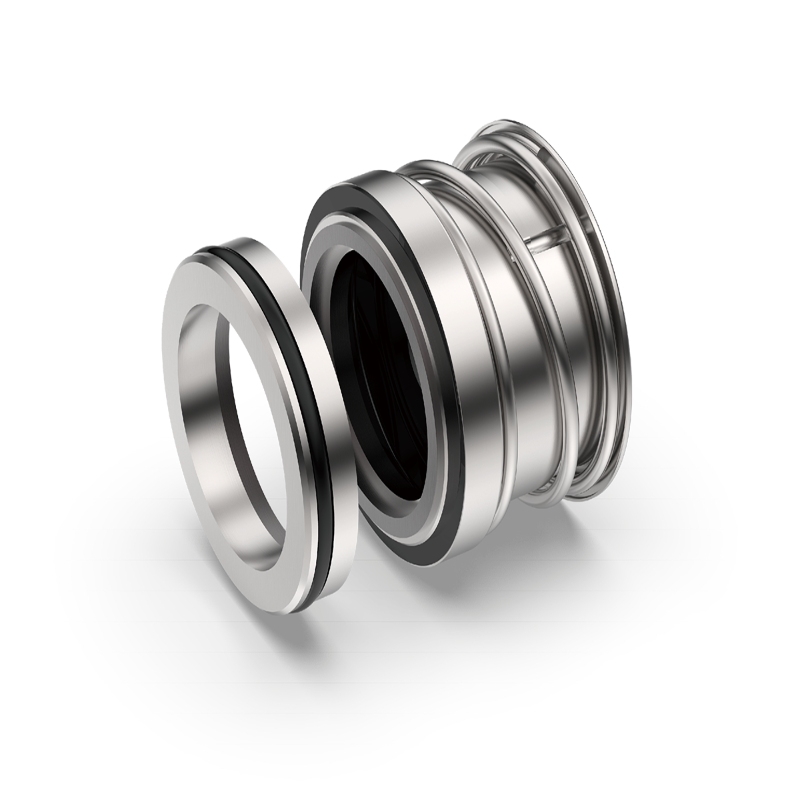
Wet-running seals use a compatible liquid to lubricate and cool the faces. Dry-running designs are intended for applications where an external liquid is undesirable, but they still have defined limits and may require a run-in procedure. Balanced designs reduce hydraulic closing force at higher pressure; unbalanced designs may be adequate at lower loads. Metal bellows, split cartridges, floating-ring elements, sliding-bearing sleeves, or leak-detection features can be relevant when shaft movement, installation access, particles, or monitoring needs exceed a standard arrangement.
Use the phrase “reactor mechanical seal types” as a checklist, not as a shortcut. The correct type follows from the vessel, shaft, chemistry, and support plan. Confirm whether the selected family can accommodate the required rotation, axial displacement, pressure, temperature, and cleaning cycle.
Chemical reactors often combine corrosive media with high temperature, pressure changes, solids, or crystallization. The selection process should therefore prioritize containment, face cooling, corrosion resistance, and maintainability. On a chemical duty, define the maximum credible pressure and temperature rather than only normal operating values. Include start-up, shutdown, flushing, and upset conditions.
For chemical applications, see Xinyoumi’s chemical-industry sealing solutions for the type of application context to discuss with a technical team.
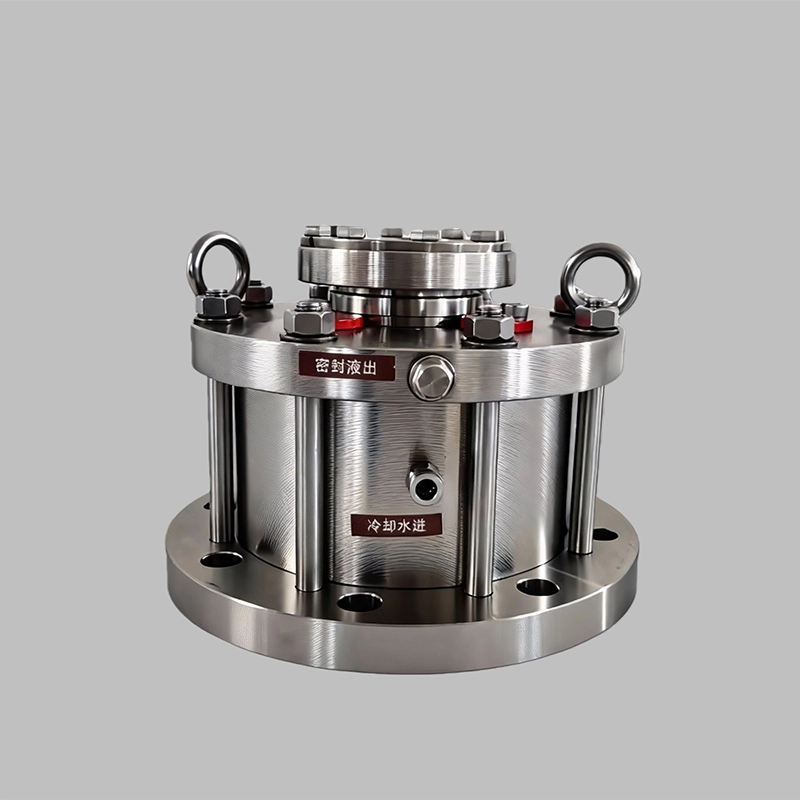
Pharmaceutical reactors add contamination control, cleanability, sterilization, and traceability to the containment problem. Start by defining the cleaning-in-place and sterilization-in-place cycles, detergent or solvent exposure, temperature ramps, and whether the seal-liquid circuit can contact the product. Avoid dead legs and inaccessible pockets in the supporting arrangement, and specify how any leakage or wear debris will be detected and collected.
The relevant pharmaceutical and food industry application page can help frame that technical conversation.
A reliable seal can still fail if its support system is misapplied. Establish who owns initial filling, venting, pressure adjustment, cooling-water sequencing, level checks, and seal-fluid replacement. Define what happens when the barrier or buffer level reaches its warning line, when pressure drops below the set point, or when the reactor is empty.
A clear RFQ reduces the risk of receiving a nominally similar seal that cannot fit or survive the duty. Send the reactor manufacturer and vessel model, seal position, drawing, flange or nozzle standard, shaft and sleeve dimensions, rotation and speed, pressure and vacuum, temperature profile, medium and concentration, solids or crystallization details, cleaning and sterilization cycles, allowable leakage, auxiliary-system preference, and required quantity. Include photos of the installed seal and the drive arrangement when possible.
For complex projects, the one-stop sealing service can be used to coordinate selection, integration, and application support.
The best reactor mechanical seal is the one that matches the vessel construction, shaft behavior, process chemistry, contamination risk, and auxiliary controls as one operating system. Start with complete data, separate chemical containment from pharmaceutical cleanliness requirements, and verify every material and limit against the final configuration. A disciplined selection process reduces leakage, unplanned downtime, and batch risk while making future maintenance more predictable.
Consider a double arrangement when the process is toxic, volatile, contamination-sensitive, or requires monitored isolation. Confirm the barrier-fluid plan and monitoring requirements before selecting it.
Some modular families may cover more than one reactor construction, but dimensions, wetted materials, flange standards, and pressure support must be checked for the specific vessel.
Common contributors include misalignment, shaft runout, incorrect face materials, solids or crystallization, inadequate cooling, loss of barrier pressure, and operating outside the seal’s specified limits.
Send the reactor drawing, shaft and flange dimensions, medium and concentration, pressure, temperature, speed, vacuum, movement, cleaning cycle, leakage requirement, and the preferred single or double arrangement.
Request a fit check from the technical team: include the reactor type, nozzle or flange standard, shaft diameter, medium, pressure, temperature, speed, vacuum, contamination requirements, seal arrangement, drawing, and quantity. You can contact the technical team for an application-specific review.