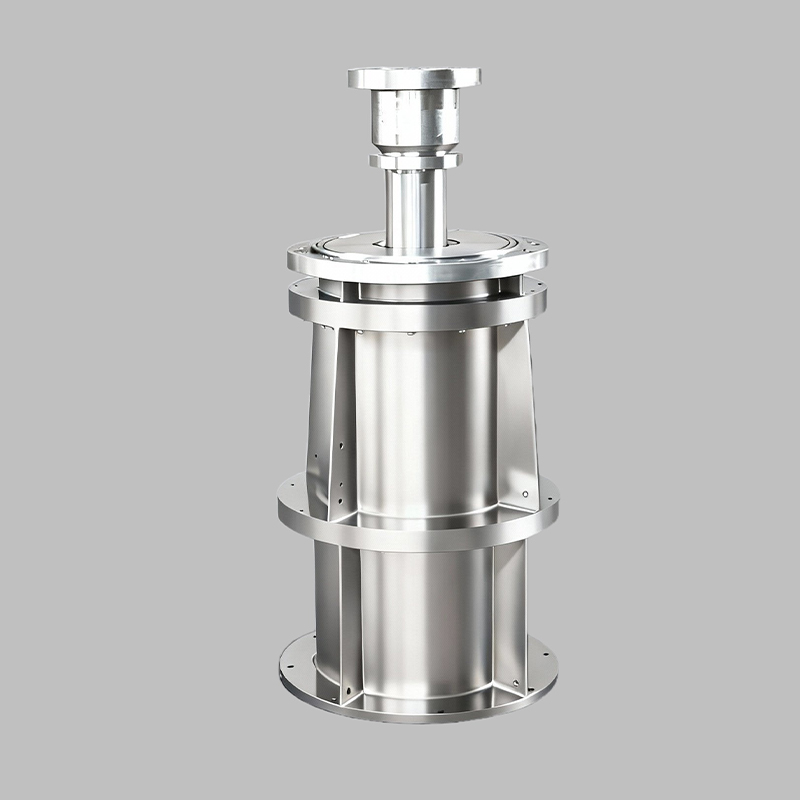
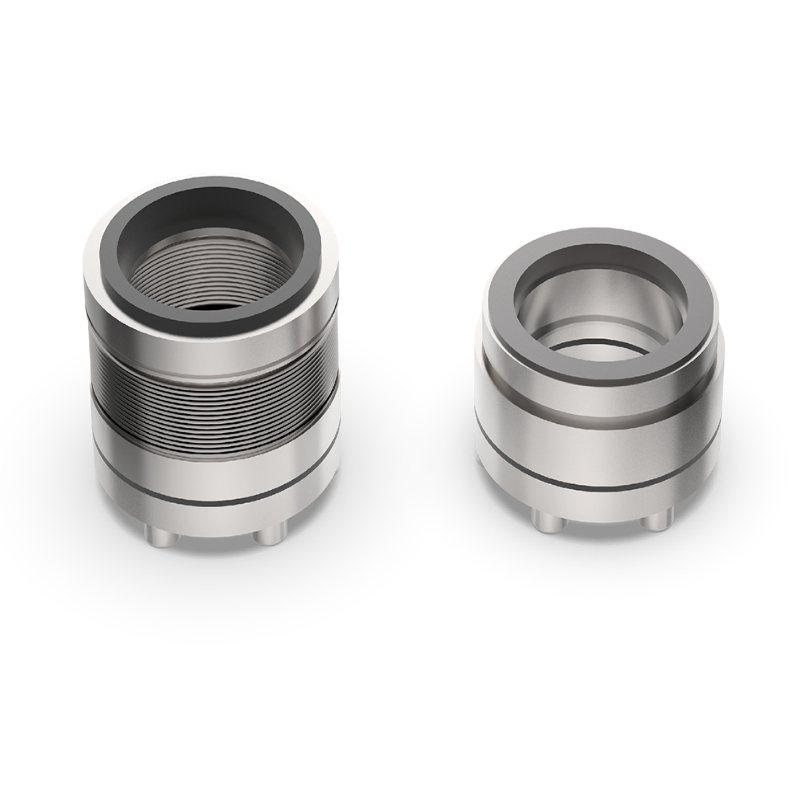
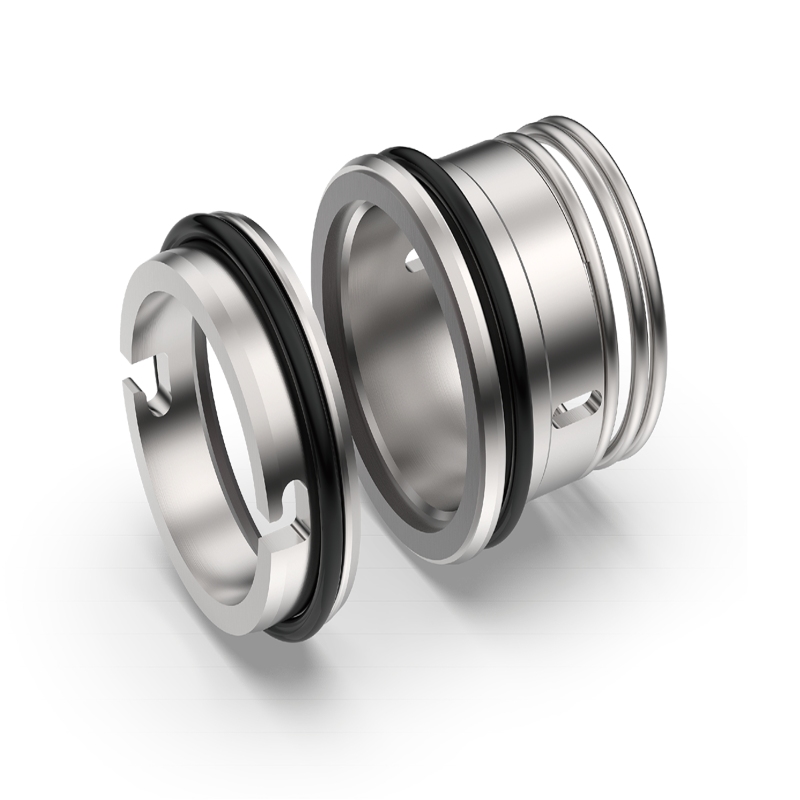
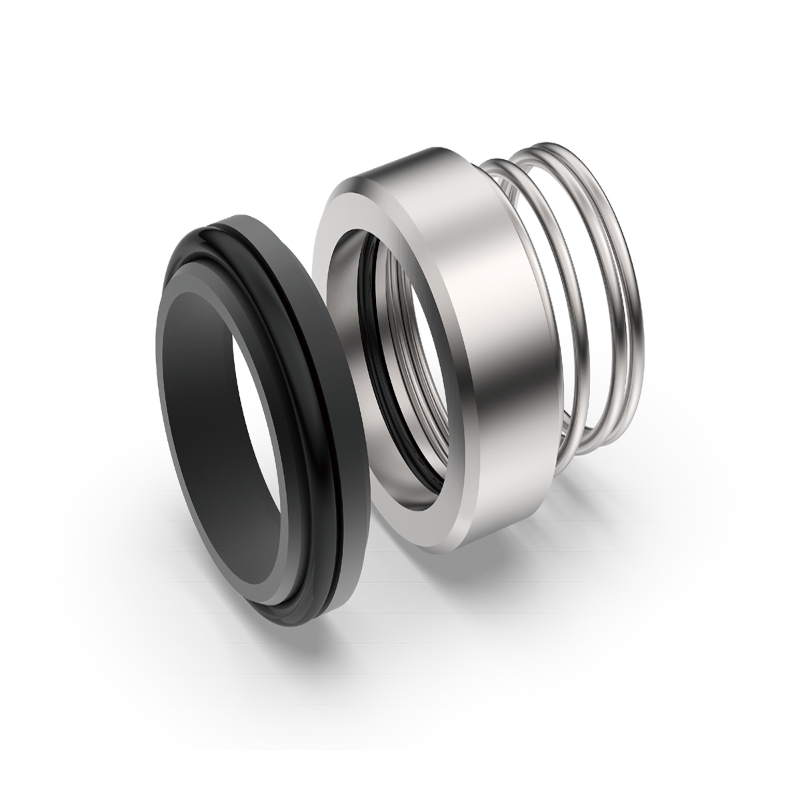
Product features and advantages
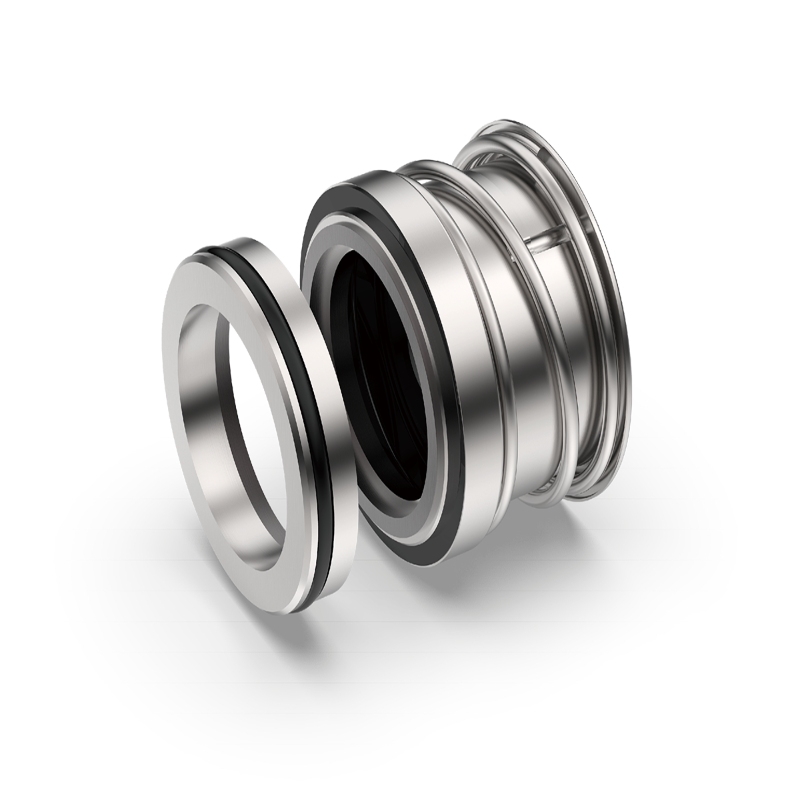
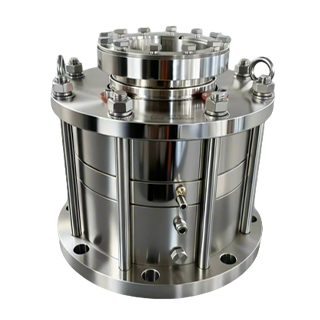
Integrated design with a short shaft, featuring high installation accuracy.Bi-directionally balanced design ensures the bottom end face will not open under overpressure.An auxiliary system must be used when the pressure inside the reactor exceeds 0.5 MPa.Cooling measures must be adopted when the mechanical seal temperature exceeds 160 °C, and the installation height will be increased by [mm] .
Parameter
| Design Pressure (MPa) |
-0.1~4MPa |
| Design Temperature (°C) |
-40~160° C |
| Speed (m/s) |
<5m/s |
Application areas/scenarios
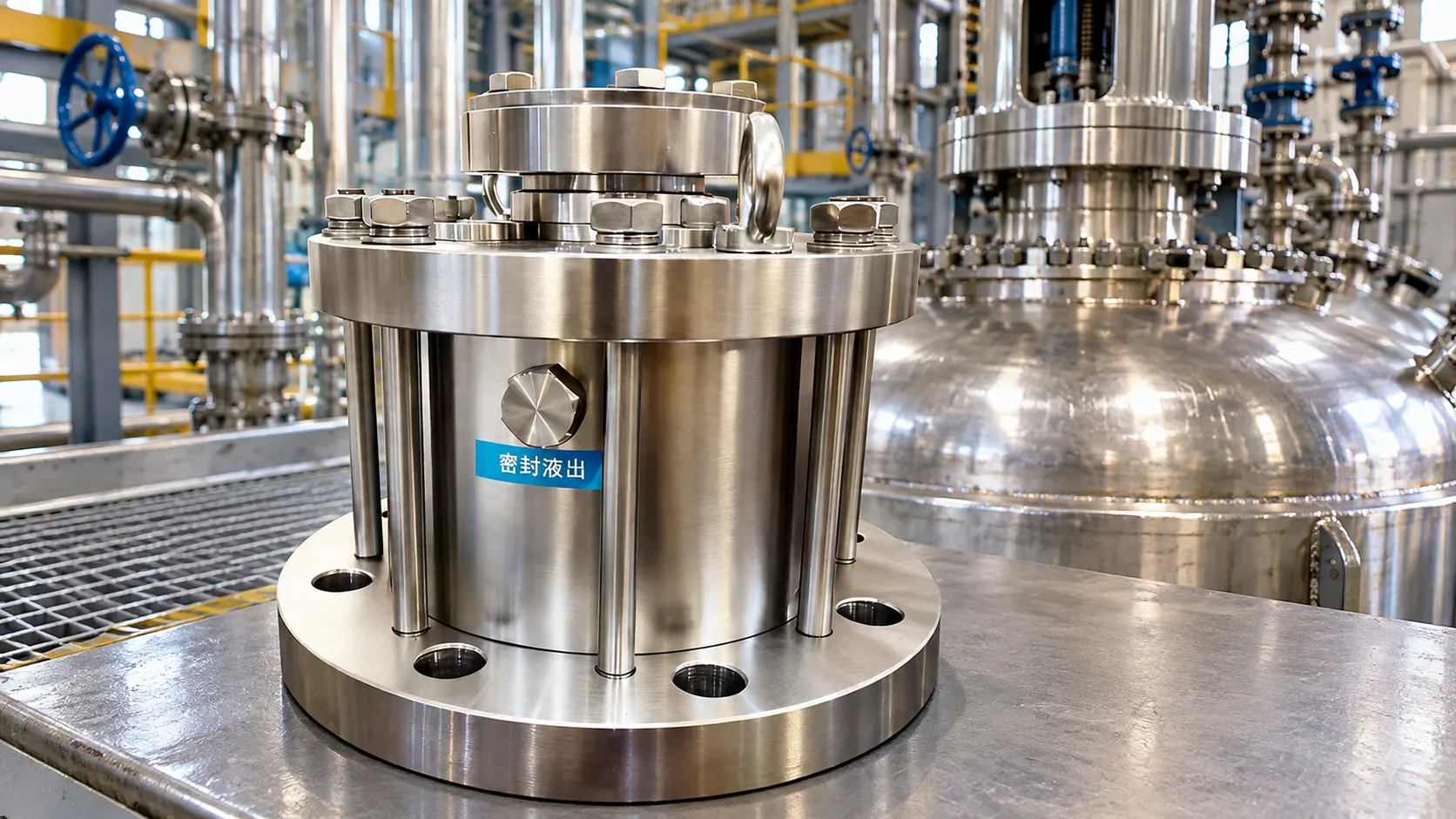
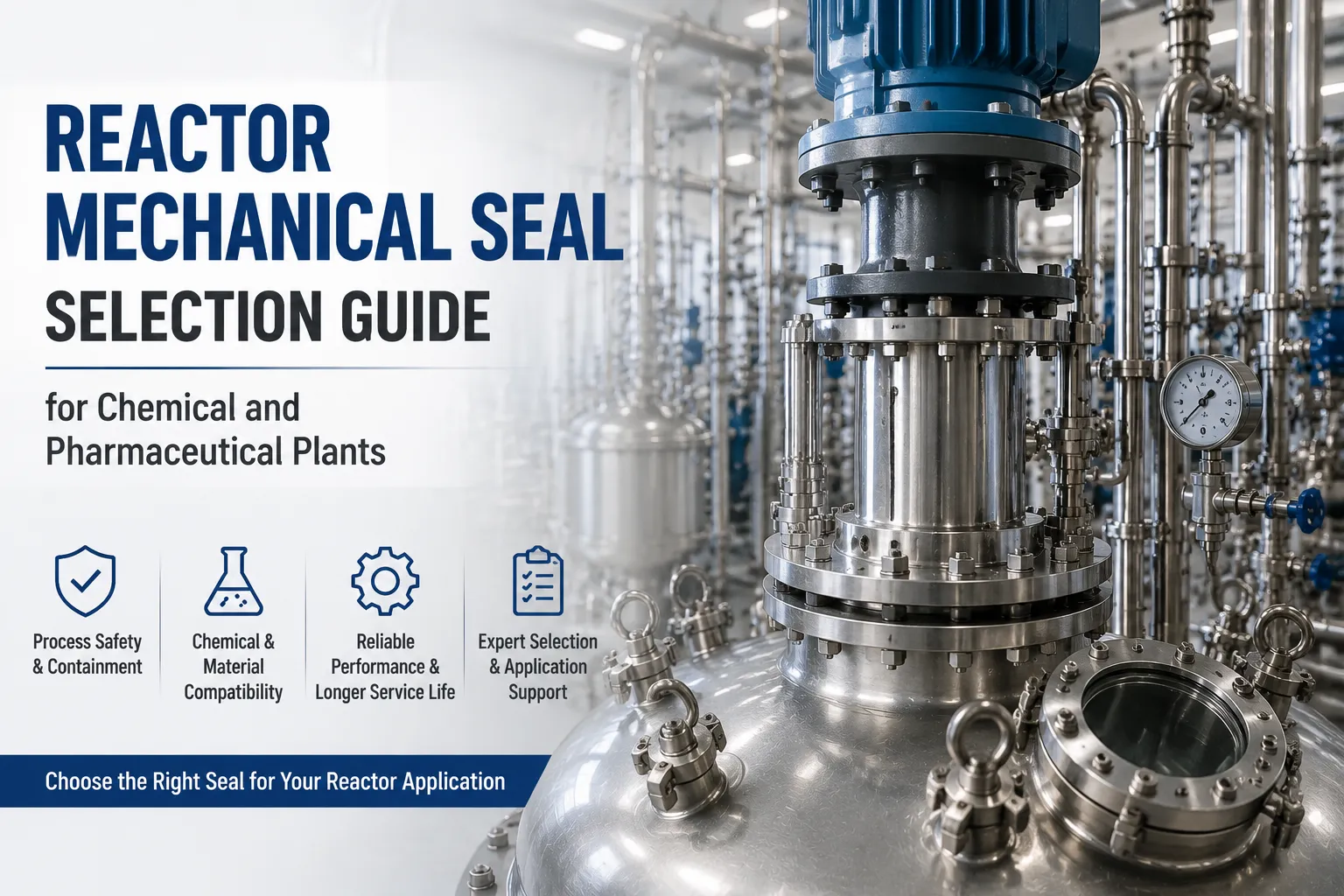
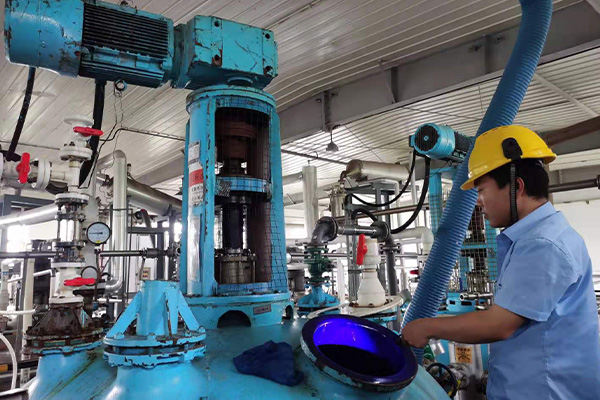
Sealing for stirring shafts of vertical reactors, mixing tanks, storage tanks, etc., especially suitable for high‑sealing‑requirement fields such as chemical, biological and pharmaceutical industries.
FAQ
- Leakage (most common issue)
- Leakage at static sealing face: Check if the stationary seal gasket (O‑ring, V‑ring) is aged, deformed or mismatched in size. Replace it with a media‑resistant and temperature‑resistant gasket of the same specification. If the fit clearance between the stationary ring and the gland is too large, re‑machine or replace the stationary ring.
- Leakage at dynamic sealing face: Inspect the sealing end faces of the rotating and stationary rings for scratches, wear or chipping. Minor scratches can be repaired by lapping; replace the seal rings directly if severely damaged. Also verify the spring compression: add gaskets if insufficient, reduce gaskets if excessive.
- Leakage at shaft sleeve / shaft fit: Check for damage to the shaft sleeve gasket, or excessive fit clearance between shaft sleeve and shaft. Replace the gasket or re‑grind the shaft sleeve.
- Abnormal wear
- Excessive end face wear: Install a filter if caused by particulate impurities in the medium. For insufficient lubrication, use self‑lubricating seals such as impregnated graphite rings, or introduce external flushing liquid (e.g. clean same medium).
- Shaft sleeve wear: Replace the shaft sleeve with wear‑resistant material, and adjust the concentricity between the seal chamber and the shaft to avoid eccentric wear.
- Overheating and Burning
- Excessively high temperature in seal chamber: Check if the cooling system is clogged and clean the cooling lines. If the medium temperature is inherently high, use high-temperature resistant seal materials (such as silicon nitride ceramic rings and fluororubber gaskets).
- Poor end-face contact due to spring failure: Replace fatigued or corroded springs, select corrosion-resistant spring materials such as stainless steel, and ensure uniform spring compression.
- Vibration and Abnormal Noise
- Misalignment: Recalibrate the concentricity between the pump shaft and motor shaft, and adjust the radial runout of the seal chamber and shaft to within allowable limits.
- Loose parts: Check whether the gland bolts and drive pins are loose, tighten the bolts evenly to the specified torque, and replace worn drive pins.
- Short Service Life of Seals
- Mismatch between material and medium: Replace seal materials according to medium characteristics (e.g., Hastelloy and PTFE for corrosive media; silicon carbide for high-temperature media).
- Improper installation: Operate in strict accordance with installation specifications, avoid impact or scratches on the seal pair end faces, and ensure no impurities enter the seal chamber during installation.