Nullam dignissim, ante scelerisque the is euismod fermentum odio sem semper the is erat, a feugiat leo urna eget eros. Duis Aenean a imperdiet risus.
Nullam dignissim, ante scelerisque the is euismod fermentum odio sem semper the is erat, a feugiat leo urna eget eros. Duis Aenean a imperdiet risus.
 author
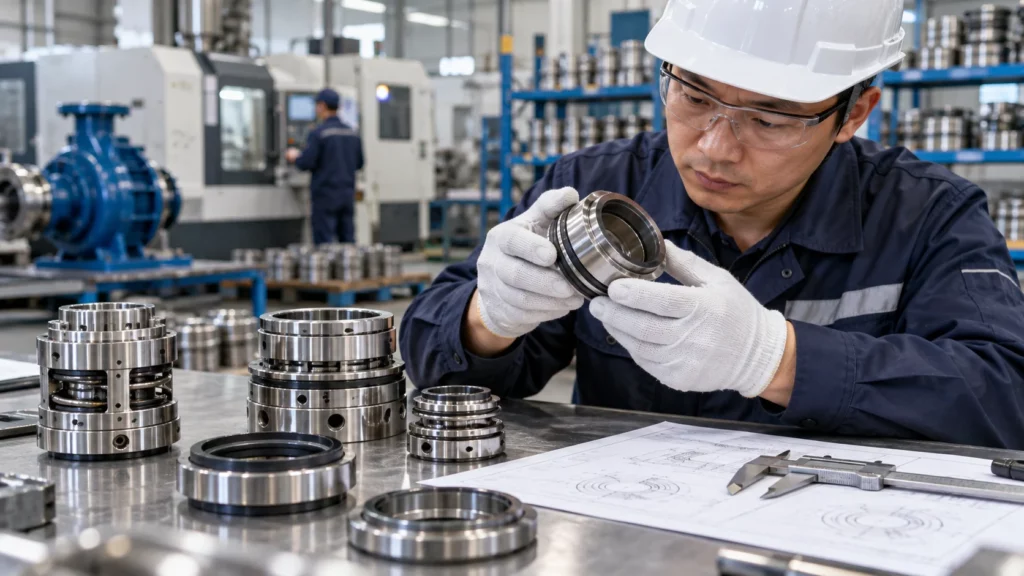
A reliable mechanical seal supplier does more than match a part number or offer the lowest unit price. The supplier should convert operating data into a documented seal configuration, show how materials and dimensions will be controlled, state the limits and assumptions behind the recommendation, and support installation and failure analysis. For procurement and maintenance teams, the practical test is whether the supplier can reduce selection risk across the seal’s full working life.
A credible supplier begins by understanding the equipment and process. A model number from an old seal can help, but it does not reveal changes in fluid composition, cleaning chemistry, temperature cycles, pressure excursions, speed, shaft movement, or solids. Quoting before these conditions are known can transfer hidden risk to the buyer.
At minimum, expect questions about the equipment type, shaft diameter, seal chamber or flange dimensions, rotation, speed, normal and upset pressure, normal and cleaning temperature, medium and concentration, solids, crystallization, vapor behavior, leakage constraints, and available flush or barrier utilities. Drawings, nameplate data, photographs, and a used sample can resolve uncertainty when the original specification is unavailable.
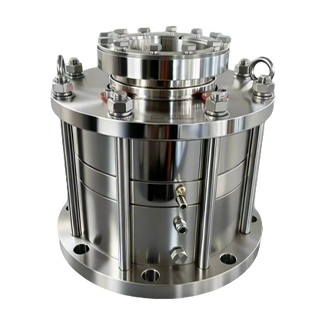
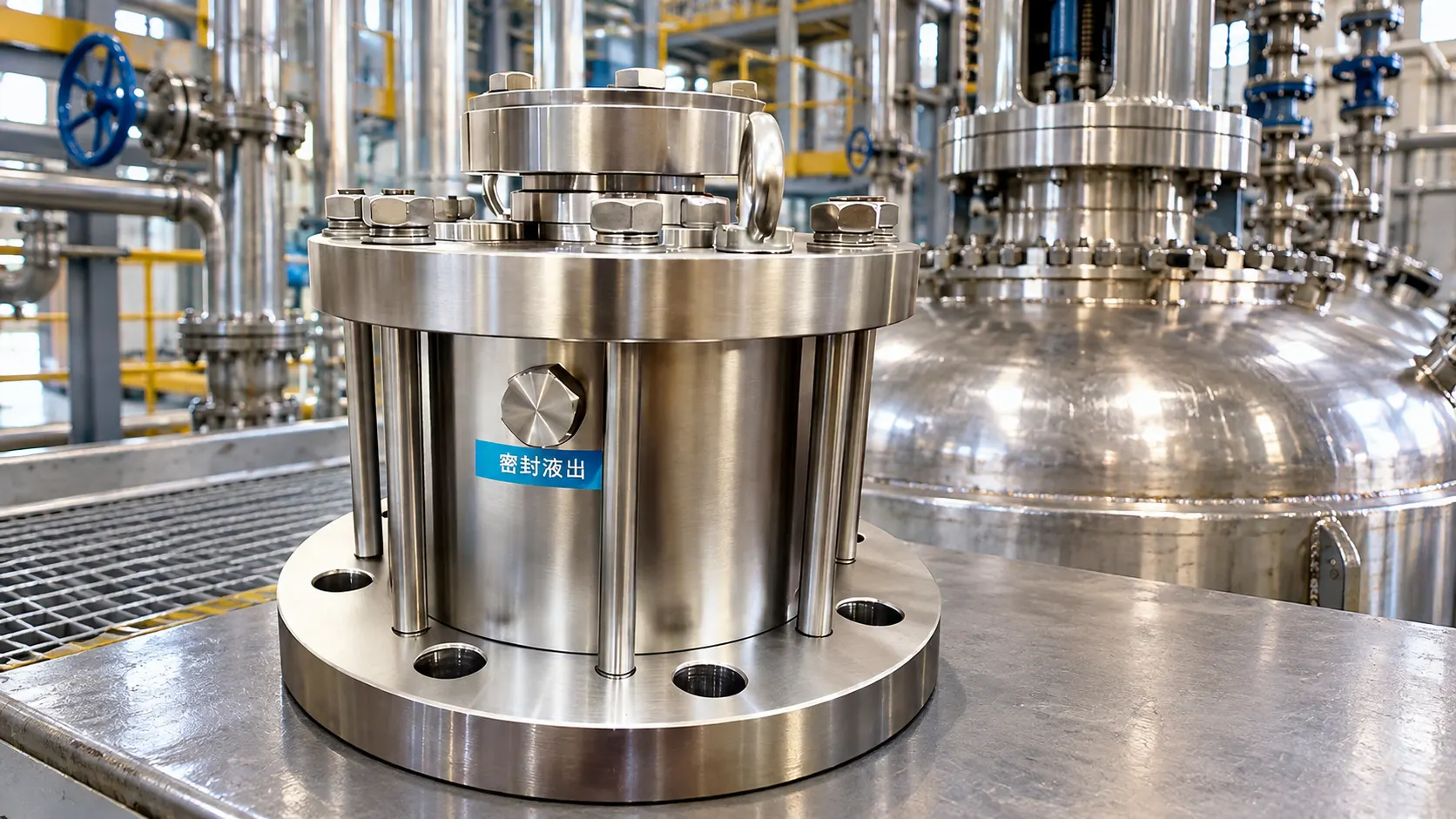
For reactor duties, XYM’s reactor mechanical seal selection guide illustrates why chemistry, contamination risk, equipment geometry, and auxiliary systems must be reviewed together rather than treated as separate purchasing details.
The supplier should explain why a proposed arrangement fits the duty. That explanation may cover single versus dual faces, balanced versus unbalanced geometry, pusher versus non-pusher compensation, rotating versus stationary elements, and whether an auxiliary system is required. The correct answer depends on the application; a familiar design is not automatically transferable from a pump to a slow reactor or from clean liquid service to a slurry.
Ask the engineer to identify the controlling risks and the resulting design choices. For example, abrasive particles affect face materials and flushing, corrosive fluids affect every wetted component, dry-running exposure changes face loading and heat removal, and shaft runout can overwhelm a seal selected only by diameter. A reliable supplier should state which data remain unconfirmed and make final approval conditional on closing those gaps.
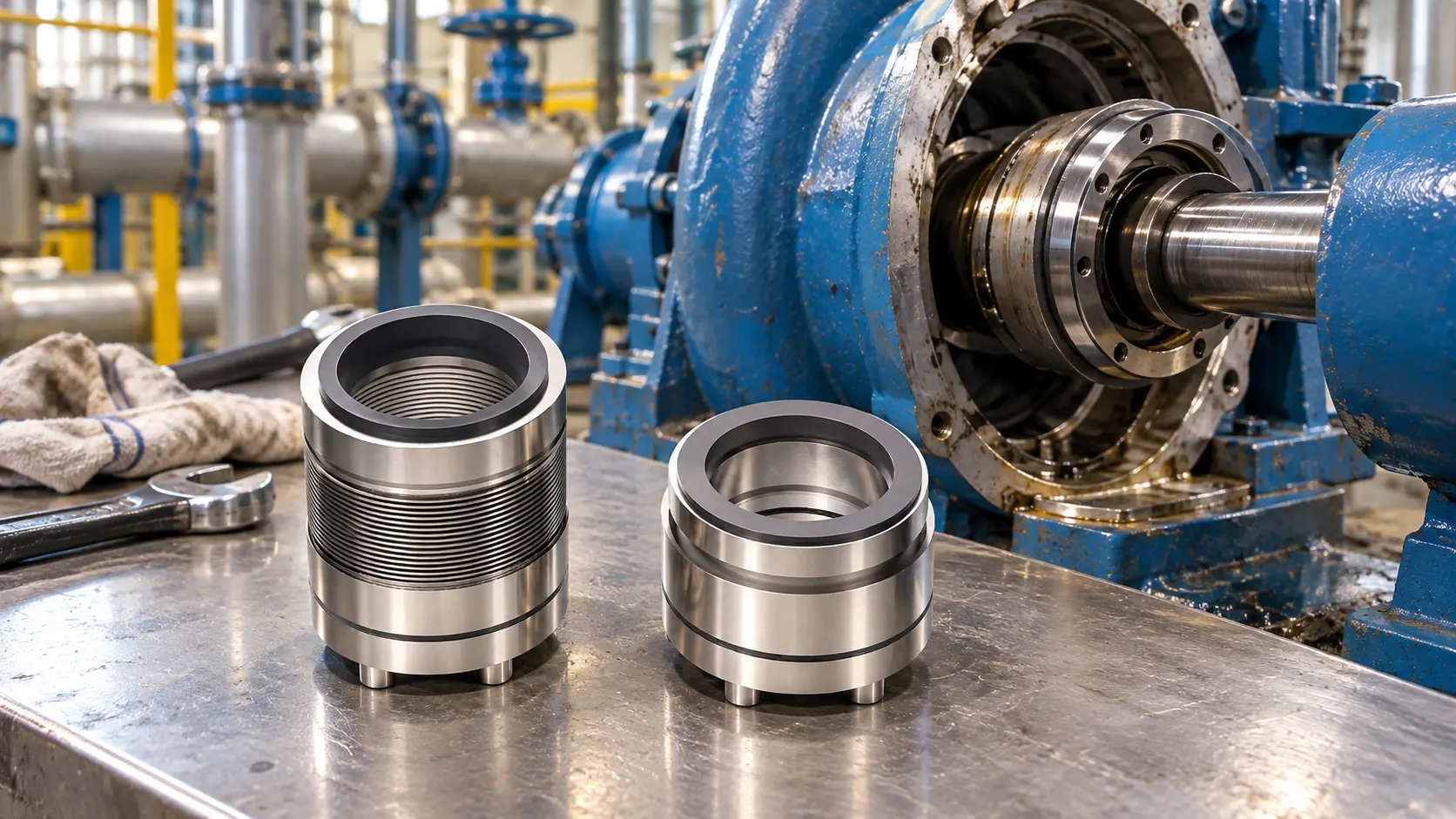
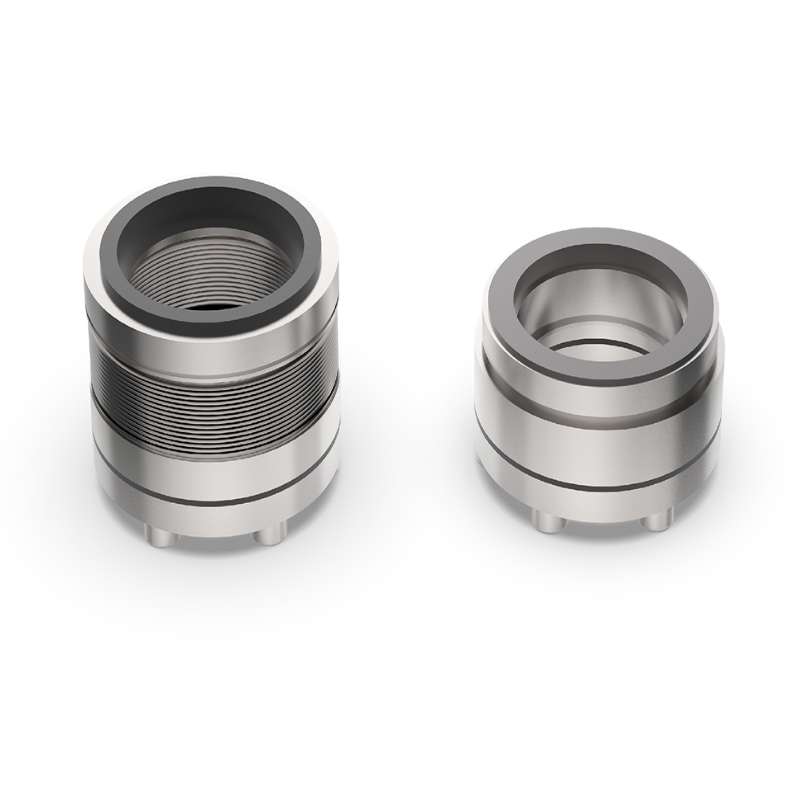
A supplier does not need every seal type, but its proven scope should match the project. Review the actual pump seals, reactor seals, and auxiliary equipment it offers, then confirm whether the quoted configuration is standard, modified standard, or fully custom. This distinction affects drawings, tooling, lead time, spare-parts planning, and future interchangeability.
For replacement and retrofit work, ask whether the supplier can review drawings or samples, map critical dimensions, and document deviations from the original design. Custom capability should not mean an undocumented one-off part. The output should include an approved drawing, material definition, interface dimensions, and a stable identification method for repeat orders.
Supplier claims are less useful than records tied to the ordered product. Ask how the manufacturer controls seal-face flatness and finish, component dimensions, spring or bellows characteristics, elastomer identity, alloy grade, cleanliness, assembly, and preservation. The relevant checks vary by seal type, so a generic inspection statement is not enough.
Agree before purchase which documents will accompany the shipment. Depending on risk, these may include an approved drawing, inspection report, material certificates, pressure or leakage test record, serial or batch identification, and a packing list that connects each item to the purchase order. If a standard is specified, require the supplier to identify the applicable edition and product scope instead of making a broad compliance claim.
A useful quotation should make comparison possible. It should identify the seal type, materials, principal dimensions, quantity, operating envelope used for selection, included accessories, required auxiliary equipment, documentation, inspection, packaging, delivery basis, and warranty assumptions. Separate optional items so that price differences are not caused by one supplier omitting essential hardware or services.
Treat exclusions and assumptions as seriously as the price. If the supplier assumes clean liquid, continuous lubrication, limited runout, or a customer-provided flush, record that condition. Ask how a change in medium, temperature, pressure, speed, or installation dimension affects the offer. A technically complete quotation reduces variation orders and makes responsibility clearer when the seal reaches site.
Reliability continues after manufacturing. Confirm how the supplier handles drawing approval, production updates, export packaging, document support, installation questions, troubleshooting, repairs, and replacement parts. XYM describes these activities in its one-stop mechanical seal service system, including selection assistance, custom processing, order follow-up, export documentation, and post-delivery technical support.
Ask for realistic response channels and escalation contacts rather than an undefined promise of fast service. For critical equipment, agree on recommended spares, identification of wearing parts, storage requirements, and what evidence is needed for a failure review. A supplier that requests operating and inspection data before assigning blame is more useful than one that automatically labels every failure an installation problem.
For a new supplier, a controlled sample order is often more informative than a large first purchase. Use a representative but manageable duty, freeze the approved drawing, inspect the received product, verify documents, and record communication quality. Installation and operating feedback should be compared with the original assumptions before expanding the relationship.

Score suppliers using project risk, not an equal list of features. Application engineering, specification compliance, quality evidence, traceability, and technical response may carry more weight than price for hazardous or downtime-sensitive service. Delivery, export capability, repair support, and total installed cost can receive weights appropriate to the site. Keep the completed scorecard with the sourcing decision so future buyers can see why the supplier was approved.
Choosing a reliable mechanical seal supplier is a technical risk decision, not a simple price comparison. The strongest candidate gathers complete duty data, explains the design logic, controls materials and critical dimensions, documents inspection and changes, and supports the seal through installation and operation. A structured review of engineering, manufacturing, documentation, service, and lifecycle cost gives procurement teams a defensible basis for supplier approval.
To discuss a pump, reactor, retrofit, or custom sealing requirement with XYM, request a documented application review and provide the equipment drawing, medium, temperature, pressure, speed, dimensions, shaft movement, auxiliary-system information, quantity, and required inspection documents.
Send equipment and installation drawings, shaft and chamber dimensions, medium and concentration, solids, normal and upset temperature and pressure, speed, shaft movement or runout, existing seal details, auxiliary-system data, quantity, and documentation requirements. State which values are measured, estimated, or unknown.
Either can be reliable. Evaluate who owns application engineering, configuration approval, quality records, warranty decisions, and failure analysis. The commercial channel matters less than having clear technical responsibility and access to traceable product information.
No. A management-system certificate can support supplier qualification, but it does not prove that a specific seal suits the application. Review the certificate scope, product specification, material controls, inspection plan, test evidence, traceability, and engineering assumptions together.
Normalize the technical scope first. Compare seal configuration, materials, auxiliary equipment, spares, drawings, inspection and test records, packaging, delivery terms, warranty assumptions, and support. Then consider total installed and lifecycle cost rather than unit price alone.