Nullam dignissim, ante scelerisque the is euismod fermentum odio sem semper the is erat, a feugiat leo urna eget eros. Duis Aenean a imperdiet risus.
Nullam dignissim, ante scelerisque the is euismod fermentum odio sem semper the is erat, a feugiat leo urna eget eros. Duis Aenean a imperdiet risus.
 author
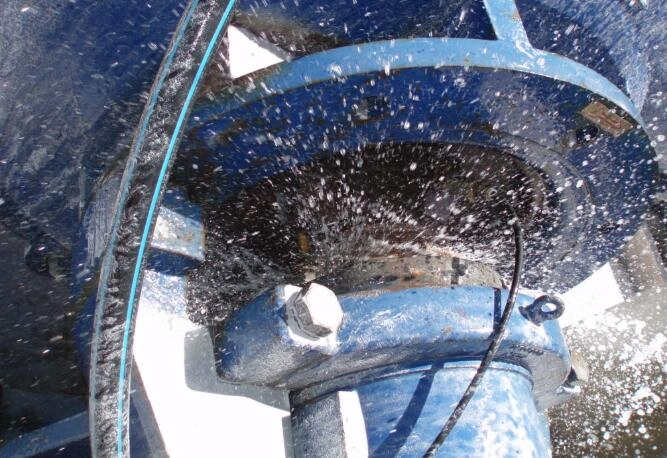
The slurry pump mechanical seal issue often arises from a single factor – the introduction of abrasive/high solids to the seal faces resulting in damage and failure of the sealing surfaces. This is due to the presence of solids in the liquid that cause abrasion or erosion to the mechanical seal in applications involving mining, metallurgy, phosphorus chemicals, salt chemicals, titanium dioxide, sludge pumps, and grit chambers if the solids content, particle size, corrosion, flushing, vibration, and seal material are not considered together.
For B2B buyers, maintenance teams, pump OEMs, and distributors, the question is rarely “What is a mechanical seal?” The real question is: why is the slurry pump seal leaking again, what should be changed before the next replacement, and what information should be sent to a supplier to select the right heavy duty slurry pump seal?
Slurry service is different from clean water, light oil, or low-abrasion chemical liquid service. A clean liquid can help form a stable lubricating film between seal faces. A slurry can carry hard particles into the seal chamber, disrupt the liquid film, scratch the seal faces, block flushing paths, and create uneven heat. Industry technical resources commonly identify abrasive solids, particle ingress, poor flushing, pressure fluctuation, and face wear as major causes of mechanical seal failure in slurry pumps.
Abrasive slurry mechanical seal failure often begins at the rotating and stationary seal faces. When solids enter the sealing interface, they can create fine scratches, grooves, chips, or uneven wear marks. Once the face surface is no longer flat enough to maintain the correct sealing film, leakage becomes visible at the gland or seal chamber area.
This particular failure occurs frequently with tailings handling, coal cleaning, metallurgical slurry processing, sludge pumps, grit chamber applications, and chemical slurries handling. It is particularly dangerous where the slurry has hard particles, high solids percent, or particles which are large enough to be trapped at the seal faces.
It is possible for the maintenance crew to detect any abrasion damage to the seal faces by checking the old seals to see if they have circular scoring, irregular polishing, edge breaking, or rapid wear. This is because if the same pump keeps failing repeatedly even after the seal replacement, it means that the failure was not due to the replacement seal only.
In purchasing a slurry pump mechanical seal replacement, one should ascertain the solids content, particle size, particle hardness, slurry density, temperature, pressure, shaft diameter, and corrosive or crystallizing nature of the slurry. In case of very abrasive materials, harder face combinations like silicon carbide or tungsten carbide are considered, depending on actual conditions.
Not all slurry seal failures are caused by direct grinding alone. In some applications, solids settle, crystallize, or build up around the seal chamber. This can prevent the seal from moving freely, interfere with spring compensation, or force the seal faces apart. Once the faces separate, leakage increases quickly.
This problem is common in chemical slurry, salt-containing media, crystallizing liquids, wastewater sludge, fiber-containing liquid, and applications where the pump stops frequently and solids settle inside the chamber. A flush plan may help, but only if the flush is clean, stable, correctly directed, and suitable for the process. Technical guidance on seal flush plans generally describes their purpose as keeping the seal environment as clean and cool as practical.
Poor flushing can also create new risks. If flush pressure is unstable, if the flush line plugs, or if the flush liquid is incompatible with the process, the seal may still fail. In some slurry systems, the wrong flush arrangement may dilute the product, increase operating cost, or fail to remove particles from the seal area.
Before ordering a replacement seal, confirm whether the previous seal used external flush, internal recirculation, quench, cooling, or no flush. Also check whether the flush line shows blockage, scale, solids accumulation, or inconsistent pressure. For crystallizing slurry, the supplier may need to evaluate anti-clogging or anti-crystallization design rather than simply matching old dimensions.
Visible leakage is only the final symptom. The more useful question is what the failed seal looks like after removal. A damaged seal can show whether the problem came from abrasive wear, dry running, vibration, material mismatch, incorrect installation, or an unsuitable seal structure.
A slurry pump seal that leaks shortly after installation usually points to one of several issues: the seal type is not suitable for high-solids media, the seal faces are exposed directly to abrasive particles, the flush is not protecting the faces, or installation conditions damaged the face before operation.
A standard pump mechanical seal may be acceptable for clean water, low-abrasion wastewater, or light-duty liquid with only trace particles. It is usually not the right first choice for high-solids slurry, hard-particle media, or fast-settling slurry unless the full design and support arrangement have been checked. Some standard pump seals can use harder face materials, but material upgrade alone may not solve solids buildup, poor cooling, or chamber turbulence.
Maintenance teams should inspect the old seal before placing a repeat order. If the seal faces are scored, the shaft sleeve is worn, the O-ring is swollen, or the spring area is packed with solids, the replacement request should not only say “same as old seal.” It should include failed seal photos and a short description of the operating history: how long the seal lasted, when leakage started, whether leakage increased suddenly or gradually, and whether the pump was running under normal flow.
Overheating is another common slurry pump seal failure symptom. It can appear as burnt elastomers, heat cracks, discoloration, abnormal noise, face glazing, or rapid hardening of secondary seals. The cause may be insufficient liquid film, blocked cooling, dry running, excessive face load, or vibration from the pump system.
In slurry service, lubrication is harder to maintain because particles disturb the film between the faces. Too little film can create frictional heat. Too much opening between the faces can allow more solids to enter. This makes the seal environment unstable, especially when the pump sees pressure fluctuation, cavitation, unstable flow, or frequent starts and stops.
Vibration and shaft runout should also be checked before blaming only the seal. Misalignment, worn bearings, an unevenly tightened gland, a damaged shaft sleeve, or an out-of-tolerance seal chamber can cause the faces to open and close unevenly. Xinyoumi’s pump seal guidance also highlights leakage, abnormal wear, overheating, vibration, abnormal noise, and short service life as key symptoms that should be checked through material, installation, cooling, alignment, and component inspection.
Preventing slurry pump seal leakage is not only a seal material decision. A reliable solution usually combines correct seal design, suitable face materials, controlled solids exposure, proper flushing or cooling where needed, and careful installation.
The first prevention goal is to keep the seal faces operating in the most stable environment available for that application. In many slurry pumps, this means reducing direct solids contact, preventing dry running, and keeping enough compatible liquid at the sealing interface.
Possible measures include external flushing, filtration, cooling, restriction bushings, slurry-isolation designs, or seal chamber modifications. The correct choice depends on the pump type, slurry behavior, process restrictions, and whether flush liquid can enter the product. Some applications cannot tolerate added water or dilution, while others depend on a clean flush to protect the seal faces.
For high-abrasion slurry, the buyer should not evaluate only unit price. The practical cost is the seal price plus shutdown time, labor, product loss, cleanup, bearing damage risk, and repeated emergency purchases. A higher-suitability slurry pump seal selection may reduce these hidden costs if it matches the real service conditions.
Even a suitable mechanical seal for slurry pump service can fail early if the pump condition is poor. Excessive vibration, misalignment, shaft sleeve wear, gland distortion, or incorrect compression can damage the seal faces before the material has a chance to perform.
Before installing the next seal, check shaft runout, bearing condition, gland flatness, seal chamber cleanliness, sleeve wear, and whether solids remain in the chamber after shutdown. During installation, protect the seal faces from scratches and avoid forcing the seal into place if the dimensions or chamber condition do not match.
Procurement teams should ask maintenance staff for practical evidence rather than only the old model number. Photos of the failed seal, pump nameplate, shaft sleeve, seal chamber, and process line can help the supplier decide whether the issue is material, structure, installation, or operating condition.
Slurry pump seal selection should start from the media, not from a catalog number. The same shaft diameter can require different seal structures depending on solids content, particle size, corrosion, pressure, temperature, speed, and whether the slurry settles, crystallizes, or contains fibers.
A light-duty wastewater application with trace particles may not need the same seal as a mining tailings pump or titanium dioxide slurry pump. For low-abrasion liquid with minimal solids, a standard pump seal with suitable face materials and proper flushing may be enough. For high-solids slurry, large particles, crystallizing media, or corrosive abrasive slurry, a heavy duty slurry pump seal is usually a more appropriate starting point.
A practical selection process should confirm:
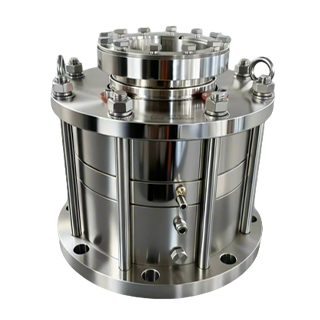
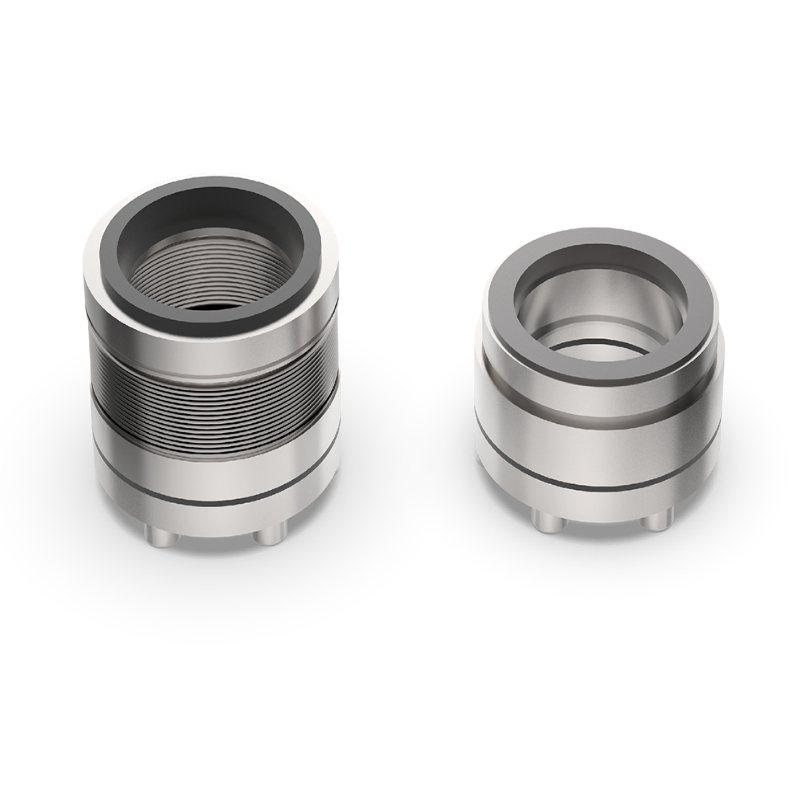
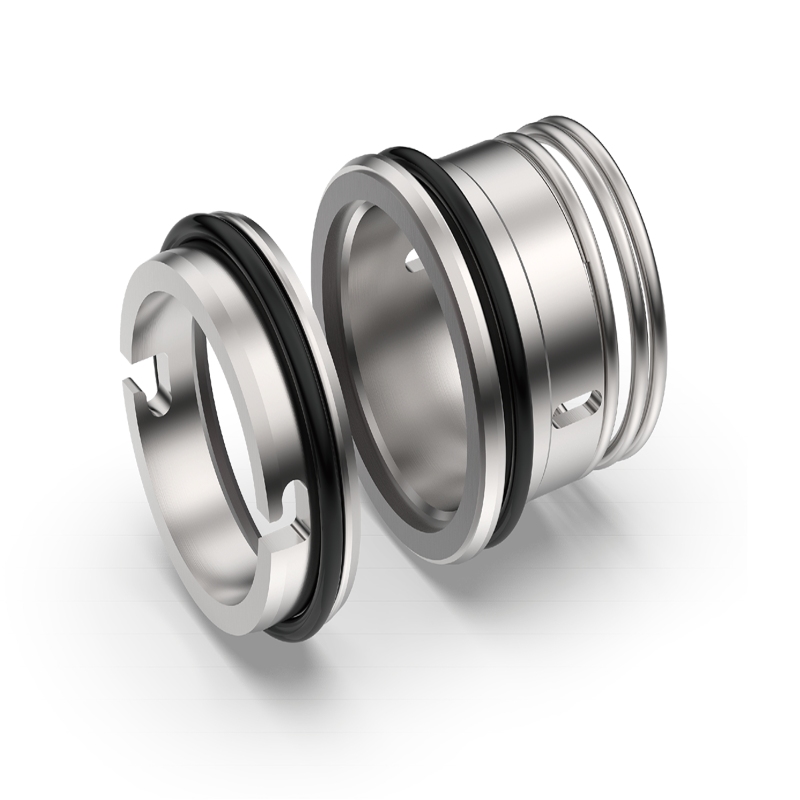
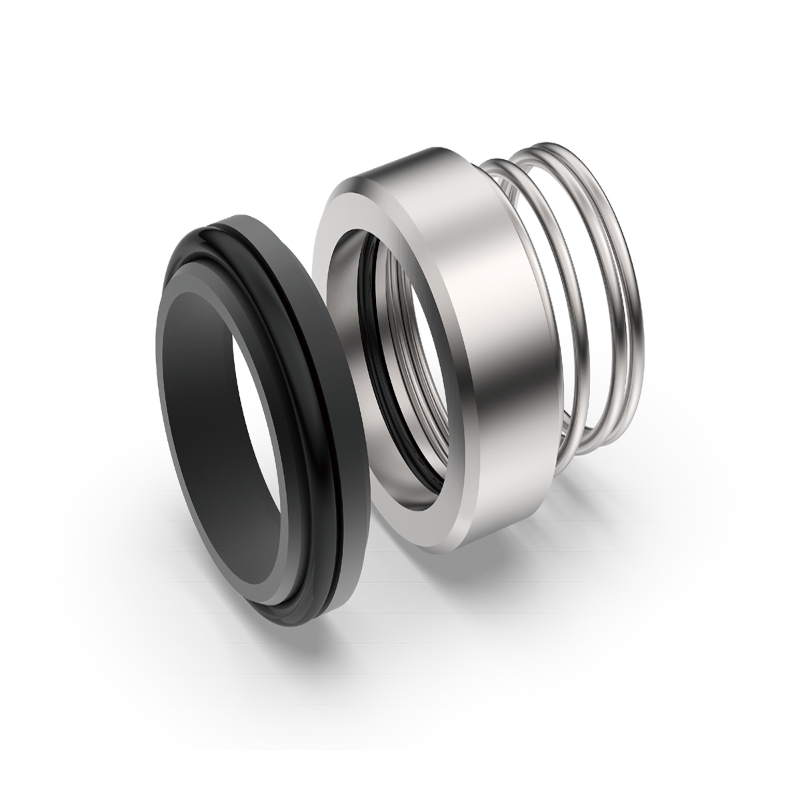
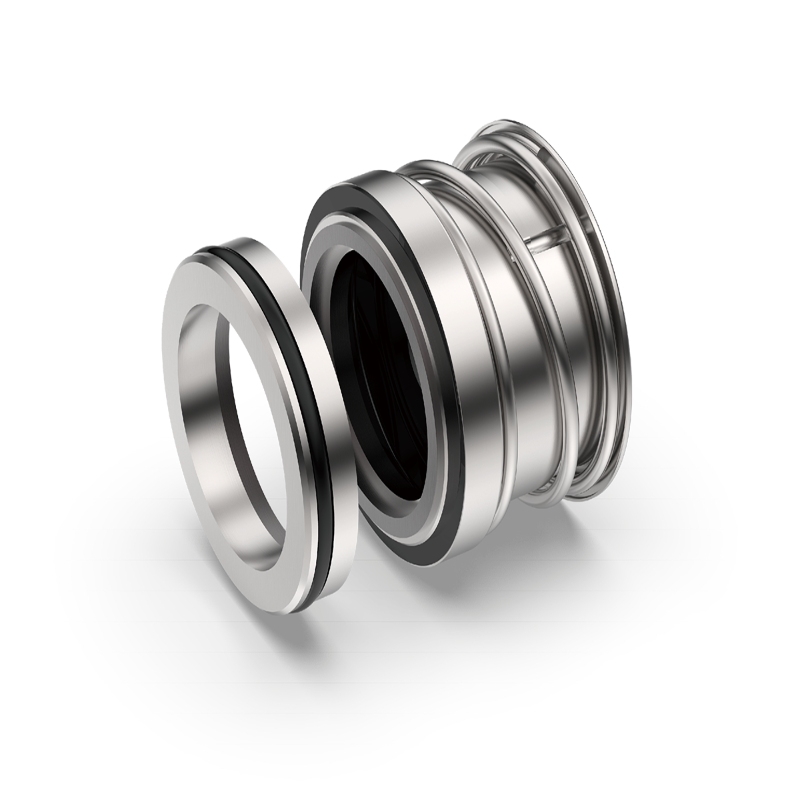
Xinyoumi’s G50(F)S Series Integrated Mechanical Seals for Slurry Pumps are positioned for heavy-duty slurry service and conveying equipment handling highly abrasive, high-solids-content media. The listed application areas include mining and metallurgy, chemical production, and water treatment scenarios such as tailings transportation, coal washing, metallurgical slurry treatment, corrosive and crystalline media transfer, sludge pumps, and grit chamber service. For readers comparing application-specific options, the G50(F)S Series Integrated Mechanical Seals for Slurry Pumps page is the most relevant product reference.
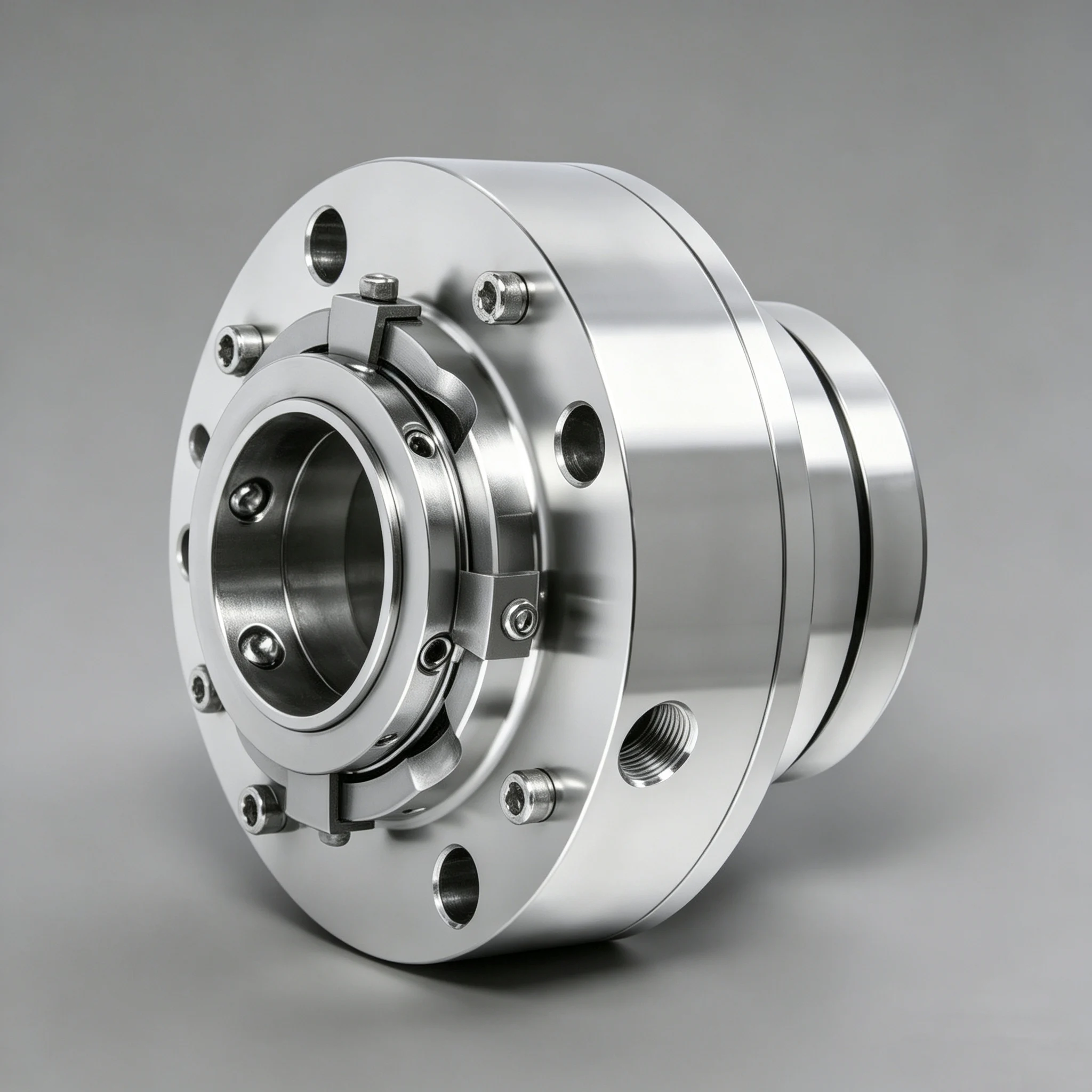
Material selection should match both abrasion and chemical compatibility. For abrasive slurry, hard seal faces such as silicon carbide or tungsten carbide may be considered. For corrosive slurry, secondary seals and metal parts also matter. A seal face may resist abrasion, but an O-ring can still swell, harden, crack, or lose elasticity if it is not compatible with the medium.
Common material decisions include:
| Selection Area | What to Confirm | Common Risk if Ignored |
| Seal faces | Abrasion level, particle size, lubrication condition | Scoring, heat damage, rapid leakage |
| Secondary seals | Temperature, chemical compatibility, swelling risk | O-ring aging, deformation, static leakage |
| Metal parts | Corrosion level, chloride or acid exposure | Corrosion, looseness, shortened service life |
| Flush/cooling | Clean liquid availability, pressure stability, process limits | Plugging, dry friction, dilution issues |
For chemical slurry, material selection should be verified against the product specification and operating conditions. Strong corrosion, high temperature, high solids, or crystallizing behavior may require a custom configuration rather than a standard replacement.
A quotation request for a custom slurry pump seal should include more than the pump model. The more complete the data, the easier it is to select the correct seal design, face material, secondary seal material, and support arrangement.
| RFQ Item | What to Provide |
| Pump data | Pump type, model, shaft diameter, speed, rotation direction if known |
| Media data | Slurry type, solids content, particle size, density, corrosiveness, crystallization tendency |
| Operating data | Pressure, temperature, flow condition, continuous or intermittent operation |
| Existing seal | Seal structure, material, dimensions, old drawing, old model number if available |
| Failure evidence | Leakage location, damaged seal photos, service life, face wear condition |
| Installation condition | Seal chamber size, shaft sleeve condition, vibration or runout issues |
| Purchasing need | Quantity, delivery target, standard or custom design, sample or batch requirement |
For buyers comparing pump mechanical seals, it is useful to send both technical data and failure evidence. A seal supplier can then judge whether the next step should be a material change, flush adjustment, heavy-duty slurry seal, cartridge design, or a custom replacement.
Choosing a slurry pump mechanical seal manufacturer is not only a sourcing decision. It is a technical risk decision. A qualified supplier should be able to evaluate the slurry conditions, not only match dimensions from an old seal.
A supplier should ask about solids content, particle size, corrosion, pressure, temperature, shaft size, speed, installation space, failure history, and whether flushing or cooling is available. If a supplier recommends the same standard seal for every slurry application, the buyer may face repeat leakage, short service life, and unplanned maintenance.
Kunshan Xinyoumi Mechanical Seal Technology Co., LTD supplies industrial mechanical seals for pumps, reactors, and rotating equipment, with product coverage that includes pump mechanical seals and sealing auxiliary systems. The company’s confirmed strengths include modular design, interchangeable wearing parts, application-oriented material selection, and one-stop support from selection to after-sales service. For buyers reviewing supplier background, Kunshan Xinyoumi Mechanical Seal Technology Co., LTD provides useful company context.
For distributors, OEMs, and maintenance teams, modular design can be valuable because wearing parts and replacement planning affect downtime. Xinyoumi’s product information also emphasizes stocked wearing parts, shorter replenishment cycles, and practical support for leakage, wear, overheating, vibration, and short service life problems. For broader product and company navigation, industrial mechanical seal manufacturer can be used as the homepage entry point.
Slurry pump mechanical seal failure is usually caused by a combination of abrasive particles, solids buildup, unstable flushing, poor lubrication, vibration, material mismatch, or an unsuitable seal design. Replacing the seal with the same model may solve the problem only when the original design was correct and the failure came from normal wear. If the seal fails repeatedly, the slurry behavior and operating conditions must be reviewed before the next purchase.
For abrasive media, the most practical purchasing approach is to provide the pump model, shaft diameter, seal chamber information, slurry type, solids content, particle size, pressure, temperature, speed, old seal photos, failure symptoms, and target quantity. With this information, a supplier can judge whether the application needs a standard replacement, a heavy duty slurry pump seal, harder seal faces, corrosion-resistant materials, flushing support, or a custom configuration.
For project review or replacement selection, buyers can contact Xinyoumi for a slurry pump seal quotation with equipment data, working conditions, drawings, samples, or failure photos.
Q1: Why do slurry pump mechanical seals fail so quickly?
A: Slurry pump mechanical seals often fail quickly because abrasive particles enter the seal faces, solids accumulate around the seal chamber, or the flush system cannot keep the seal area clean and cool. If the same seal fails repeatedly, check solids content, particle size, face wear, vibration, shaft sleeve condition, and material compatibility before ordering another replacement.
Q2: What is the best mechanical seal for abrasive slurry?
A: The right mechanical seal for abrasive slurry depends on solids content, particle size, pressure, temperature, corrosion, speed, and installation space. Severe slurry service often requires a heavy duty slurry pump seal with suitable hard face materials, anti-clogging consideration, and a design matched to the pump and media. The exact configuration should be verified against the application data and product specification.
Q3: Can a standard pump mechanical seal be used for slurry?
A: A standard pump mechanical seal may be suitable for light-duty slurry or low-abrasion liquid with only trace particles, stable lubrication, and acceptable operating conditions. It is usually not the right choice for high-solids, highly abrasive, fast-settling, crystallizing, or corrosive slurry unless the seal design, materials, and flush arrangement have been reviewed.
Q4: How can slurry pump seal leakage be prevented?
A: Slurry pump seal leakage can be reduced by selecting materials that match the media, keeping abrasive solids away from the seal faces where practical, maintaining stable flushing or cooling if required, controlling vibration and shaft runout, and installing the seal correctly. Failed seal photos and operating data should be reviewed before each repeat replacement.
Q5: What information is needed to quote a slurry pump mechanical seal?
A: A supplier typically needs the pump model, shaft diameter, speed, pressure, temperature, slurry type, solids content, particle size, corrosiveness, seal chamber information, existing seal dimensions, failure photos, quantity, and delivery requirement. For custom slurry pump seal selection, drawings or samples can also help reduce selection risk.