Nullam dignissim, ante scelerisque the is euismod fermentum odio sem semper the is erat, a feugiat leo urna eget eros. Duis Aenean a imperdiet risus.
Nullam dignissim, ante scelerisque the is euismod fermentum odio sem semper the is erat, a feugiat leo urna eget eros. Duis Aenean a imperdiet risus.
 author
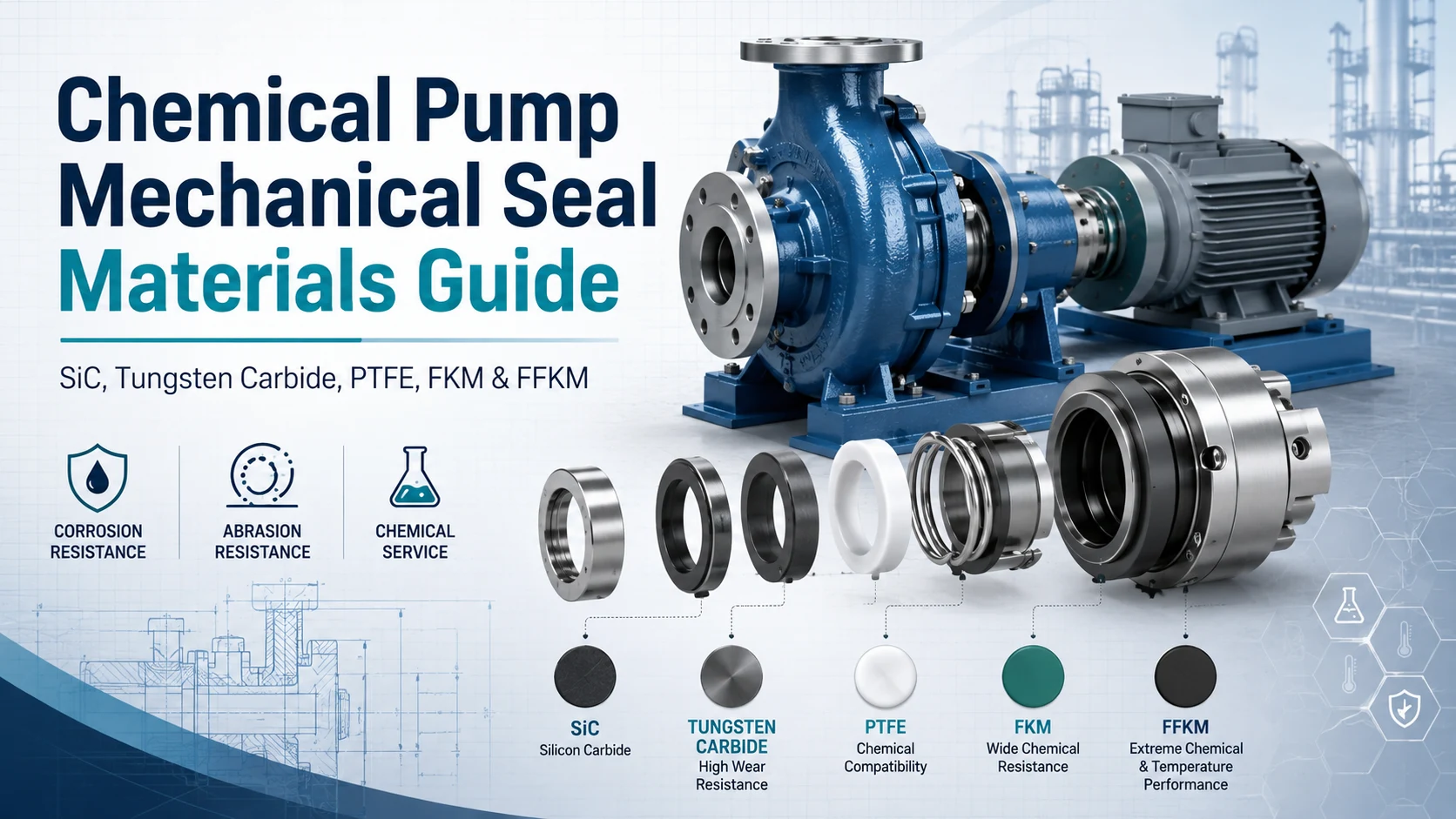
Chemical pump mechanical seal materials should be selected by service conditions, not by the old seal model alone. A seal that works in clean water may fail quickly in acids, alkalis, solvents, salt solutions, crystallizing liquids, or abrasive chemical media. For B2B buyers, engineers, OEMs, maintenance teams, and distributors, the real question is not only which material is stronger, but which face material and secondary seal material can reduce leakage risk in the actual pump environment.
Material selection starts with the chemical medium. Before comparing silicon carbide, tungsten carbide, PTFE, FKM, or FFKM, the buyer should confirm the fluid name, concentration, temperature, pressure, shaft diameter, pump speed, solids content, crystallization tendency, and whether the pump runs continuously or intermittently.
A repeated order to replace the seal with just “same as old seal” can result in the same problem. The same chemical pump seal can react in a different manner in dilute acids, high alkalinity, solvent, saline solutions, and slurry chemical environment. If leakage was noticed after very few hours of operation, it could be because of the chemical incompatibility, lack of lubrication, crystallization, dry run, or incorrect face combination.
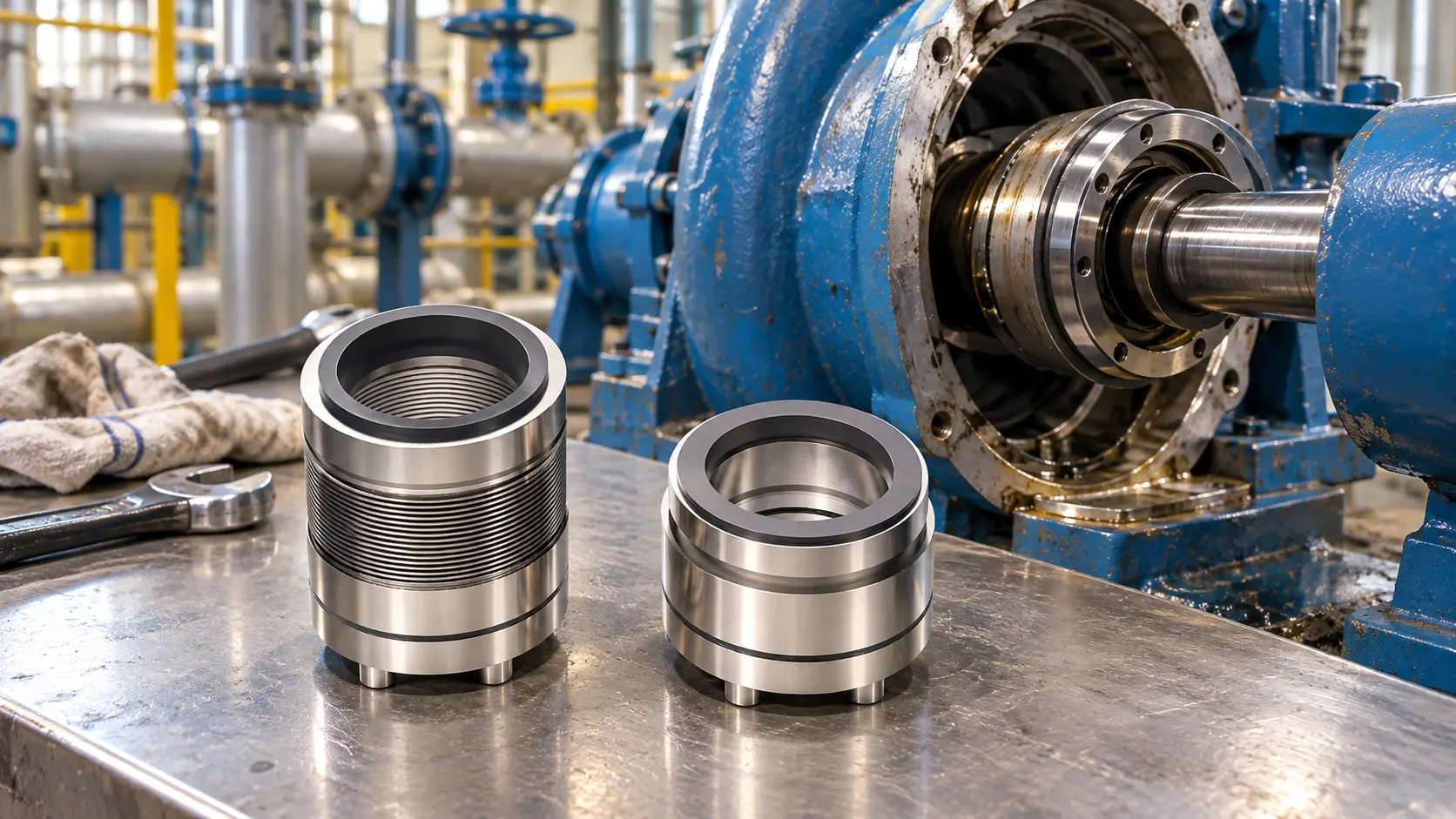
Before ordering a new mechanical seal for a chemical pump, make sure you have all the information on application conditions and the failed seal examined. Scratches on the sealing faces, swollen O-rings, hardening of rubber materials, and metal corrosion are good indications for the next selection of materials.
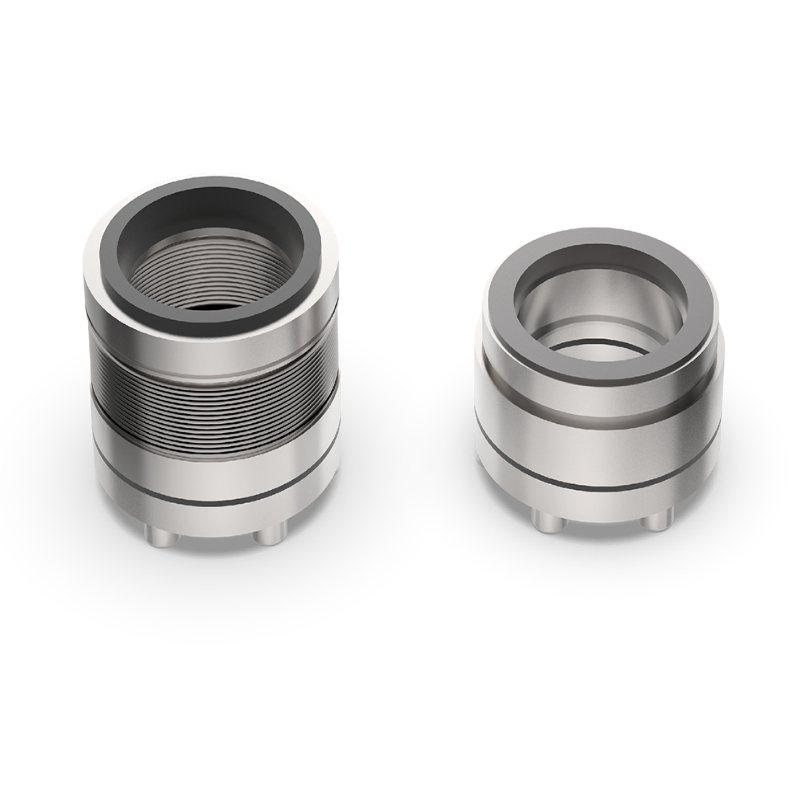
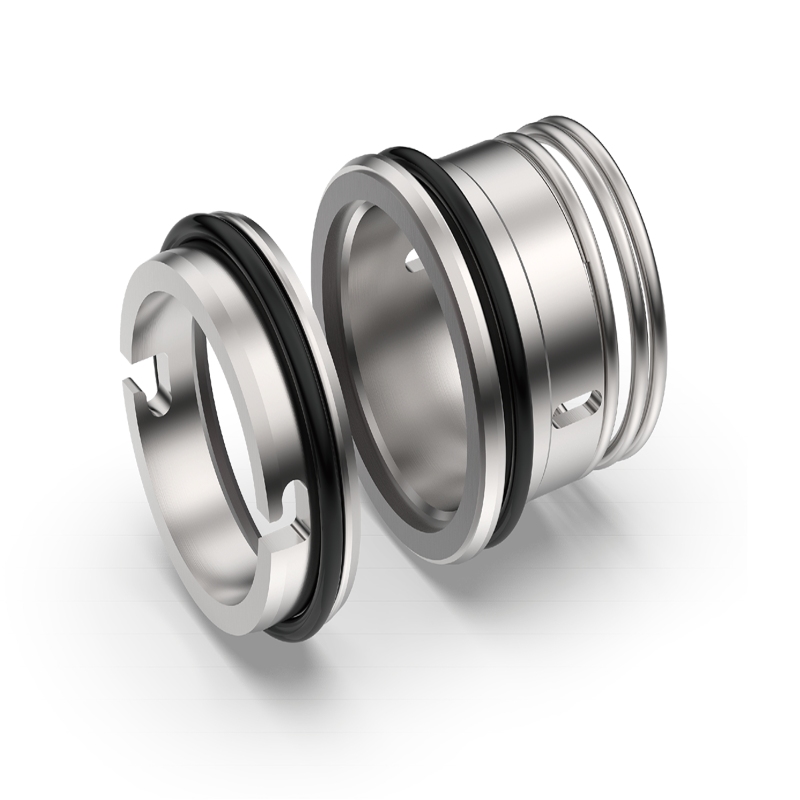
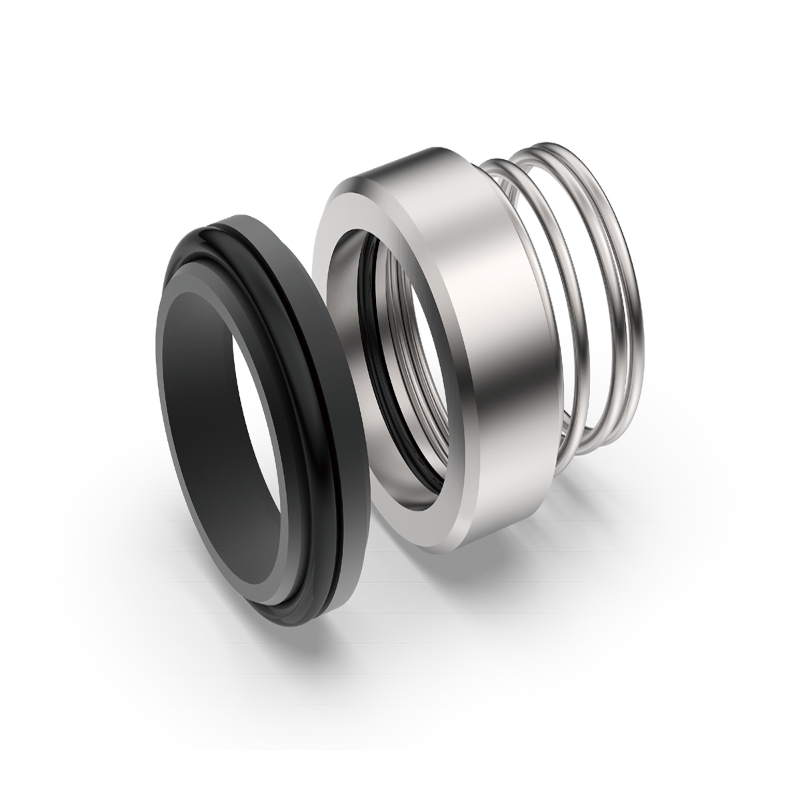
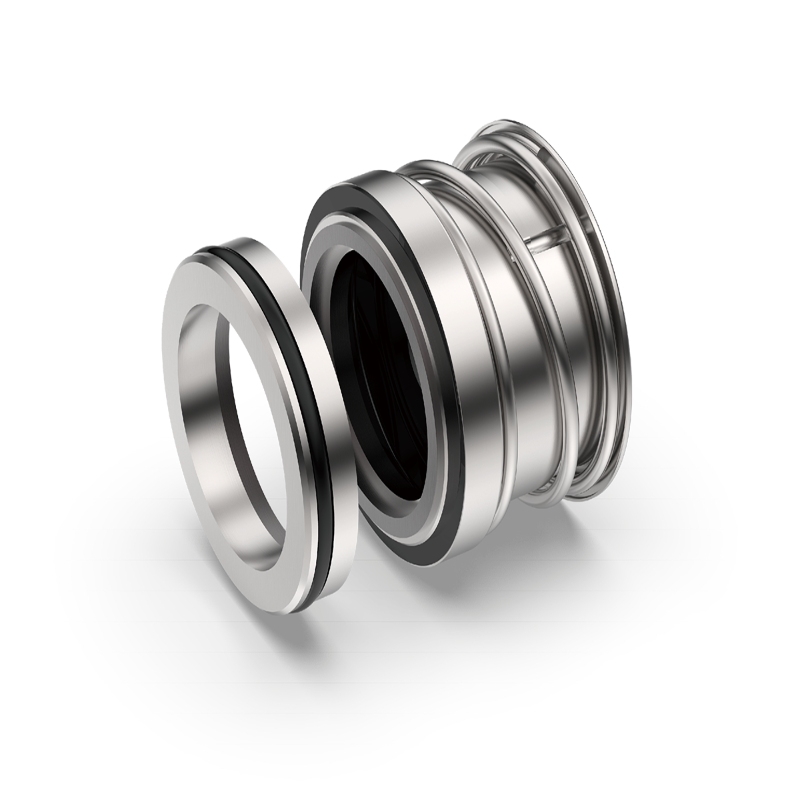
Some examples of seal face materials are SiC, tungsten carbide, and carbon graphite. Seal secondary elements such as O-rings, gaskets, bellows, etc. are made from PTFE, FKM, and FFKM. Such materials must not be compared to one another since they do not serve the same purpose.
A good decision-making process involves picking the seal faces first, then making sure the secondary seals are compatible, reviewing metal components, springs, flushing, cooling, and space availability. One common mistake in purchasing is replacing just the face material without replacing the O-ring or the metal part that is not compatible with it.
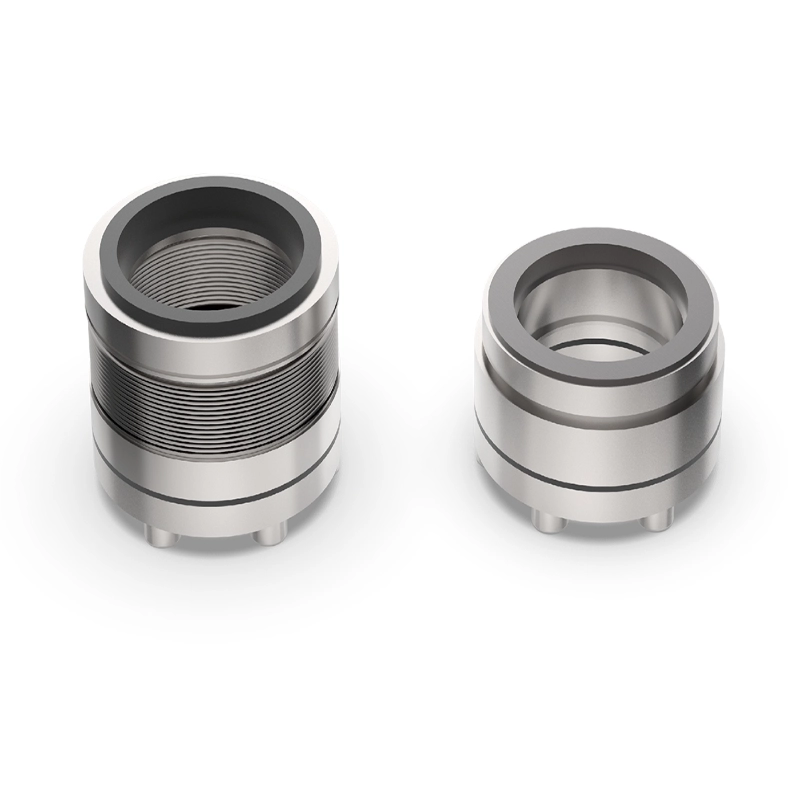
Seal face material affects wear resistance, heat generation, chemical resistance, and service life. For chemical pumps, the right choice depends on both corrosion and mechanical stress.
Carbon graphite may be suitable for clean or moderately aggressive liquids where lubrication is stable and abrasive solids are limited. It is often considered when the medium allows a stable film between the rotating and stationary faces.
It is less suitable when the pump handles hard particles, crystallizing chemicals, poor-lubricating media, or frequent dry-running conditions. In those cases, carbon faces may show scoring, chipping, heat marks, or rapid wear. Buyers should confirm whether the previous failure involved face damage before reordering the same material.
Silicon carbide seals are often recommended for corrosive, abrasive, high temperature, or chemical-laden environments. The material is well known for being hard, resistant to wear, and corrosion-resistant, and hence it is a common choice in tough chemical pumps.
But one needs to confirm the specific grade of silicon carbide used because reaction bonded silicon carbide and sintered silicon carbide may have different characteristics in strong acid environments, strong alkaline conditions, and high temperature chemicals. When quoting for your requirements, please give the chemical name, concentration, temperature, solid content, and any pictures of the failed seals.
Tungsten carbide mechanical seal faces may be considered when the pump faces vibration, shock load, higher pressure, or heavy-duty operation. It can offer toughness and mechanical strength in demanding service.
It is not automatically the better choice for all chemical pumps. In strongly corrosive media, silicon carbide may be more suitable depending on the fluid and operating conditions. If the previous seal failed with uneven wear, broken faces, or noise, the buyer should also check shaft runout, bearing condition, gland tightening, and pump vibration before selecting a harder face pair.
Secondary seal materials matter because many chemical pump failures do not start at the seal faces. O-rings, gaskets, and bellows can swell, harden, crack, or lose elasticity when the material is not compatible with the medium.
FKM is widely used in many chemical pump seal applications because it can handle a range of oils, fuels, and chemical environments. It may be suitable when the medium, temperature, and concentration are within the material’s compatibility range.
It should not be treated as a universal solution. Certain solvents, amines, ketones, strong acids, or strong alkalis may require a different secondary seal material. If the failed seal shows swollen or hardened O-rings, chemical compatibility should be checked before purchasing another FKM-equipped seal.
PTFE offers broad chemical resistance and may be useful when conventional elastomers are not compatible with the process liquid. However, PTFE has different elasticity and sealing behavior from rubber-like materials, so the seal structure must match the application.
FFKM may be considered for aggressive chemicals, high temperature, or high-value processes where standard elastomers create repeated leakage risk. Its use should be justified by the operating environment, cost, lead time, and failure consequence. The selection should be confirmed by the actual medium, temperature, pressure, and seal design.
Wrong material selection can create visible leakage, but the real cause is often found after disassembly. A failed chemical pump mechanical seal should be inspected before the next purchase.
Scoring, grooving, chipping, glazing, or thermal cracking of the seal faces is caused by abrasive wear, improper lubrication, dry running, inappropriate choice of faces, or too high loads on the faces. Without diagnosing the problem of the pump, replacement of the seal will just repeat the previous sequence of events.
Next it is important to diagnose if the pump operates under constant conditions of flow, the cleanliness of the seal chamber, need for flushing or cooling, and the compatibility of chosen face combination to the fluid and solids content.
The problem could be that the seal faces are suitable, but the O-rings are swollen, cracked, hard, or misshapen due to incompatibility of the secondary seal material. Corrosion in springs, sleeves, and metal components suggests that it is the metal material which is causing the problem rather than just the face material.
For ordering replacement seals, you need to include photographs of the seals that are damaged along with the dimensions of the seals, pump type, shaft diameter, operating information, and leak record. This gives the supplier enough evidence to judge whether the issue is material, structure, installation, or process condition.
| Chemical Pump Condition | Face Material Direction | Secondary Seal Direction | Confirm Before Purchase |
| Corrosive acid or alkali | Silicon carbide may be considered | PTFE or FFKM may be required | Chemical name, concentration, temperature |
| Abrasive chemical liquid | Hard face pair such as SiC/SiC may be considered | FKM, PTFE, or FFKM by compatibility | Particle size, solids, flushing condition |
| Vibration or shock load | Tungsten carbide may be considered | Based on medium compatibility | Shaft runout, bearing condition, pressure |
| Crystallizing media | Hard face and anti-clogging design may be needed | PTFE or FFKM if compatible | Crystallization, shutdown frequency, flushing |
| Hazardous or high-value fluid | Material and seal structure should be reviewed together | Higher-grade secondary seals may be considered | Leakage risk, safety requirement, seal type |
A chemical pump mechanical seal supplier should not quote only from a shaft size or old model number. The supplier should ask about the medium, concentration, temperature, pressure, corrosion, particles, installation space, failure history, and whether drawings or samples are available.
For buyers comparing pump mechanical seals, the RFQ should include pump model, shaft diameter, seal chamber dimensions, medium data, operating temperature, pressure, speed, old seal photos, leakage symptoms, quantity, and delivery requirement. For a broader product review, Xinyoumi’s mechanical seal products can be used to compare pump seals, reactor seals, and auxiliary sealing options.
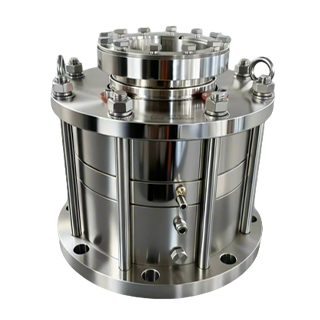
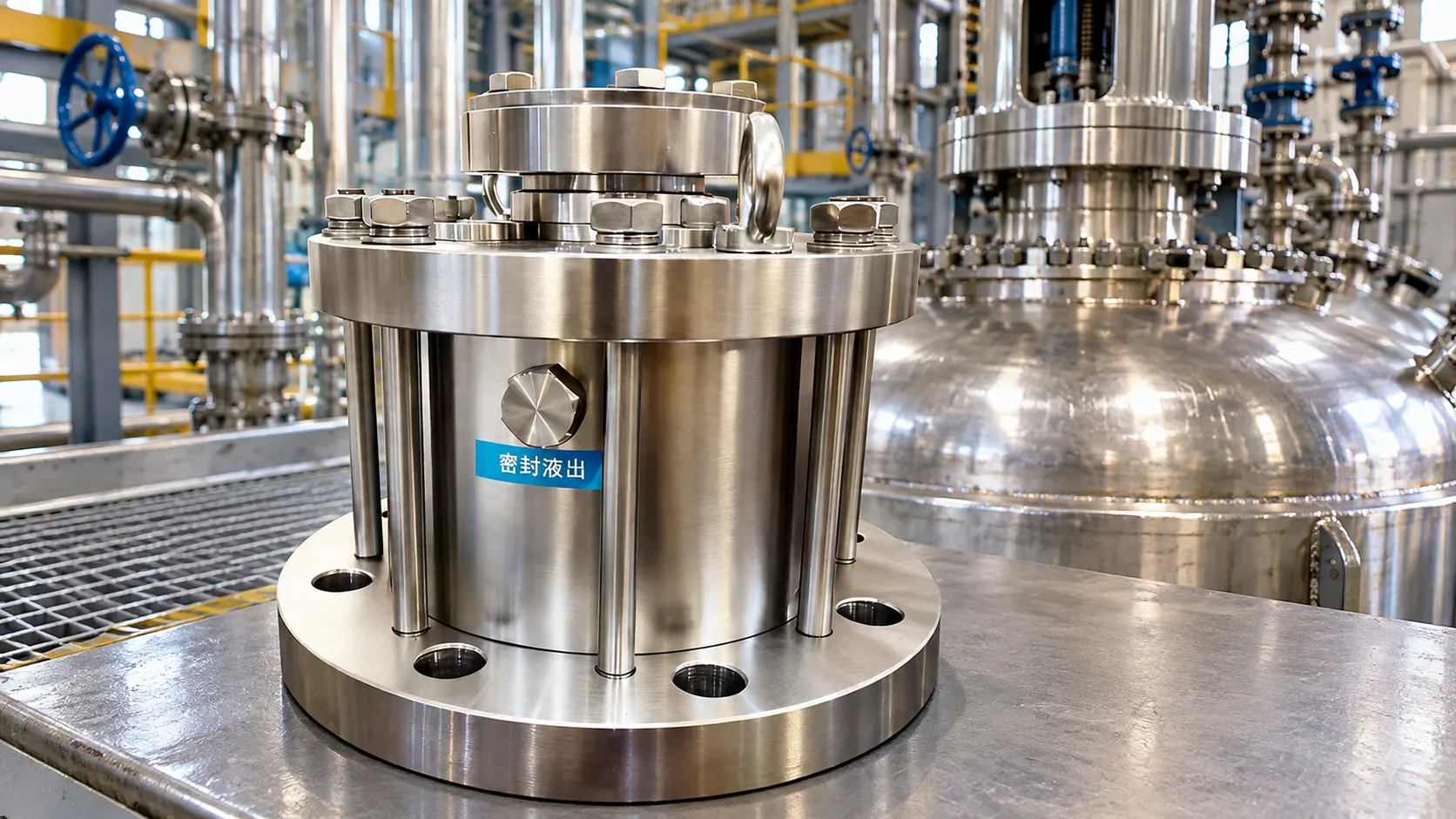
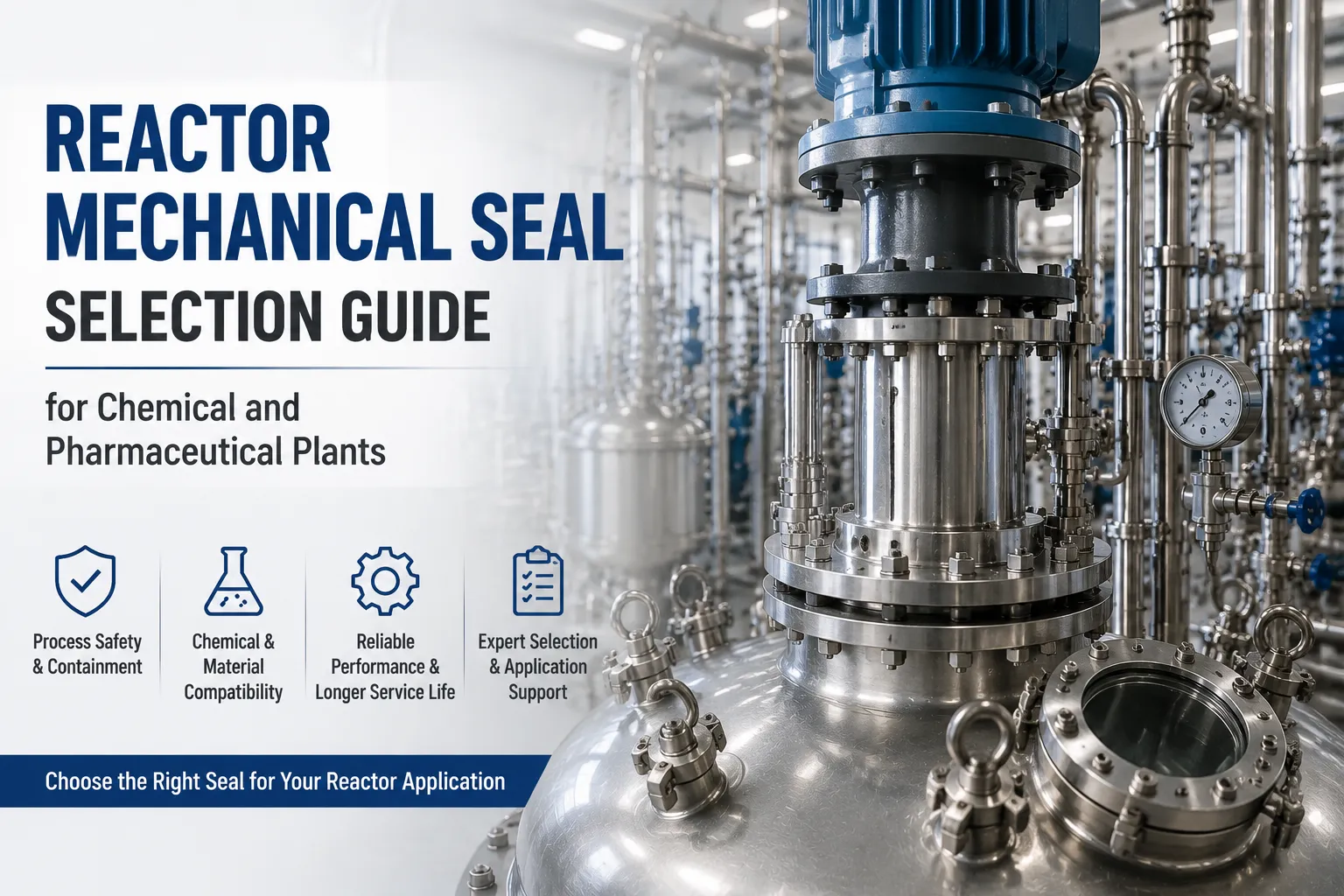
Kunshan Xinyoumi Mechanical Seal Technology Co., LTD supplies industrial mechanical seals for pumps, reactors, mixers, agitators, and auxiliary sealing systems. Buyers evaluating an industrial mechanical seal manufacturer should look for application-oriented material selection, modular design, replacement support, and practical communication before confirming a standard or custom seal.
The suitable mechanical seal material for a chemical pump depends on the medium, concentration, temperature, pressure, abrasion, crystallization, shaft condition, and seal structure. Silicon carbide, tungsten carbide, PTFE, FKM, and FFKM all have useful roles, but they must be selected according to the actual service conditions.
For replacement or custom chemical pump seal selection, buyers can prepare the pump model, shaft diameter, working conditions, drawings, samples, damaged seal photos, target quantity, and application notes, then contact Xinyoumi for a material and seal structure review.
Q1: What is the best mechanical seal material for chemical pumps?
A: There is no single best material for all chemical pumps. The right choice depends on the chemical medium, concentration, temperature, pressure, solids, crystallization, and seal design.
Q2: Is silicon carbide better than tungsten carbide for chemical pump seals?
A: Silicon carbide may be more suitable for corrosive or abrasive chemical media. Tungsten carbide may be considered when vibration, shock load, or heavy-duty mechanical stress is more important.
Q3: When should PTFE, FKM or FFKM be used in a mechanical seal?
A: FKM may suit many common chemical applications, but compatibility must be checked. PTFE may be used when broader chemical resistance is needed. FFKM may be considered for aggressive chemicals, high temperature, or high-risk leakage conditions.
Q4: Why does my chemical pump mechanical seal fail repeatedly?
A: Repeated failure may come from wrong material selection, dry running, poor lubrication, abrasive particles, crystallization, O-ring swelling, metal corrosion, vibration, shaft runout, or installation error.
Q5: What information is needed for a chemical pump mechanical seal quotation?
A: A useful quotation request should include pump model, shaft diameter, seal chamber size, medium name, concentration, temperature, pressure, speed, solids content, existing seal photos, drawings or samples, quantity, and delivery requirement.