Nullam dignissim, ante scelerisque the is euismod fermentum odio sem semper the is erat, a feugiat leo urna eget eros. Duis Aenean a imperdiet risus.
Nullam dignissim, ante scelerisque the is euismod fermentum odio sem semper the is erat, a feugiat leo urna eget eros. Duis Aenean a imperdiet risus.
 author
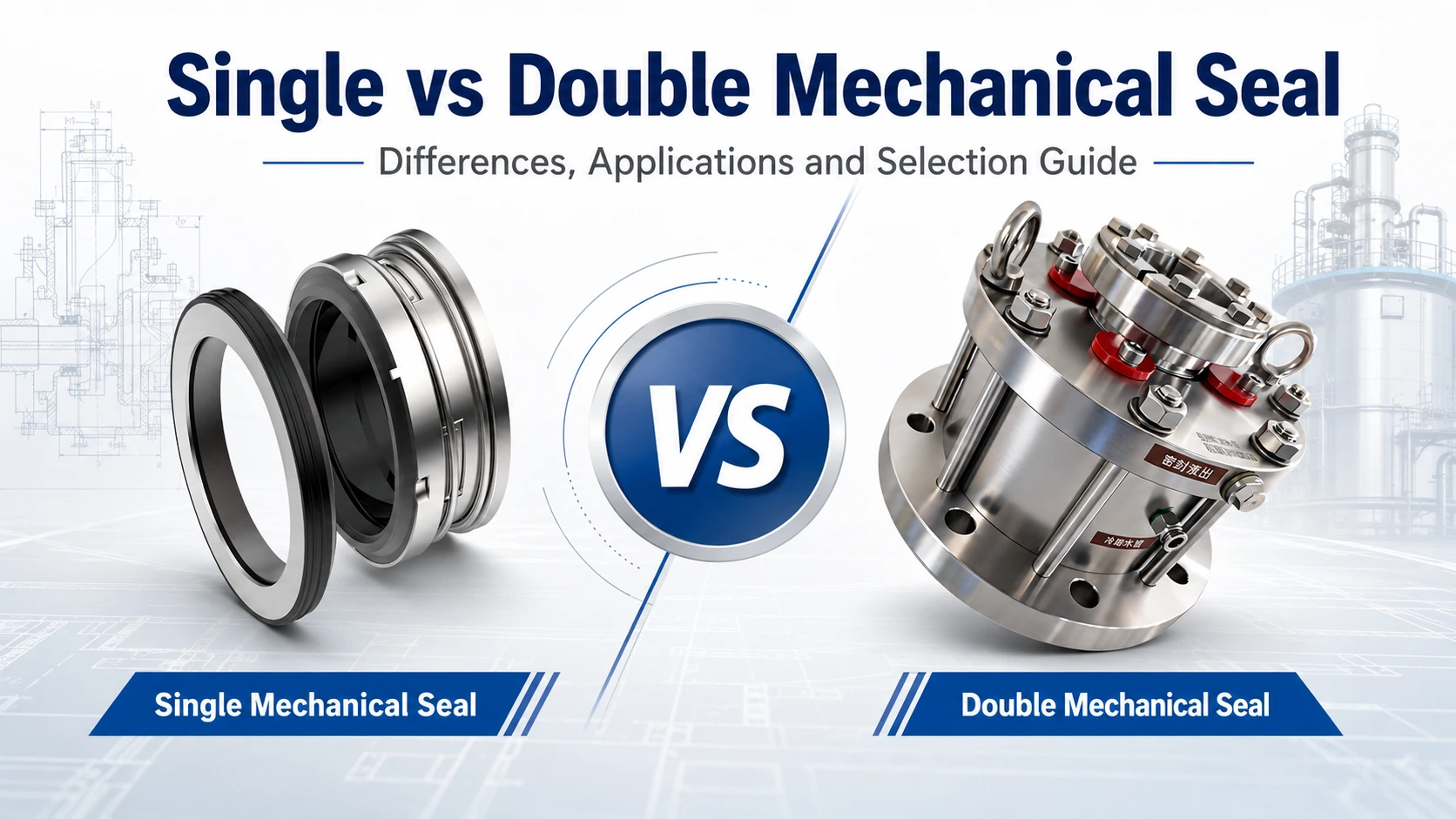
The issue of choosing between single and double mechanical seal does not have to do simply with cost considerations. In terms of business-to-business buying, engineering decisions, maintenance and manufacturing of machinery, the key consideration is whether the process fluid, operation and risk of leakage demand a basic sealing system or a more protective one using a double seal configuration.
A single mechanical seal is usually suitable for clean, non-hazardous and relatively stable fluids where minor leakage risk can be managed. It is often selected for water, light oils, neutral liquids and general process fluids when pressure, temperature, viscosity and shaft movement are within the seal design range.
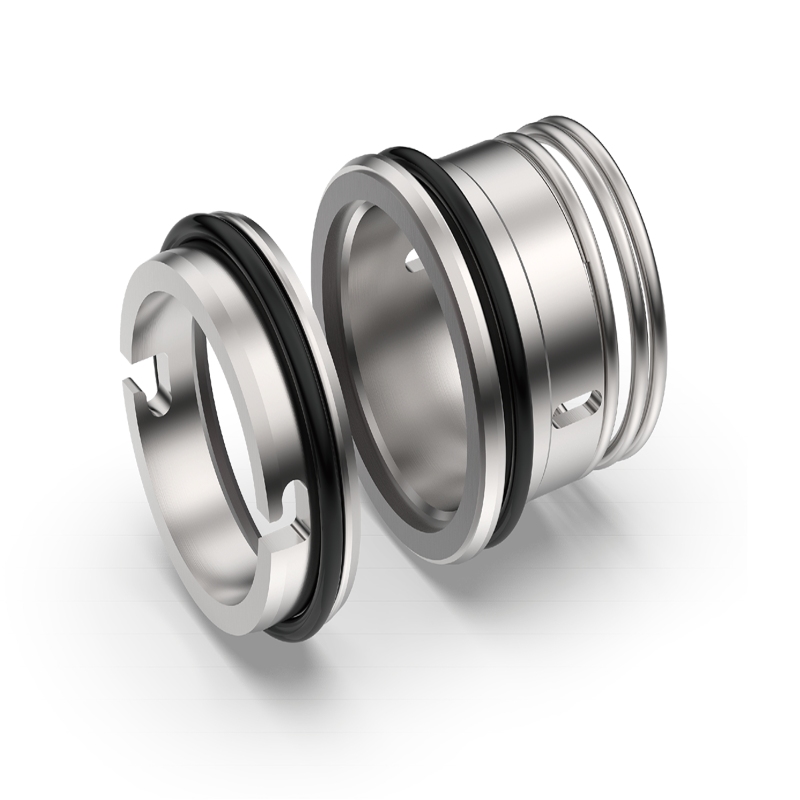
For standard pump applications, buyers can review available pump mechanical seals when the operating condition is conventional and the main goal is cost-effective replacement.
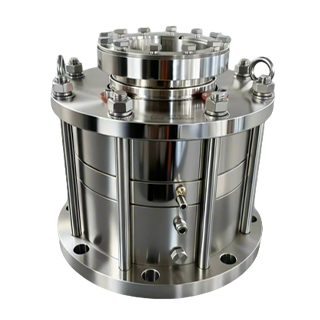
A double mechanical seal should be considered when the process medium is toxic, flammable, corrosive, volatile, crystallizing, abrasive, sticky, high-value or contamination-sensitive. It provides an additional sealing set and normally works with buffer fluid or barrier fluid to control leakage, improve lubrication and protect the seal faces.
| Application condition | More suitable option | Reason |
| Clean water, light oil, low-risk fluid | Single mechanical seal | Simpler structure and lower initial cost |
| Toxic, flammable or hazardous fluid | Double mechanical seal | Better leakage control and safer containment |
| Corrosive or abrasive medium | Double mechanical seal | Allows better protection of seal faces and support fluid selection |
| Sticky, crystallizing or polymerizing fluid | Double mechanical seal | Reduces the risk of face damage and product leakage |
| Product purity or contamination control required | Double mechanical seal | Helps separate process fluid from the atmosphere or support fluid |
| Cost-sensitive non-critical replacement | Single mechanical seal | Suitable when leakage risk and operating severity are low |
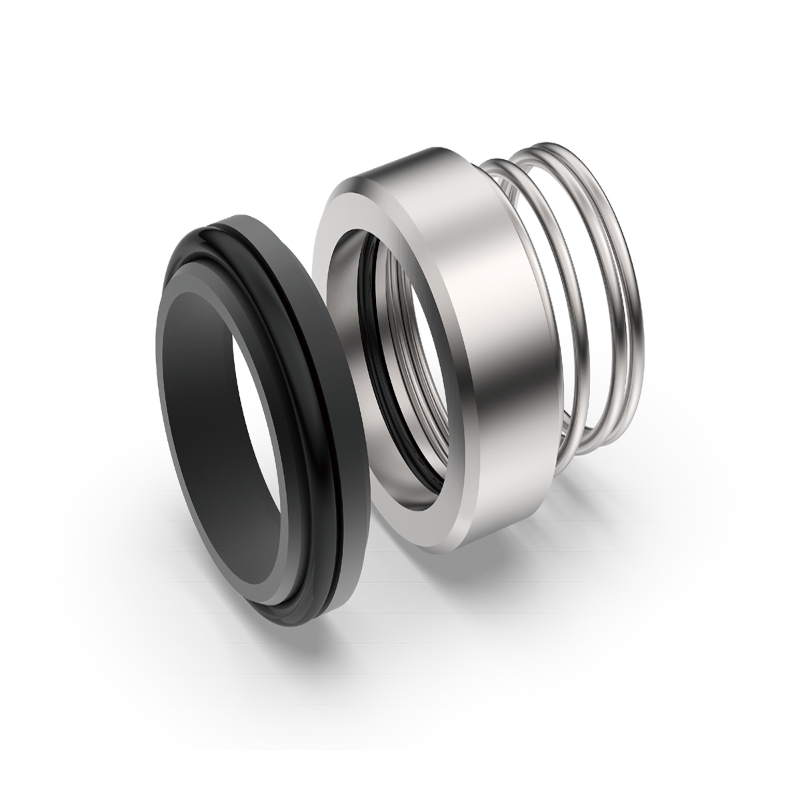
A single mechanical seal has one primary sealing interface between the rotating and stationary seal faces. The process fluid usually provides the thin lubricating film between the faces. If that film is lost because of dry running, vaporization, solids or poor lubrication, heat and wear can increase quickly.
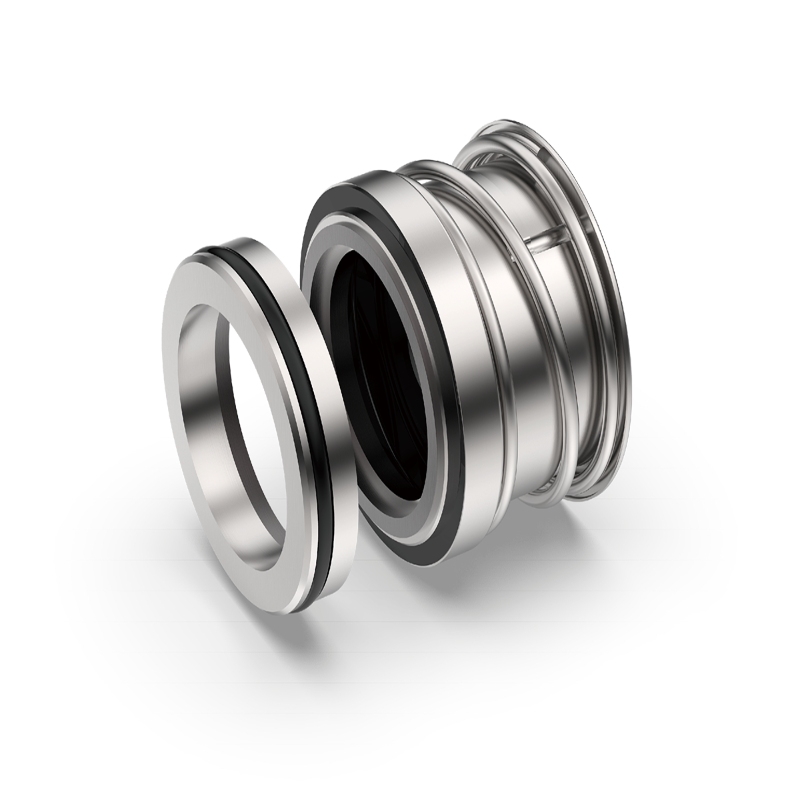
A double mechanical seal uses two sealing sets: an inboard seal close to the process fluid and an outboard seal on the atmosphere side. The space between them is filled with a compatible buffer or barrier fluid. This arrangement is used when the process fluid should not leak outward, or when the process fluid itself may damage the seal faces.
Single mechanical seals are simpler to mount and less expensive to start out with. Double seals involve more parts and possibly require additional hardware, but in many cases, double seals are a better option for vital machinery where leakage, cleanup, operator exposure, product loss or environmental risk is more valuable than the expense of upgrading the seal.
One mechanical seal is highly dependent upon the appropriate lubrication between the seal faces. Without sufficient liquid film or the pump is run dry, the faces overheat and wear. It is one of the reasons why a seal may break down quickly after its installation despite having an appropriate model.
Particles, crystals, fibers, sticky solids in the media could damage the seal faces, hinder spring action or increase friction. In such cases, replacement of the single seal will not be enough to resolve the problem. The customer should determine whether flushing, filtration, harder materials for seal faces or double seals are needed for the process.
For hazardous or volatile fluids, leakage is not only a maintenance issue. It may involve safety, odor, environmental compliance and product loss. If leakage cannot be accepted, a single mechanical seal may be too risky even when it fits the shaft size and installation space.
A double mechanical seal is commonly selected for fluids that should not escape into the atmosphere. This includes toxic solvents, flammable chemicals, hazardous intermediates and process media that create safety or environmental concerns.
Corrosive media may attack metal components or elastomers. Abrasive slurry can wear faces and sleeves. Sticky or crystallizing media may clog the seal area. In these cases, seal selection should include material compatibility, face pairing, auxiliary sealing materials and whether a barrier or buffer fluid is needed.
In pharmaceutical, food, specialty chemical and new energy materials applications, the main concern may not be only leakage outward. Buyers may also need to prevent external contamination, grinding debris or support fluid from entering the product. A double mechanical seal can be part of a controlled sealing strategy, but the final design should be verified against the specific process and cleaning requirements.
Harsh operating conditions can narrow the safety margin of a single seal. For reactors, mixers, slurry pumps and critical rotating equipment, pressure, temperature, shaft runout, vibration and axial movement should be reviewed together before choosing the sealing arrangement. For reactor applications, reactor mechanical seals may require different structures from pump seals because shaft movement and vessel conditions are different.
A buffer fluid is normally used in an unpressurized or lower-pressure arrangement. It helps lubricate and cool the outer seal and can collect small leakage from the inboard seal. This option may be suitable when the process can tolerate a controlled monitoring approach.
A barrier fluid is used at a higher pressure than the seal chamber. Its role is to create a protective fluid environment between the two seal sets. This can help prevent process fluid from reaching the atmosphere and may reduce damage to the inboard seal faces, depending on the arrangement.
Buffer or barrier fluid should not be chosen casually. It must be checked for compatibility with the process medium, seal face materials, elastomers, temperature range and plant safety rules. A wrong support fluid can cause swelling, corrosion, poor lubrication or contamination.
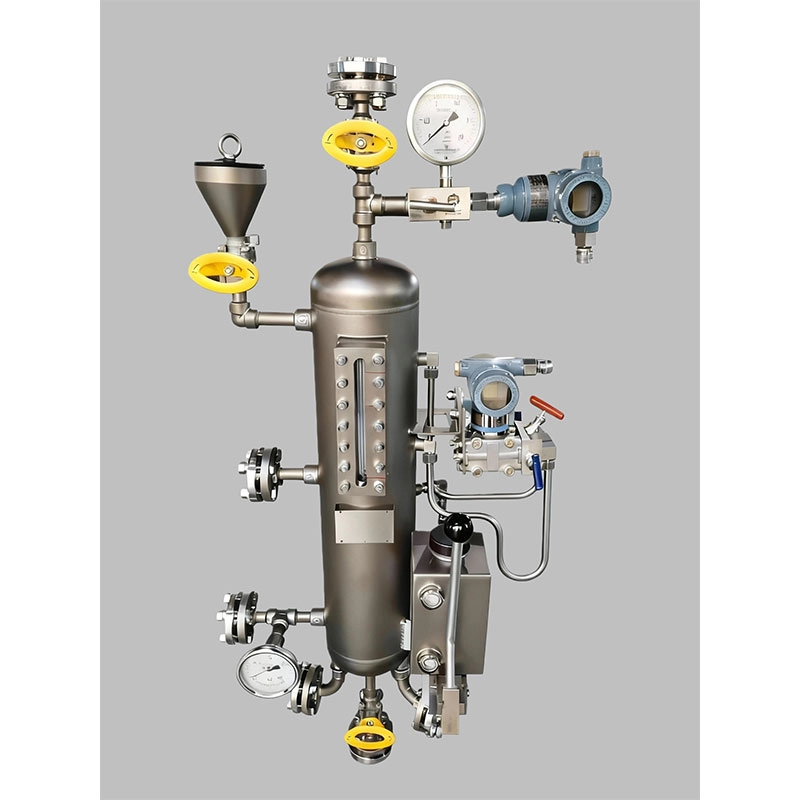
A double mechanical seal may require a tank, pressure control, cooling, flushing, circulation or monitoring device. Buyers dealing with higher-risk media should evaluate mechanical seal auxiliary equipment early, instead of treating it as an afterthought after the seal has already failed.
For pumps, the key inputs are medium type, suction condition, discharge pressure, temperature, speed, solids content and whether the pump may run dry. A clean water pump and a chemical slurry pump should not be treated as the same selection problem.
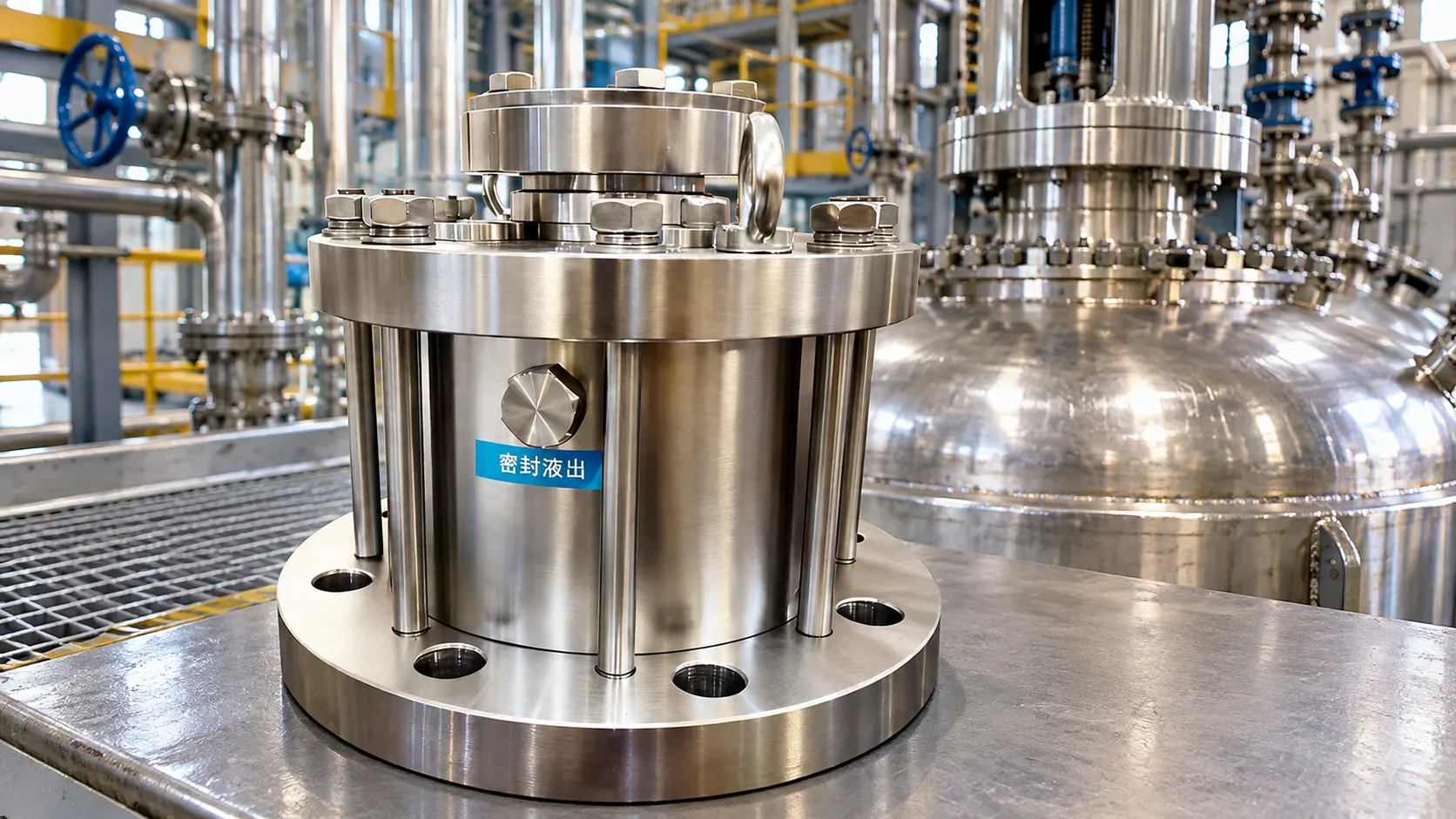
Reactor seals often face low-speed rotation, pressure fluctuation, temperature change, shaft deflection and strict leakage control. A double mechanical seal may be required when the process involves toxic gas, solvent vapor, corrosive material or high-purity product.
Mixers and agitators can create shaft swing, axial movement and uneven loading. Viscous, sticky or crystallizing media can make the sealing environment more difficult. The seal design should consider not only shaft diameter but also movement tolerance and cleaning requirements.
Auxiliary equipment should be considered when the seal needs flushing, cooling, pressurization, leakage collection or stable lubrication. This is especially important for double mechanical seal systems used in hazardous, hot, abrasive or contamination-sensitive service.
Start with the medium. If the fluid is clean and low-risk, a single seal may be enough. If it is toxic, flammable, corrosive, abrasive, volatile or crystallizing, a double seal should be evaluated.
Pressure, temperature and speed affect heat generation, face loading and material compatibility. These values should be checked against the seal specification, not estimated from a similar machine.
If small leakage can be managed safely, a single seal may be practical. If leakage creates safety, environmental, quality or cleanup problems, the decision should shift toward a double seal or a supported double seal system.
A single seal may reduce the first purchase cost, but repeated leakage, cleaning, shaft sleeve damage and emergency downtime can increase the total cost. Buyers should compare lifecycle cost, not only unit price.
The final decision should combine fluid risk, equipment type, operating severity, leakage tolerance and maintenance capability. When the application is unclear, the safer procurement route is to provide complete working conditions before ordering.
The supplier should know whether the seal is for a pump, reactor, mixer, agitator, dryer or other rotating equipment. Shaft diameter, seal chamber dimensions and installation space are essential.
Provide the fluid name, concentration, solids content, viscosity, corrosiveness, crystallization risk and whether the medium is toxic or flammable. This information directly affects face material, elastomer and single or double seal selection.
Working pressure, temperature, shaft speed and possible fluctuations should be included. If these values vary during startup, shutdown or cleaning, those conditions should also be stated.
For replacement projects, the existing seal model, drawing, damaged seal photos and equipment nameplate can reduce selection errors. Failure photos are also useful when leakage, overheating, abnormal wear or broken parts are the main reason for replacement.
Procurement teams should include target quantity, required delivery schedule, preferred material, documentation needs and any special packaging or inspection requirements. For buyers comparing mechanical seal products, this helps separate a general quotation from an application-based selection.
A qualified supplier should ask about the medium, pressure, temperature, speed, equipment type, leakage tolerance and failure history. A quotation based only on shaft diameter may be insufficient for demanding industrial service.
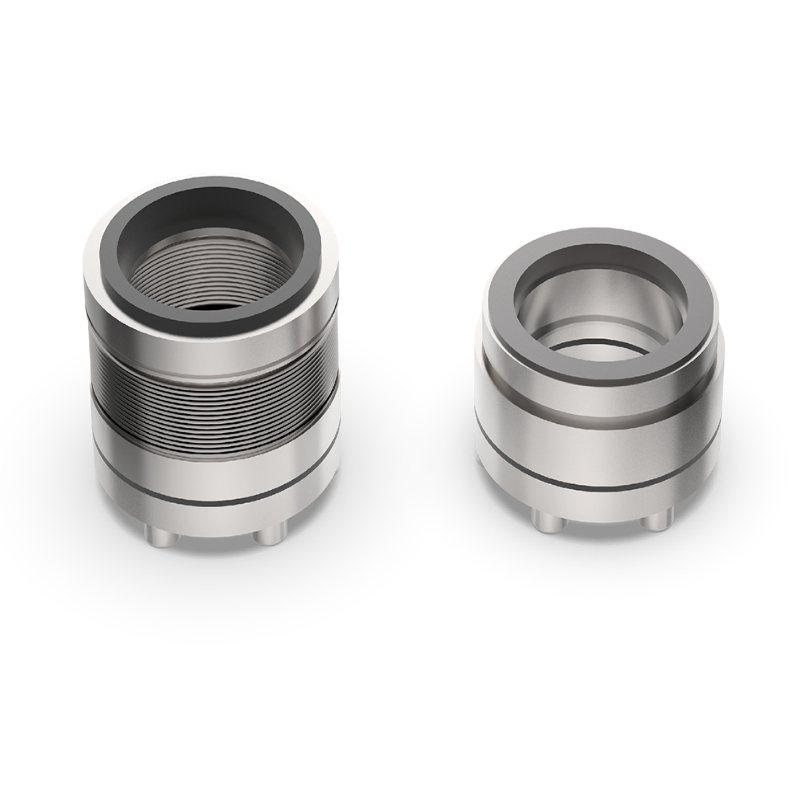
Mechanical seal selection varies by equipment. Xinyoumi supplies mechanical seals for pumps, reactors and sealing auxiliary systems, with applications covering industries such as petrochemical, pharmaceutical, food and new energy. This equipment range is useful when buyers need one supplier to evaluate different rotating machines within the same plant.
Industrial sealing problems often require more than a standard catalog item. Material selection may vary by corrosion, abrasion, temperature, cleaning method and operating environment. Xinyoumi uses modular mechanical seal designs for different customer requirements, which can support replacement and customized selection when the original application is not standard.
For maintenance teams, supplier support should include checking replacement dimensions, reviewing drawings, confirming material compatibility and recommending auxiliary equipment where needed. This reduces the risk of ordering a seal that fits mechanically but fails under real operating conditions.
A useful quotation should identify the seal type, major material choices, applicable equipment, required auxiliary system if any, and the assumptions behind the selection. Buyers should avoid vague offers that do not mention the working condition.
For a practical selection, prepare the equipment type, shaft size, medium, temperature, pressure, speed, current seal model, drawing, photos, failure description and target quantity. Xinyoumi can review these details through contact Xinyoumi and provide selection support based on the submitted conditions.
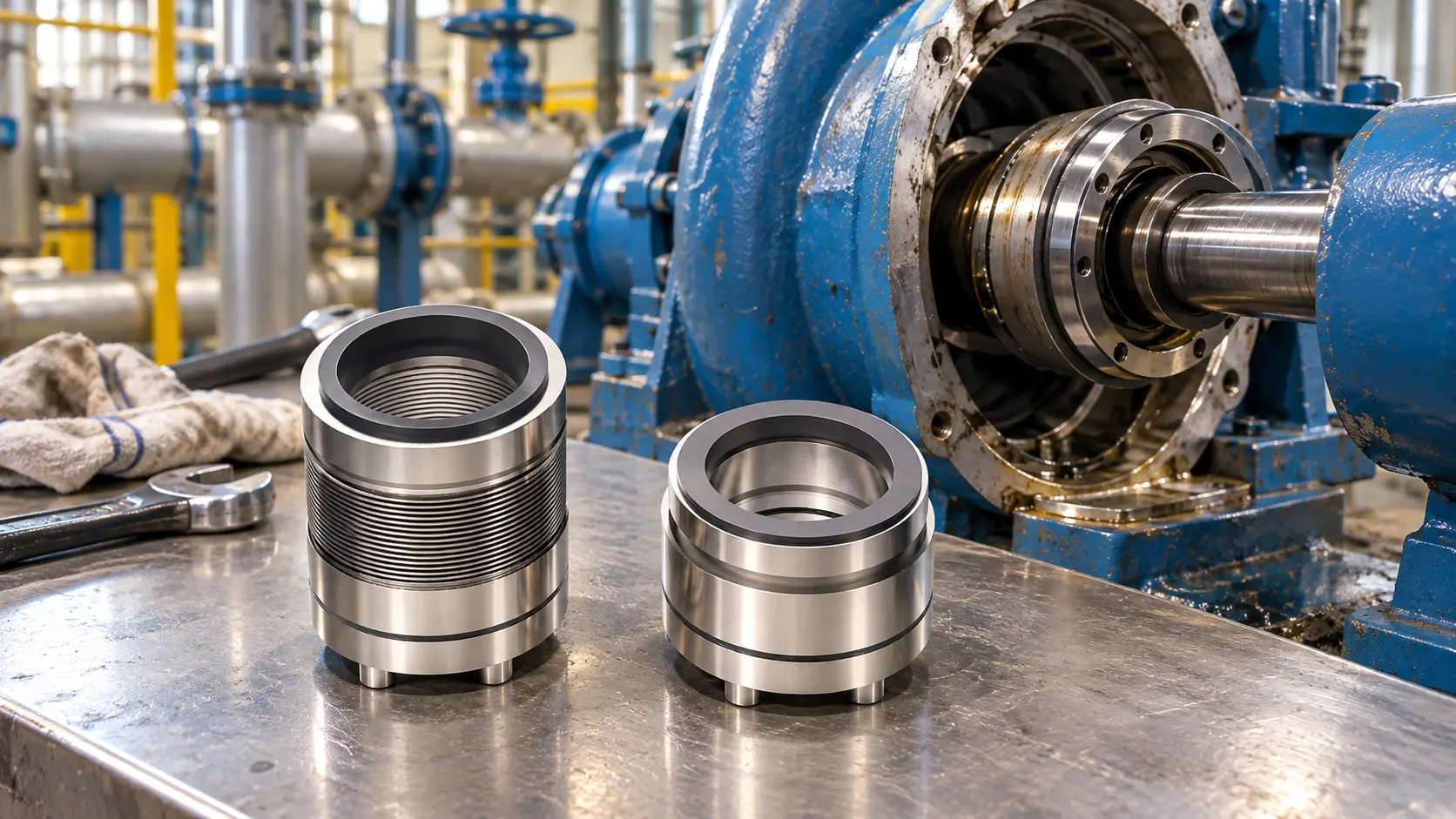
For clean fluids, chemical liquids, slurry service or general industrial pump replacement, review pump seal options and match the model to the actual medium and operating condition.
For vertical reactors, glass-lined reactors, steel reactors, mixers and special material vessels, check whether the application requires single-end, double-end, dry-running or auxiliary-supported sealing.
For double mechanical seal systems, auxiliary equipment may be needed for pressure control, cooling, flushing or barrier fluid circulation. This should be evaluated together with the seal, not after the purchase.
A single mechanical seal is usually the practical choice for clean, low-risk and cost-sensitive applications. A double mechanical seal is more suitable when leakage, hazardous media, corrosion, abrasion, crystallization, product purity or critical equipment operation creates higher risk. The right decision depends on the complete operating condition, not only the shaft size or seal price.
Before purchasing or replacing a mechanical seal, prepare the equipment model, shaft size, medium, pressure, temperature, speed, material requirements, current seal photos, drawings, quantity and failure symptoms. This information helps the supplier judge whether a single seal, double seal or double seal with auxiliary equipment is the more suitable solution.
Q1: How do I know if I need a single or double mechanical seal?
A: Choose a single mechanical seal for clean, non-hazardous and moderate conditions where leakage risk is low. Choose a double mechanical seal when the fluid is toxic, flammable, corrosive, abrasive, sticky, crystallizing, volatile or contamination-sensitive.
Q2: Can a single mechanical seal be replaced with a double mechanical seal?
A: In some cases, yes, but it depends on the equipment structure, seal chamber space, shaft size, piping layout and support system requirements. The replacement should be checked against drawings, operating conditions and installation dimensions before ordering.
Q3: Does a double mechanical seal need barrier fluid?
A: Many double mechanical seal arrangements require buffer fluid or barrier fluid. The correct choice depends on whether the system is pressurized or unpressurized, the process medium, safety requirements and the selected auxiliary equipment.
Q4: Why does my mechanical seal keep leaking after replacement?
A: Repeated leakage may be caused by wrong material selection, dry running, poor installation, shaft runout, damaged seal faces, abrasive particles, incorrect spring compression or using a single seal in a condition that needs a double seal. Photos, drawings and operating data should be reviewed before replacing the same model again.
Q5: What should I send to a mechanical seal supplier for quotation?
A: Send the equipment type, shaft diameter, medium name and concentration, particle content, pressure, temperature, speed, existing seal model, drawings, photos, failure description, required quantity and delivery requirement. These details help the supplier recommend a suitable single or double mechanical seal.