Nullam dignissim, ante scelerisque the is euismod fermentum odio sem semper the is erat, a feugiat leo urna eget eros. Duis Aenean a imperdiet risus.

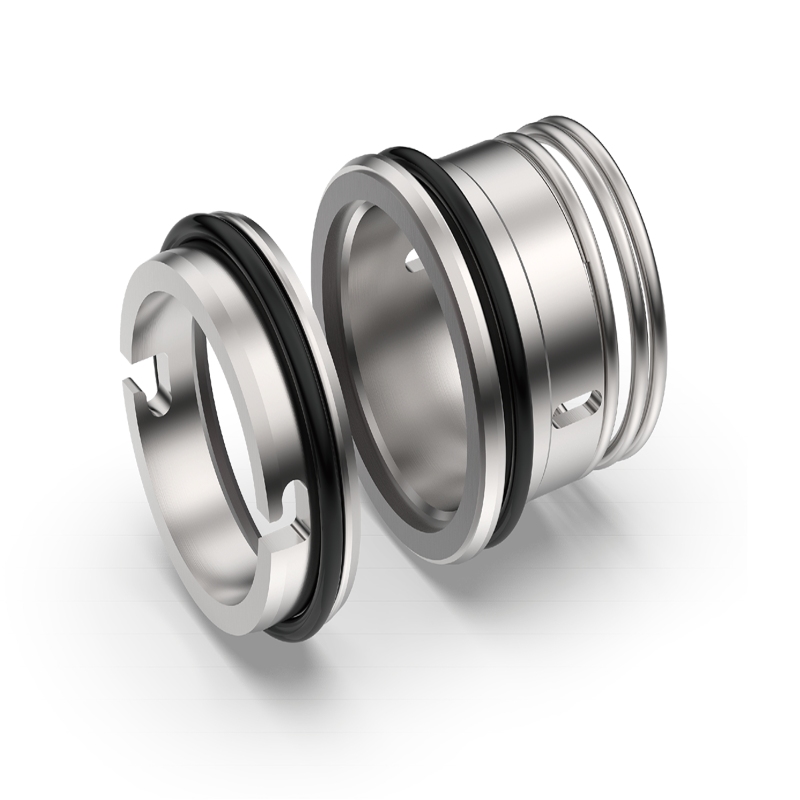
2025B 2025G
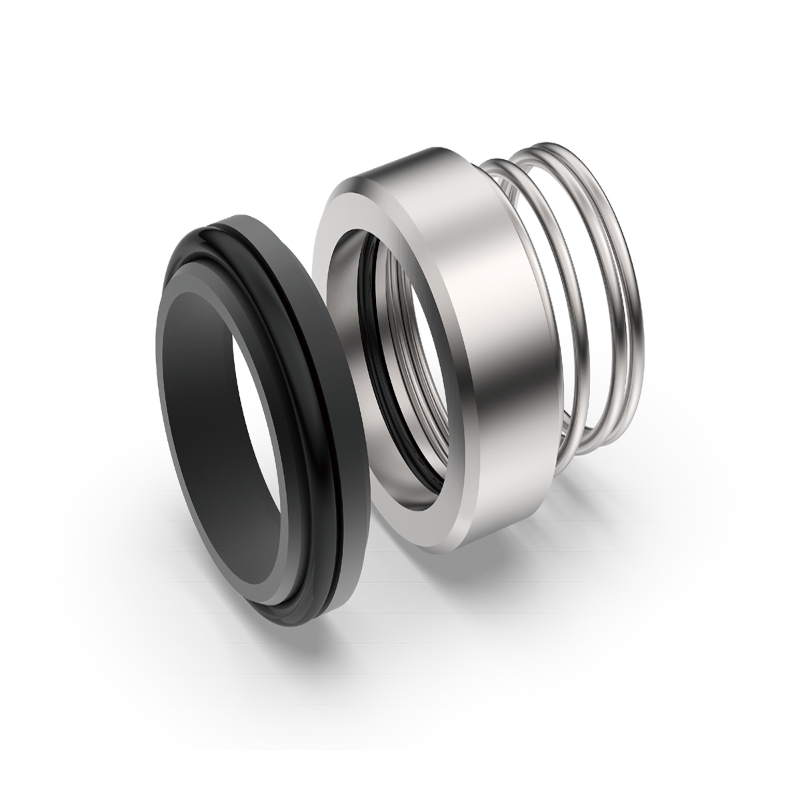
2025B 2025G

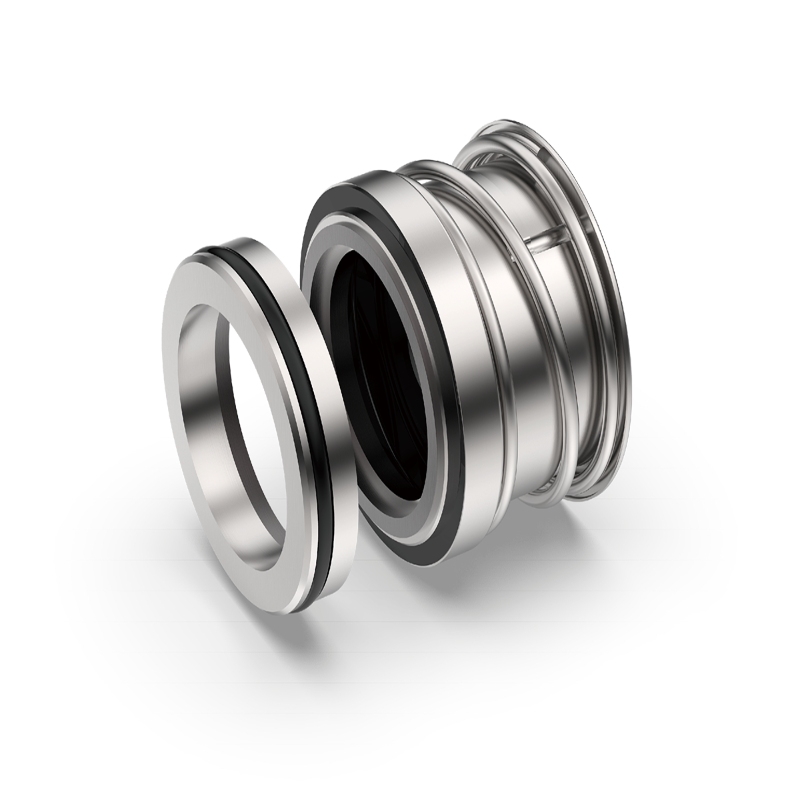
2025B 2025G

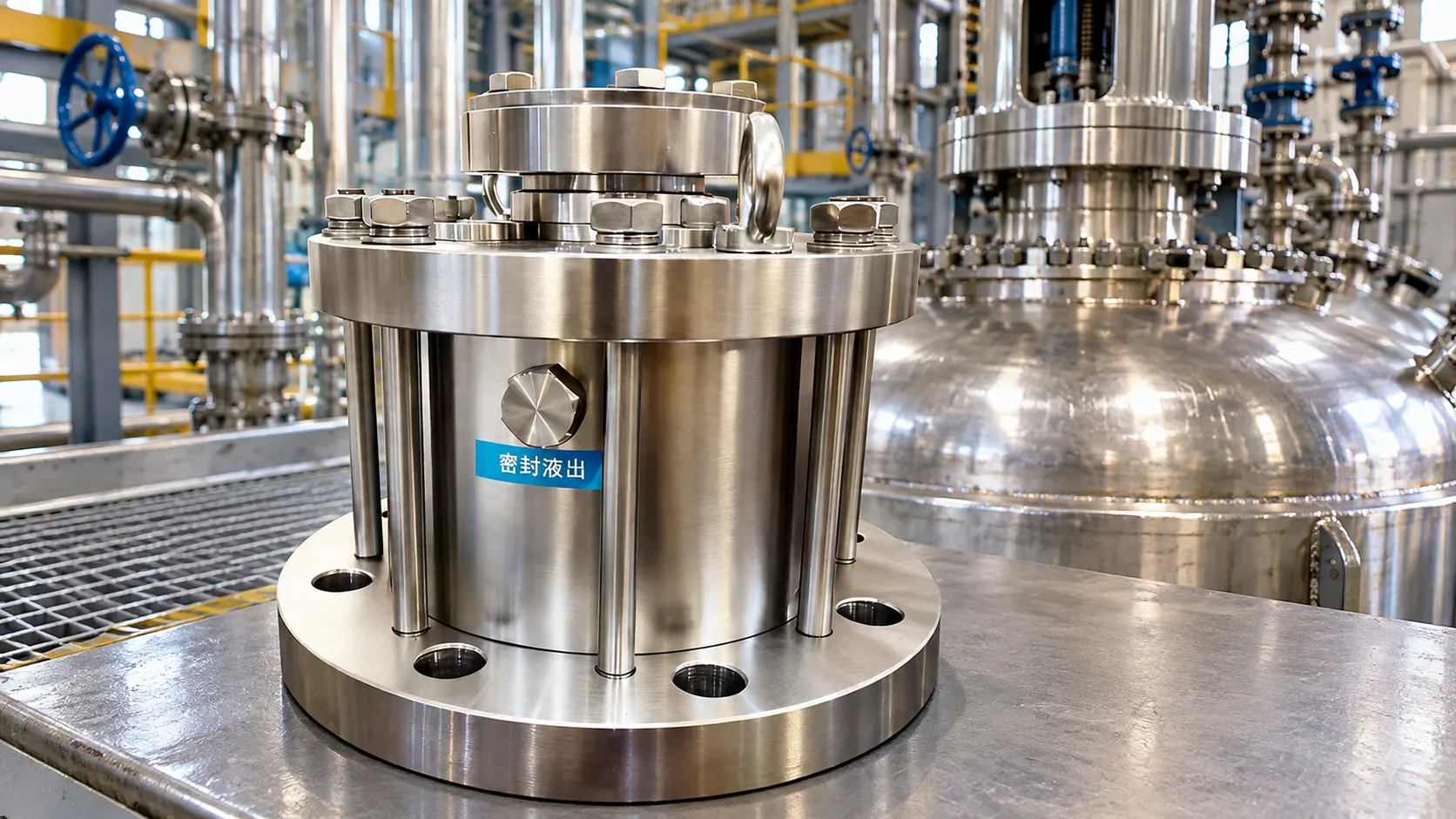
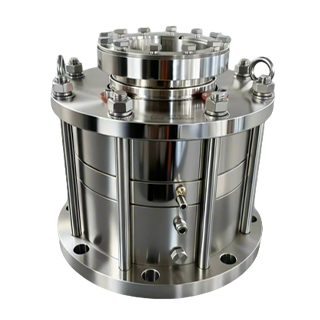
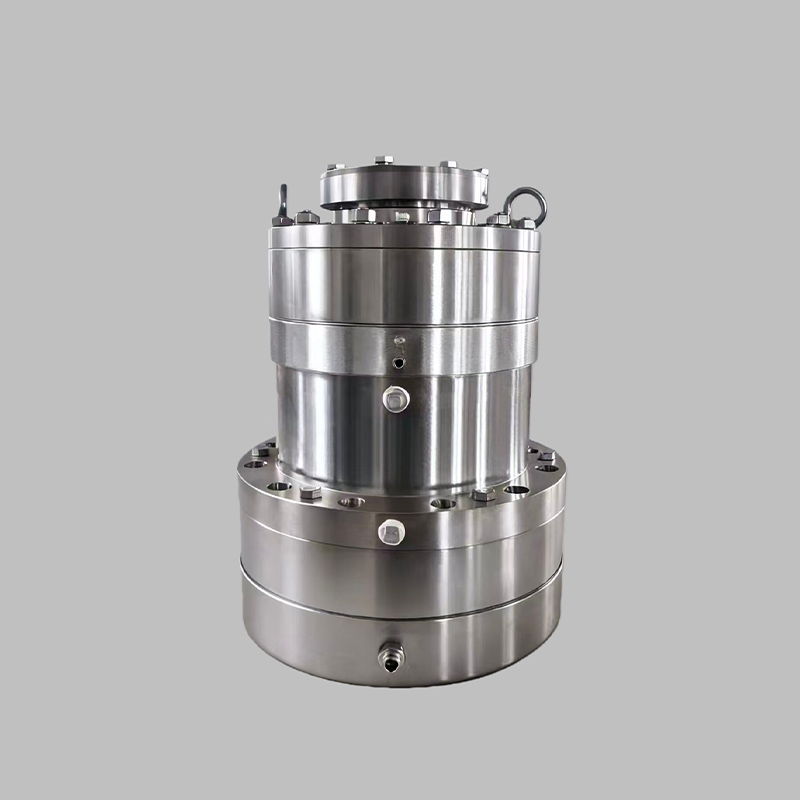
Suitable for medium-pressure steel reaction vessels.

Product features and advantages

High-pressure cartridge design; the bearing can serve as a fulcrum to adapt to radial forces.

Parameter

Medium Type Highly toxic / flammable / corrosive media, particle-containing / easy-crystallizing fluids
Pressure Range ≤ 1.6–4.0 MPa
Temperature Range -40 ~ 200 ℃ (cooling system required for high-temperature conditions)
Speed Limit ≤ 300 r/min (low-speed working condition for agitator shaft)
d D1 D0 D 1 L n Ø
030 70 145 175 100 340 6 14
040 80 170 200 110 350 6 18
050 100 210 240 120 360 8 18
060 120 235 270 120 380 8 18
080 146 260 295 130 400 8 22
090 170 280 315 130 410 8 22
110 200 325 365 130 420 8 22
120 259 360 430 140 450 12 27
150 312 430 480 140 485 12 33

Application areas/scenarios

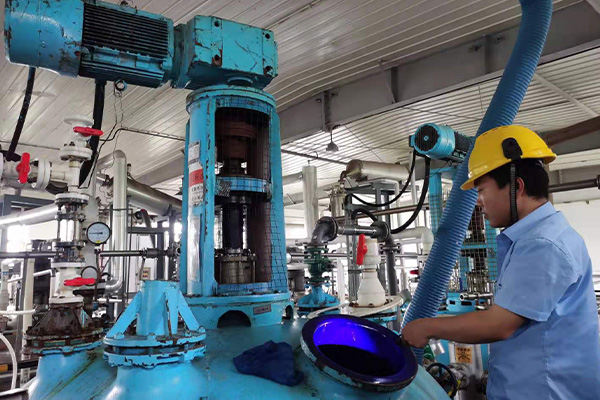
Chemical reaction vessel, pharmaceutical agitator, food mixing tank.

FAQ

  1. Leakage (most common issue)
  • Leakage at static sealing face: Check if the stationary seal gasket (O‑ring, V‑ring) is aged, deformed or mismatched in size. Replace it with a media‑resistant and temperature‑resistant gasket of the same specification. If the fit clearance between the stationary ring and the gland is too large, re‑machine or replace the stationary ring.
  • Leakage at dynamic sealing face: Inspect the sealing end faces of the rotating and stationary rings for scratches, wear or chipping. Minor scratches can be repaired by lapping; replace the seal rings directly if severely damaged. Also verify the spring compression: add gaskets if insufficient, reduce gaskets if excessive.
  • Leakage at shaft sleeve / shaft fit: Check for damage to the shaft sleeve gasket, or excessive fit clearance between shaft sleeve and shaft. Replace the gasket or re‑grind the shaft sleeve.
  1. Abnormal wear
  • Excessive end face wear: Install a filter if caused by particulate impurities in the medium. For insufficient lubrication, use self‑lubricating seals such as impregnated graphite rings, or introduce external flushing liquid (e.g. clean same medium).
  • Shaft sleeve wear: Replace the shaft sleeve with wear‑resistant material, and adjust the concentricity between the seal chamber and the shaft to avoid eccentric wear.
  1. Overheating and Burning
  • Excessively high temperature in seal chamber: Check if the cooling system is clogged and clean the cooling lines. If the medium temperature is inherently high, use high-temperature resistant seal materials (such as silicon nitride ceramic rings and fluororubber gaskets).
  • Poor end-face contact due to spring failure: Replace fatigued or corroded springs, select corrosion-resistant spring materials such as stainless steel, and ensure uniform spring compression.
  1. Vibration and Abnormal Noise
  • Misalignment: Recalibrate the concentricity between the pump shaft and motor shaft, and adjust the radial runout of the seal chamber and shaft to within allowable limits.
  • Loose parts: Check whether the gland bolts and drive pins are loose, tighten the bolts evenly to the specified torque, and replace worn drive pins.
  1. Short Service Life of Seals
  • Mismatch between material and medium: Replace seal materials according to medium characteristics (e.g., Hastelloy and PTFE for corrosive media; silicon carbide for high-temperature media).
  • Improper installation: Operate in strict accordance with installation specifications, avoid impact or scratches on the seal pair end faces, and ensure no impurities enter the seal chamber during installation.
PRODUCTS

PRODUCTS

View More
News

News

View More

28/ August

Top-Entry vs Side-Entry Agitator Mechanical Seals: Design Differences, Shaft Loads, Bearings and Selection

Compare top-entry vs side-entry agitator mechanical seals, including shaft loads, bearing support, seal selection, maintenance, and RFQ requirements.
Learn More
Top-Entry vs Side-Entry Agitator Mechanical Seals Design Differences, Shaft Loads, Bearings and Selection

27/ August

API Plan 52 vs Plan 53 for Dual Mechanical Seals: How to Choose the Right Buffer or Barrier Fluid System

Compare API Plan 52 vs Plan 53 for dual mechanical seals. Learn buffer vs barrier fluid, selection criteria, risks, retrofit checks, and RFQ tips.
Learn More
API Plan 52 vs Plan 53 for Dual Mechanical Seals How to Choose the Right Buffer or Barrier Fluid System

21/ August

Pump Mechanical Seal Replacement RFQ Checklist: What Data to Send Before Ordering

Use this pump mechanical seal replacement RFQ checklist to submit dimensions, operating data, failure photos, drawings, and purchasing requirements.
Learn More
Pump Mechanical Seal Replacement RFQ Checklist What Data to Send Before Ordering

20/ August

Cartridge vs Component Mechanical Seals for Pumps: Installation Risk, Downtime, Cost and Selection

Compare cartridge vs component mechanical seals for pumps by installation risk, downtime, retrofit fit, lifecycle cost, and supplier selection.
Learn More
Cartridge vs Component Mechanical Seals for Pumps Installation Risk, Downtime, Cost and Selection
What We Do

Services we Offer

No matter what your mechanical seal needs may be, we’re here to help. Contact us today to learn more about our
services and how we can assist you with all of your needs.
service4

One-Stop Service System

We are committed to providing clients with one-stop service throughout the entire project lifecycle, ensuring efficiency, reliability, and worry-free operation from selection to operation.
decorate
Looking for a trusted mechanical seal supplier for your global projects?

Contact Us

Our factory has extensive export experience, and our products meet ISO standards. We offer a one-stop service from product selection to after-sales support, including on-site installation guidance. Whether you need small samples or large orders, we can meet your needs. Send us an inquiry today to discuss your project details and get a sample quote.

    Your Name*

    Email*

    Tel*

    WhatsApp*

    Message*

    Products
    Contacts
    WhatsApp
    Email