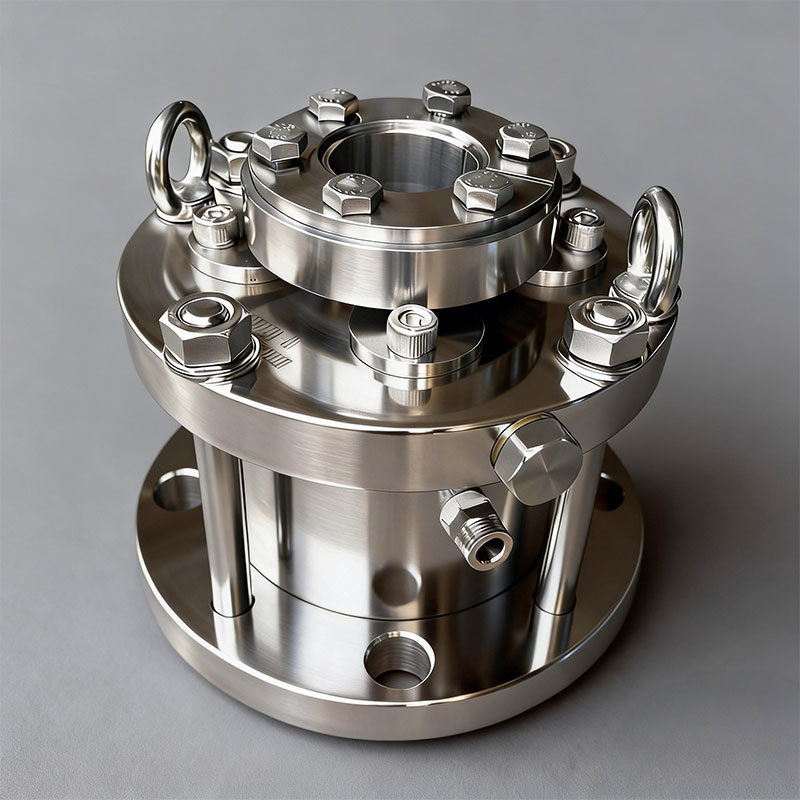
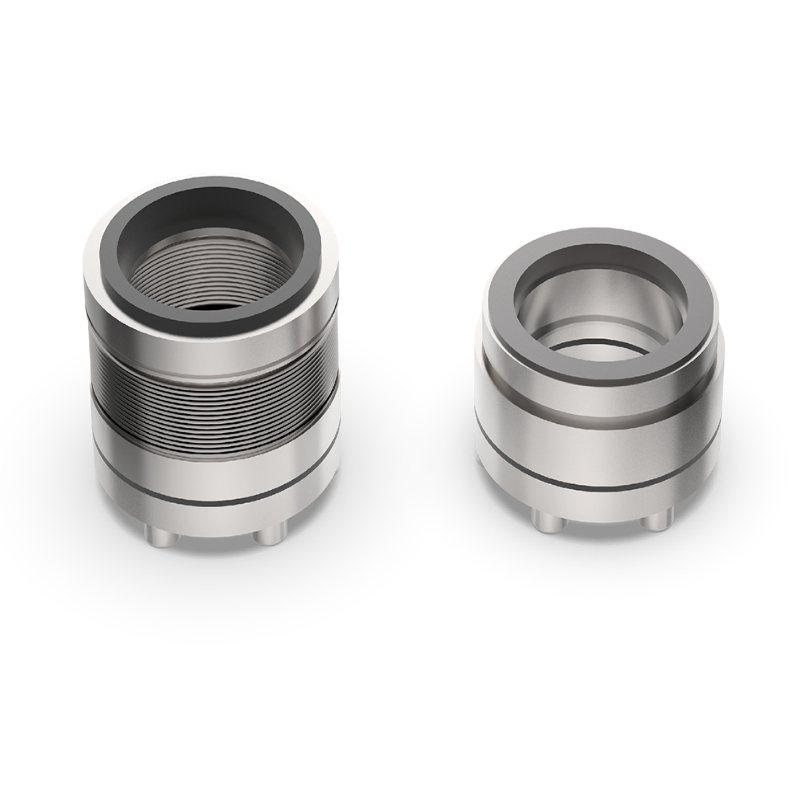
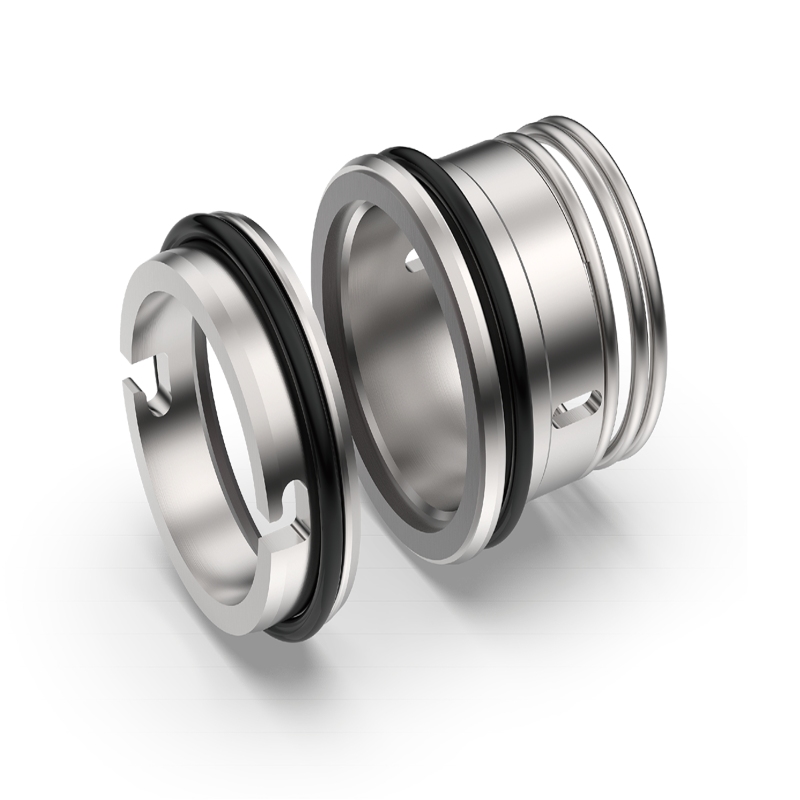
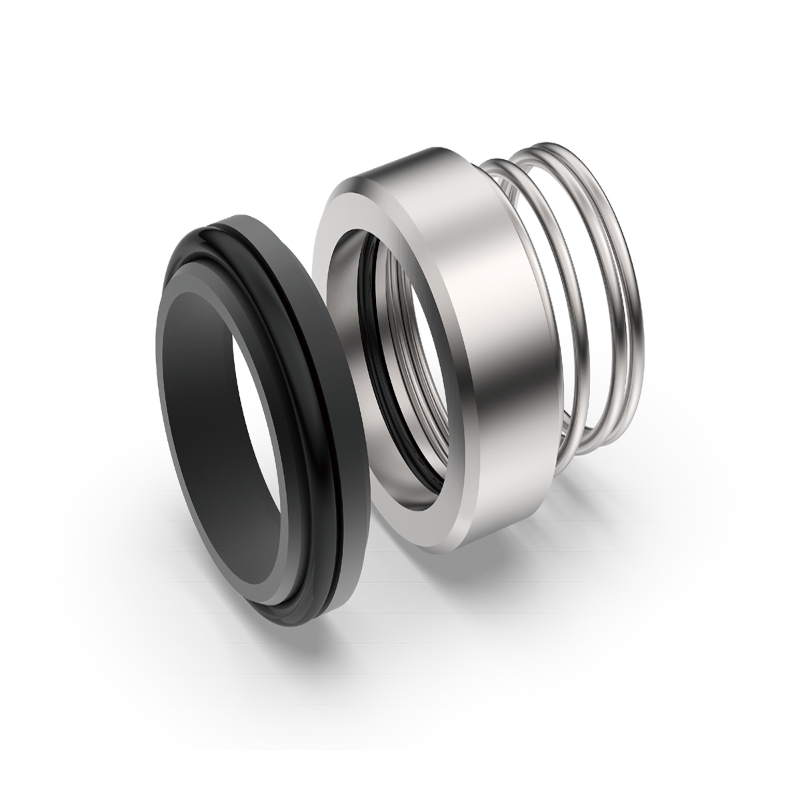
Product features and advantages
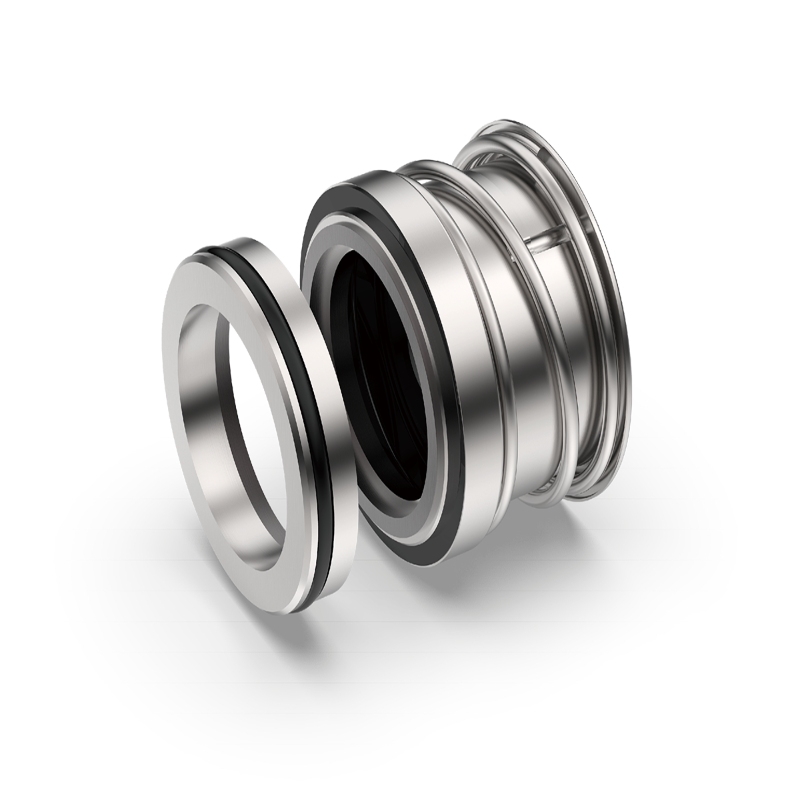
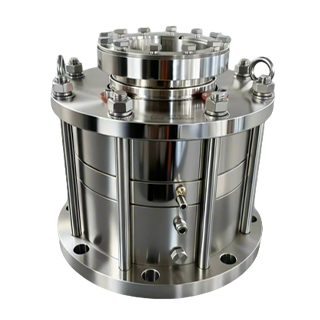
Cartridge structure with non-directional drive. Compact structure suitable for standard frames. Comprehensive consideration of the cooling system ensures a good operating environment for the seal. Bearing selection depends on frame conditions. Auxiliary device required for pressure exceeding 0.3 MPa. (Modular double-end mechanical seals for reactors 2020U, 2021U have been completely replaced.)
Parameter
| Design Pressure |
PN 0.1–1.6 MPa |
| Design Temperature |
-40 ~ 180 °C (320 °C)
Cooling water tank must be added when temperature exceeds 180 °C
Installation height increased by 80 mm |
|
Design Speed
|
<2m/s |
| Media |
Oil, water, weak acid, weak alkali, flammable, explosive and other working conditions |
| d |
d1 |
d2 |
d0 |
D |
L10 |
L1 |
L2 |
n-ф |
| 30 |
90 |
110 |
145 |
175 |
18 |
150 |
215 |
4-18 |
| 40 |
90 |
110 |
145 |
175 |
18 |
155 |
220 |
4-18 |
| 50 |
135 |
176 |
210 |
250 |
18 |
155 |
230 |
8-18 |
| 60 |
135 |
176 |
210 |
240 |
20 |
170 |
245 |
8-18 |
| 70 |
135 |
176 |
210 |
240 |
20 |
170 |
260 |
8-18 |
| 80 |
155 |
204 |
240 |
275 |
25 |
175 |
270 |
8-22 |
| 90 |
190 |
234 |
270 |
305 |
24 |
185 |
290 |
8-22 |
| 100 |
190 |
234 |
270 |
305 |
24 |
185 |
280 |
8-22 |
| 110 |
215 |
260 |
295 |
330 |
24 |
205 |
310 |
8-22 |
| 120 |
215 |
260 |
295 |
330 |
24 |
205 |
305 |
8-22 |
| 130 |
215 |
260 |
295 |
330 |
24 |
205 |
310 |
8-22 |
| 140 |
250 |
313 |
350 |
395 |
24 |
205 |
320 |
12-22 |
| 160 |
265 |
313 |
350 |
395 |
28 |
215 |
340 |
12-22 |
| 180 |
310 |
364 |
400 |
445 |
30 |
245 |
375 |
12-22 |
| 200 |
310 |
364 |
400 |
445 |
30 |
245 |
340 |
12-22 |
| 220 |
340 |
422 |
400 |
445 |
30 |
250 |
390 |
16-22 |
Application areas/scenarios
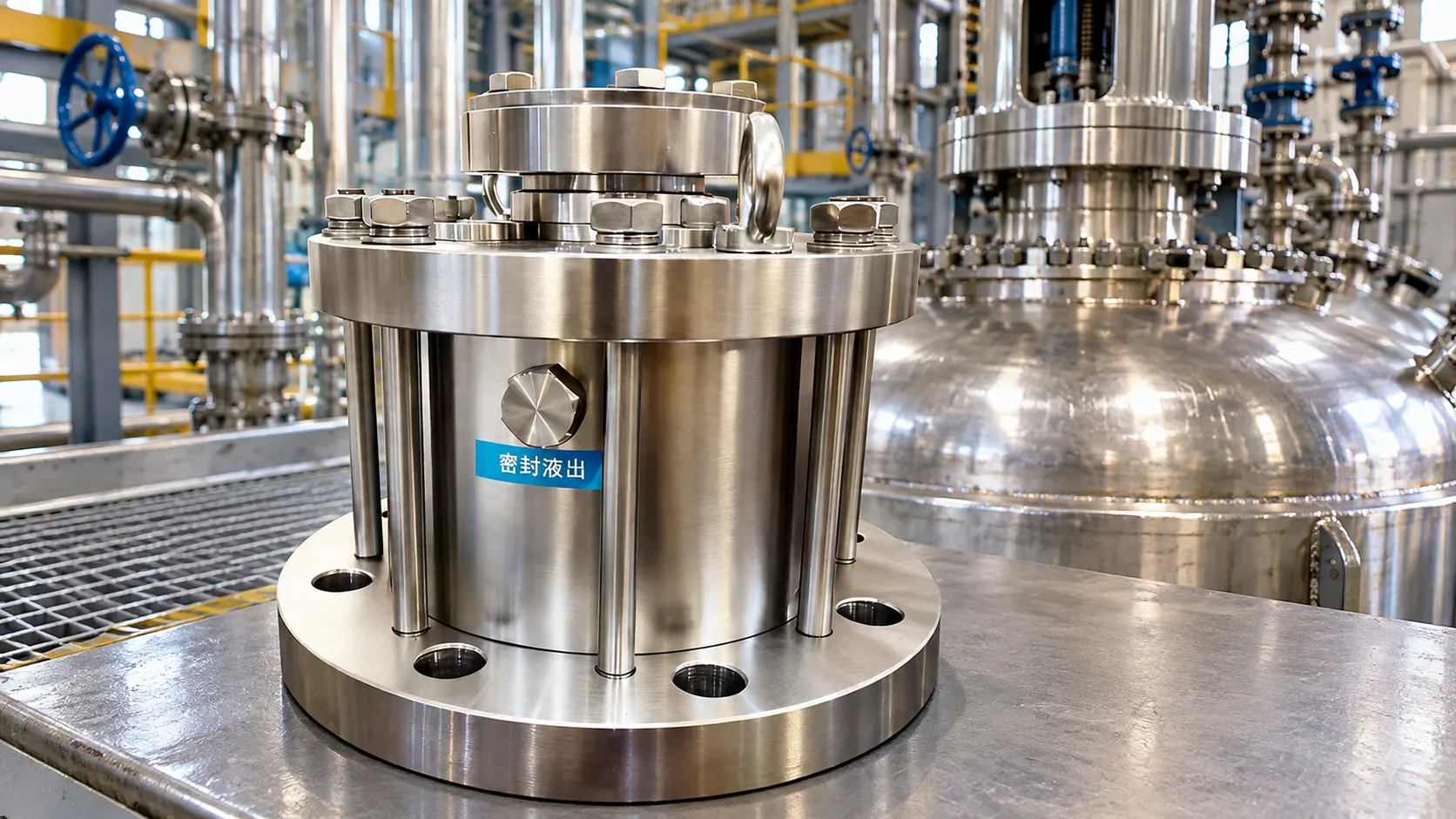
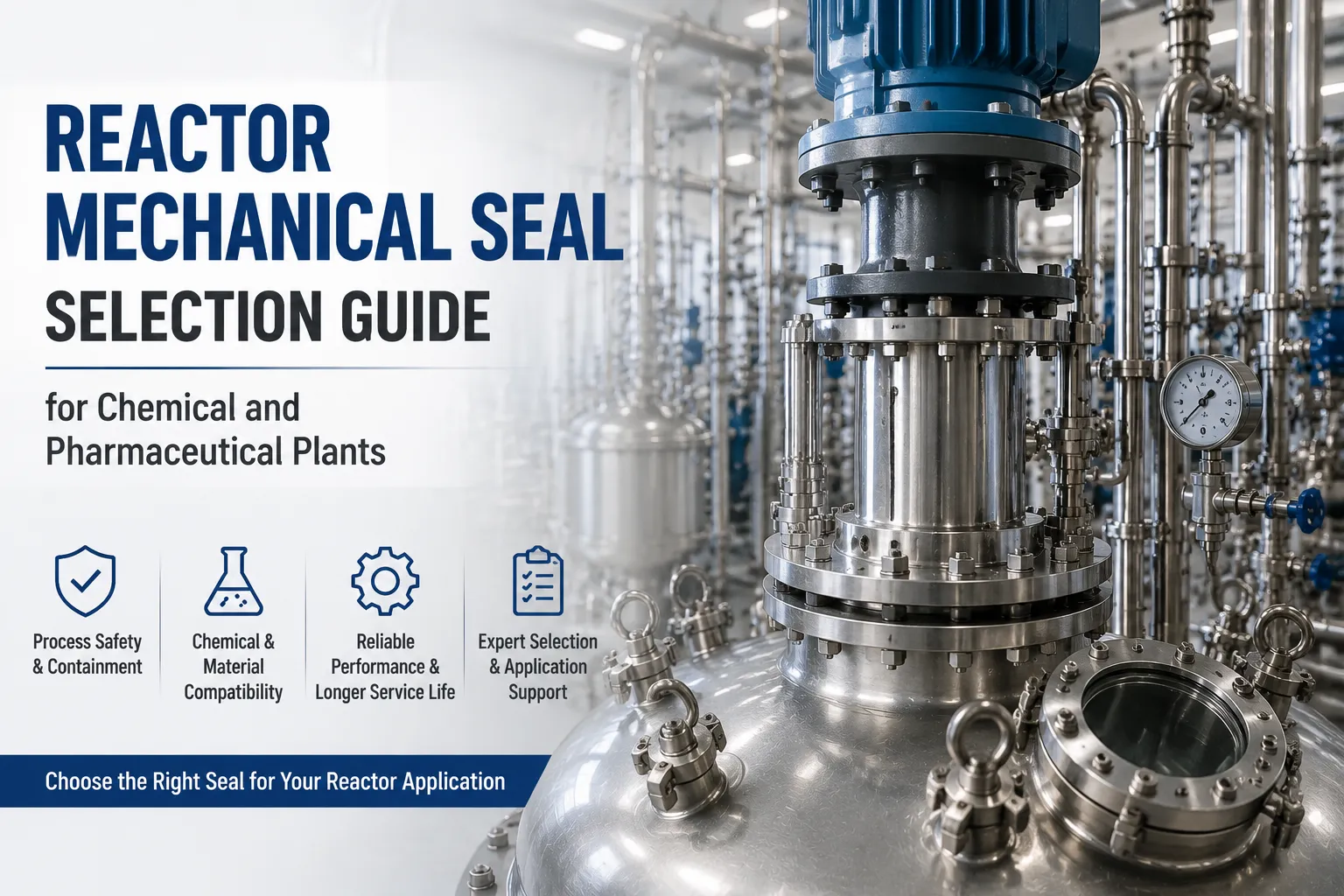
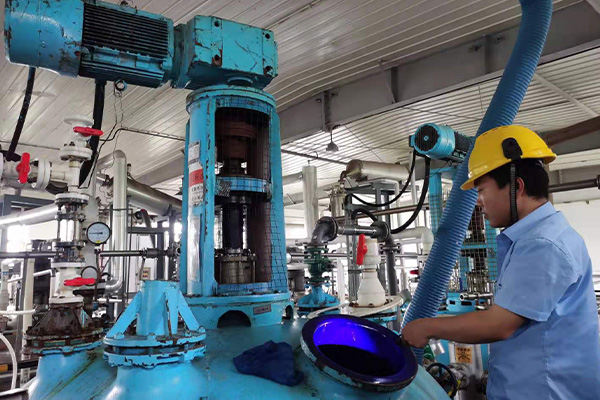
Used for the shaft seal of vertical reactors, agitators, storage tanks, etc., especially suitable for chemical, biological, pharmaceutical and other fields with high sealing requirements.
FAQ
- Leakage (most common issue)
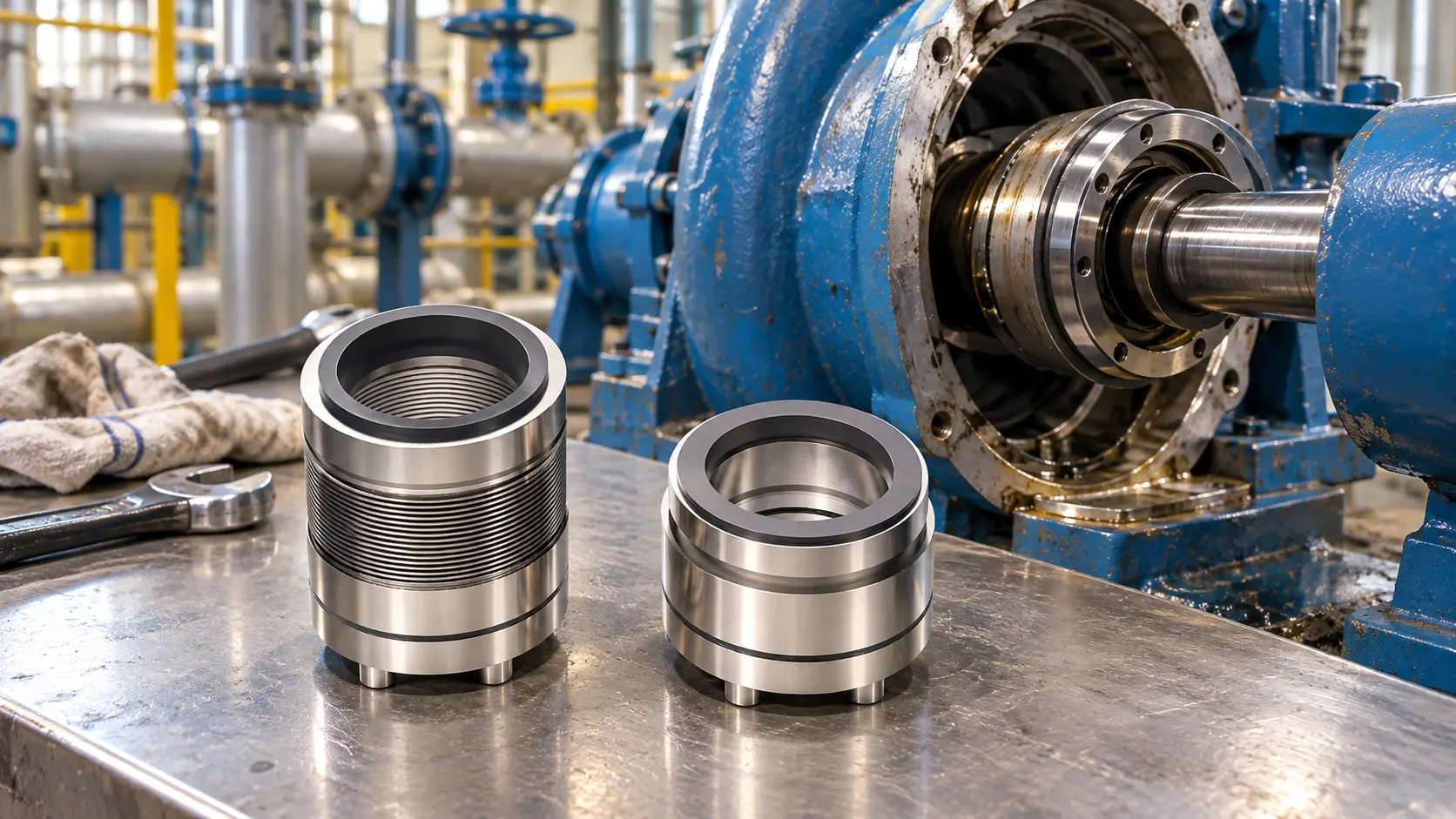
- Leakage at static sealing face: Check if the stationary seal gasket (O‑ring, V‑ring) is aged, deformed or mismatched in size. Replace it with a media‑resistant and temperature‑resistant gasket of the same specification. If the fit clearance between the stationary ring and the gland is too large, re‑machine or replace the stationary ring.
- Leakage at dynamic sealing face: Inspect the sealing end faces of the rotating and stationary rings for scratches, wear or chipping. Minor scratches can be repaired by lapping; replace the seal rings directly if severely damaged. Also verify the spring compression: add gaskets if insufficient, reduce gaskets if excessive.
- Leakage at shaft sleeve / shaft fit: Check for damage to the shaft sleeve gasket, or excessive fit clearance between shaft sleeve and shaft. Replace the gasket or re‑grind the shaft sleeve.
- Abnormal wear
- Excessive end face wear: Install a filter if caused by particulate impurities in the medium. For insufficient lubrication, use self‑lubricating seals such as impregnated graphite rings, or introduce external flushing liquid (e.g. clean same medium).
- Shaft sleeve wear: Replace the shaft sleeve with wear‑resistant material, and adjust the concentricity between the seal chamber and the shaft to avoid eccentric wear.
- Overheating and Burning
- Excessively high temperature in seal chamber: Check if the cooling system is clogged and clean the cooling lines. If the medium temperature is inherently high, use high-temperature resistant seal materials (such as silicon nitride ceramic rings and fluororubber gaskets).
- Poor end-face contact due to spring failure: Replace fatigued or corroded springs, select corrosion-resistant spring materials such as stainless steel, and ensure uniform spring compression.
- Vibration and Abnormal Noise
- Misalignment: Recalibrate the concentricity between the pump shaft and motor shaft, and adjust the radial runout of the seal chamber and shaft to within allowable limits.
- Loose parts: Check whether the gland bolts and drive pins are loose, tighten the bolts evenly to the specified torque, and replace worn drive pins.
- Short Service Life of Seals
- Mismatch between material and medium: Replace seal materials according to medium characteristics (e.g., Hastelloy and PTFE for corrosive media; silicon carbide for high-temperature media).
- Improper installation: Operate in strict accordance with installation specifications, avoid impact or scratches on the seal pair end faces, and ensure no impurities enter the seal chamber during installation.