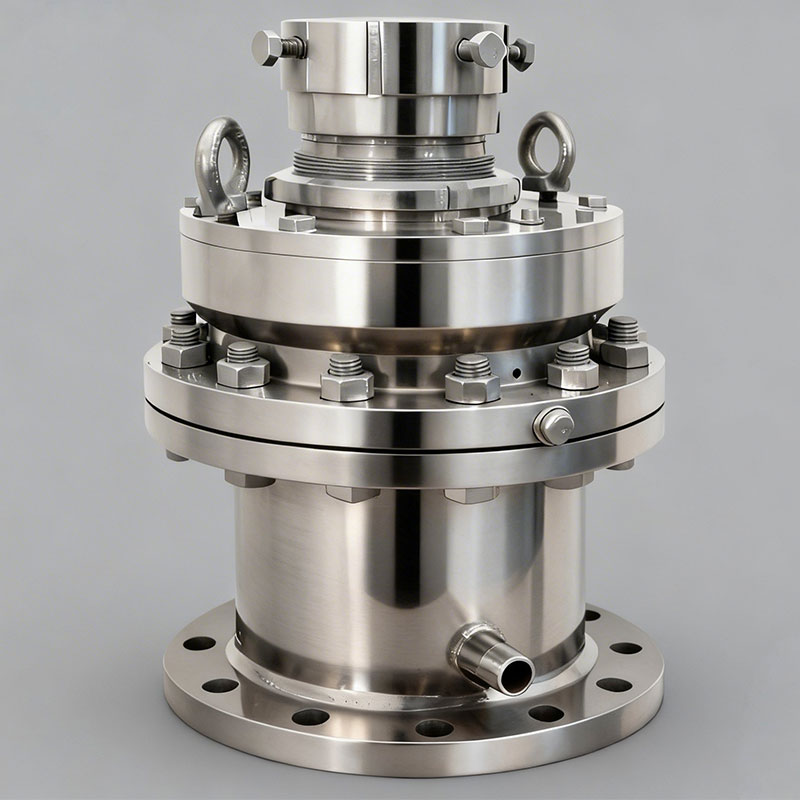
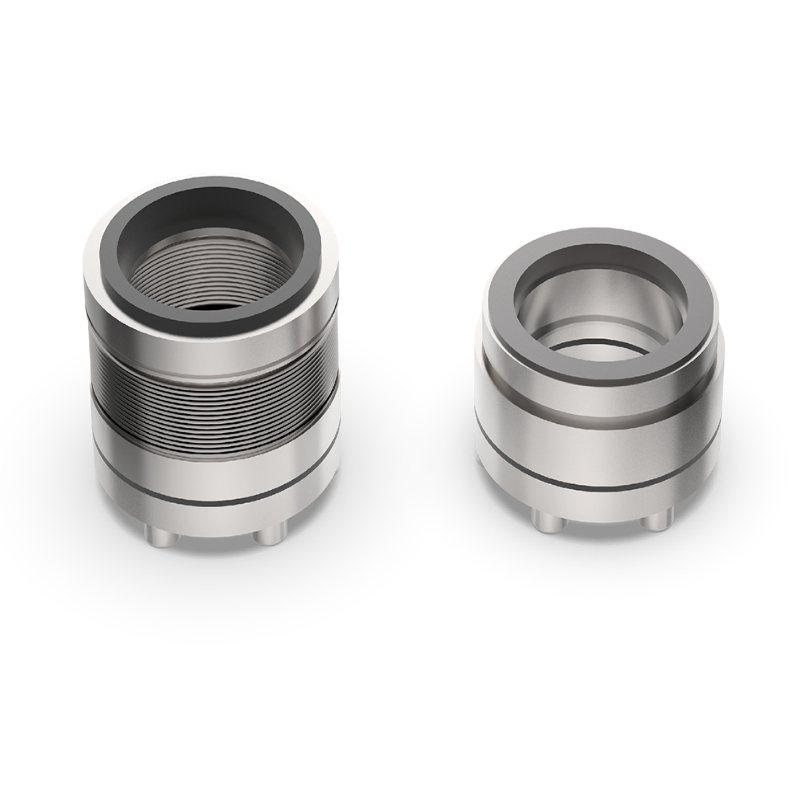
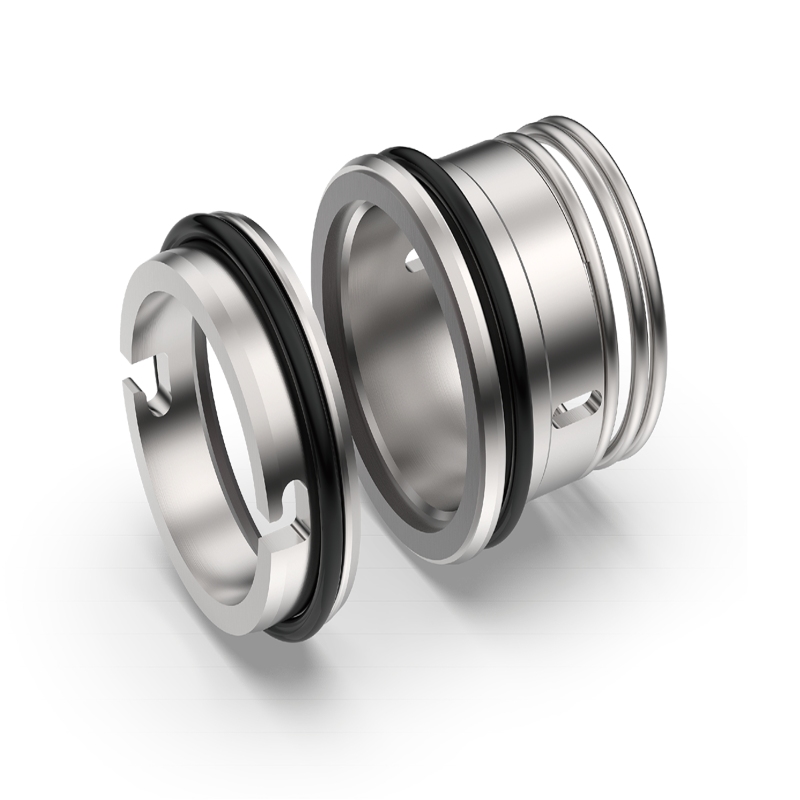
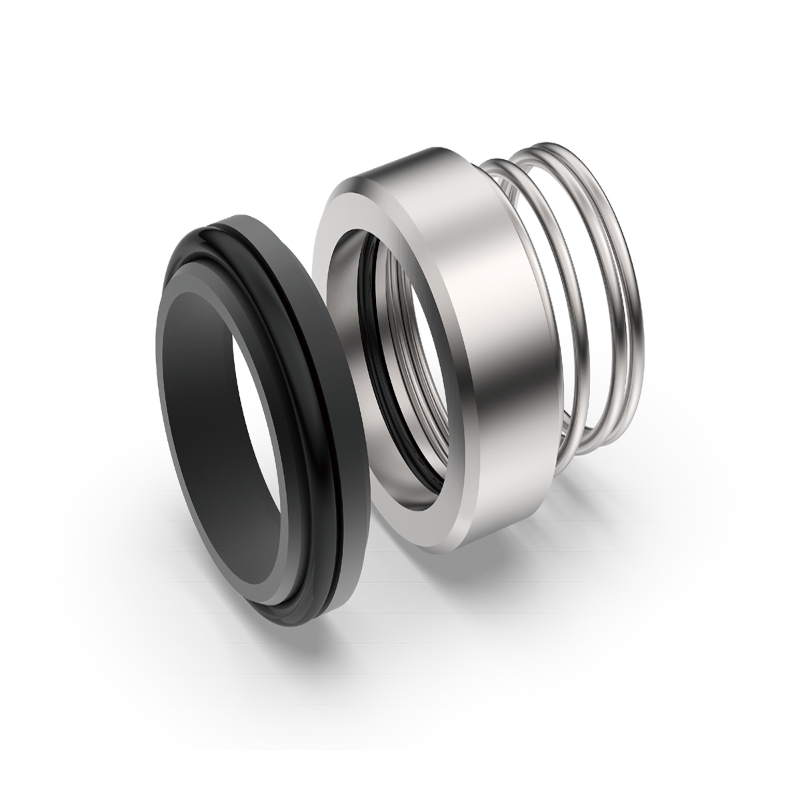
Product features and advantages
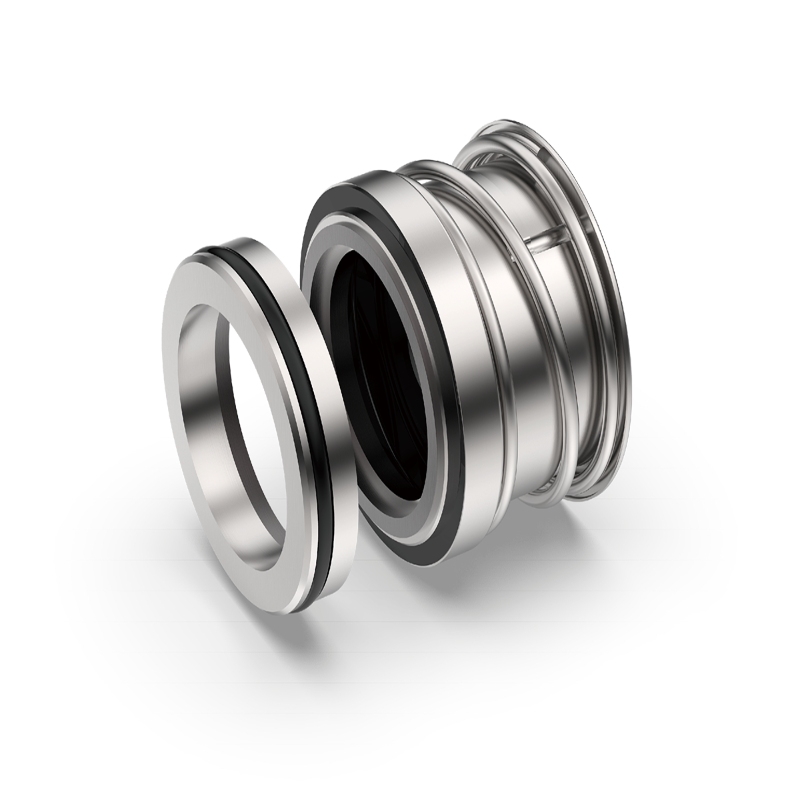
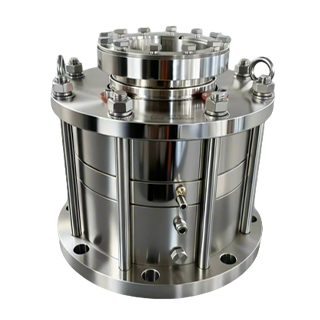
The upper and lower end faces share a single set of springs. Axial movement of 1 mm does not affect the specific pressure on both end faces. It is an early standardized design with good stability.
Parameter
| Pressure |
-0.1 ~ 1.6 MPa; a balancing device is required if over 0.6 MPa |
| Temperature |
-40 ~ 180 ℃; temperature control measures are required if over 120 ℃ |
| Rotational Speed |
≤ 2 m/s, suitable for low-speed working conditions of stirring shafts, balanced type |
| d |
D |
d0 |
d1 |
n-Ø |
L1 |
| M205U M206U |
M207 |
| 30 |
185 |
150 |
116 |
4-Ø8 |
310 |
310 |
| 35-40 |
205 |
170 |
135 |
315 |
330 |
| 45-50 |
235 |
200 |
164 |
8-Ø18 |
325 |
330 |
| 55-65 |
235 |
200 |
164 |
330 |
340 |
| 70 |
235 |
200 |
164 |
330 |
345 |
| 80 |
260 |
225 |
188 |
12-Ø18 |
370 |
380 |
| 85-100 |
290 |
255 |
220 |
385 |
405 |
| 105-115 |
315 |
280 |
245 |
400 |
420 |
| 120-125 |
370 |
320 |
270 |
12-Ø23 |
415 |
430 |
| 130-160 |
405 |
355 |
312 |
430 |
440 |
| d |
D |
d0 |
d1 |
n-Ø |
L1 |
| 205 |
206 |
207 |
205 |
206 |
207 |
205 |
206 |
207 |
205 |
206 |
207 |
205 |
206 |
207 |
| 30 |
235 |
215 |
230 |
200 |
180 |
190 |
164 |
149 |
149 |
8-Ø18 |
8-Ø18 |
8-Ø23 |
293 |
305 |
317 |
| 35-40 |
235 |
215 |
230 |
200 |
180 |
190 |
164 |
149 |
149 |
| 45-60 |
260 |
245 |
270 |
225 |
210 |
220 |
188 |
175 |
175 |
8-Ø25 |
303 |
315 |
327 |
| 65-70 |
315 |
280 |
300 |
280 |
240 |
250 |
245 |
203 |
203 |
8-Ø25 |
308 |
320 |
332 |
| 75-80 |
315 |
280 |
300 |
280 |
240 |
250 |
245 |
203 |
203 |
363 |
363 |
363 |
| 85 |
370 |
335 |
360 |
335 |
295 |
310 |
298 |
259 |
259 |
12-Ø18 |
12-Ø23 |
12-Ø25 |
384 |
384 |
384 |
| 90-100 |
370 |
335 |
360 |
335 |
295 |
310 |
298 |
259 |
259 |
404 |
404 |
404 |
| 105 |
370 |
335 |
360 |
335 |
295 |
310 |
298 |
259 |
259 |
| 110-115 |
435 |
405 |
425 |
395 |
355 |
370 |
353 |
312 |
312 |
12-Ø23 |
12-Ø25 |
12-Ø30 |
409 |
409 |
409 |
| 120-125 |
435 |
405 |
425 |
395 |
355 |
370 |
353 |
312 |
312 |
| 130-160 |
485 |
460 |
485 |
445 |
410 |
430 |
403 |
363 |
363 |
15-Ø30 |
424 |
424 |
424 |
Application areas/scenarios
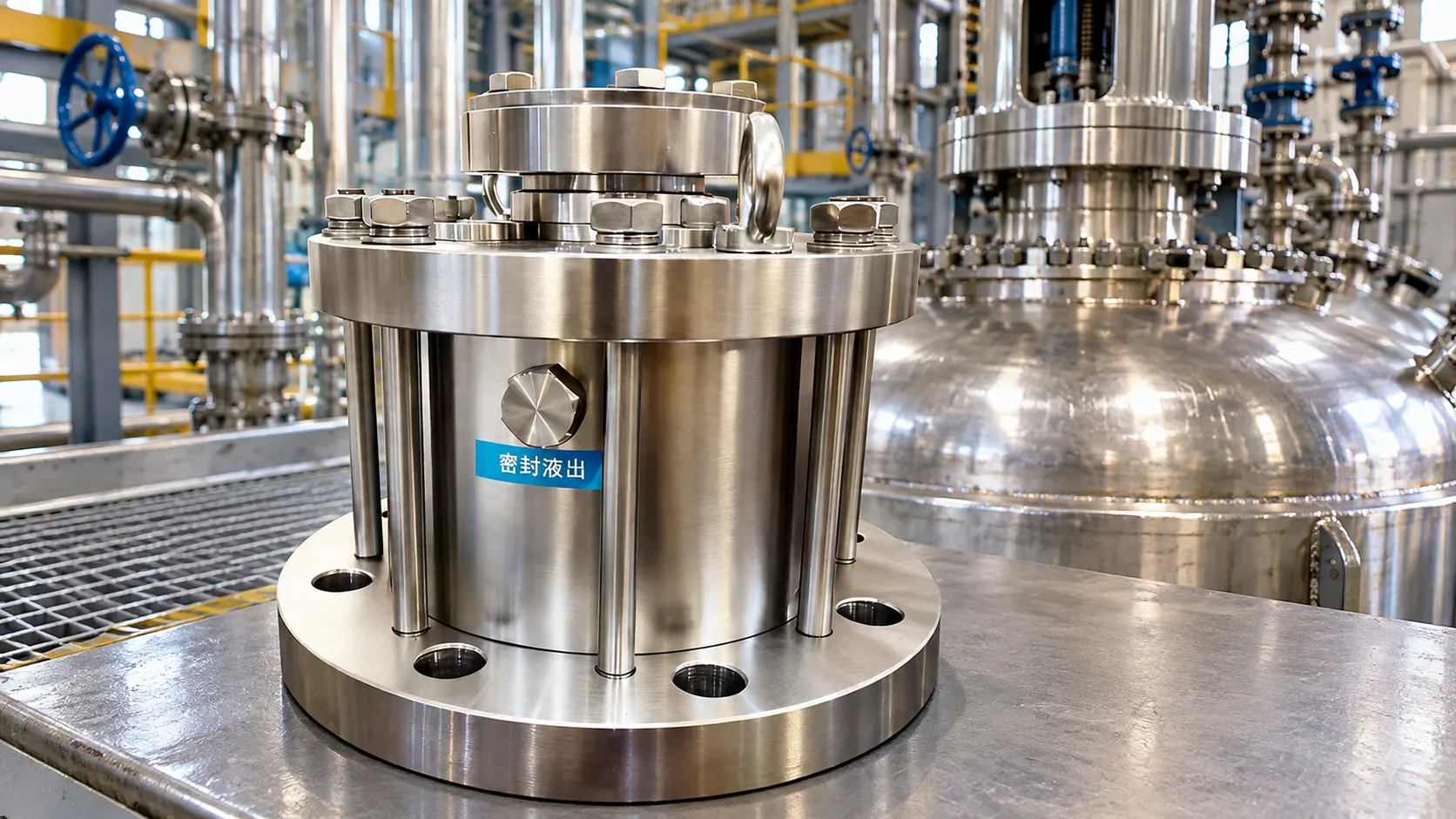
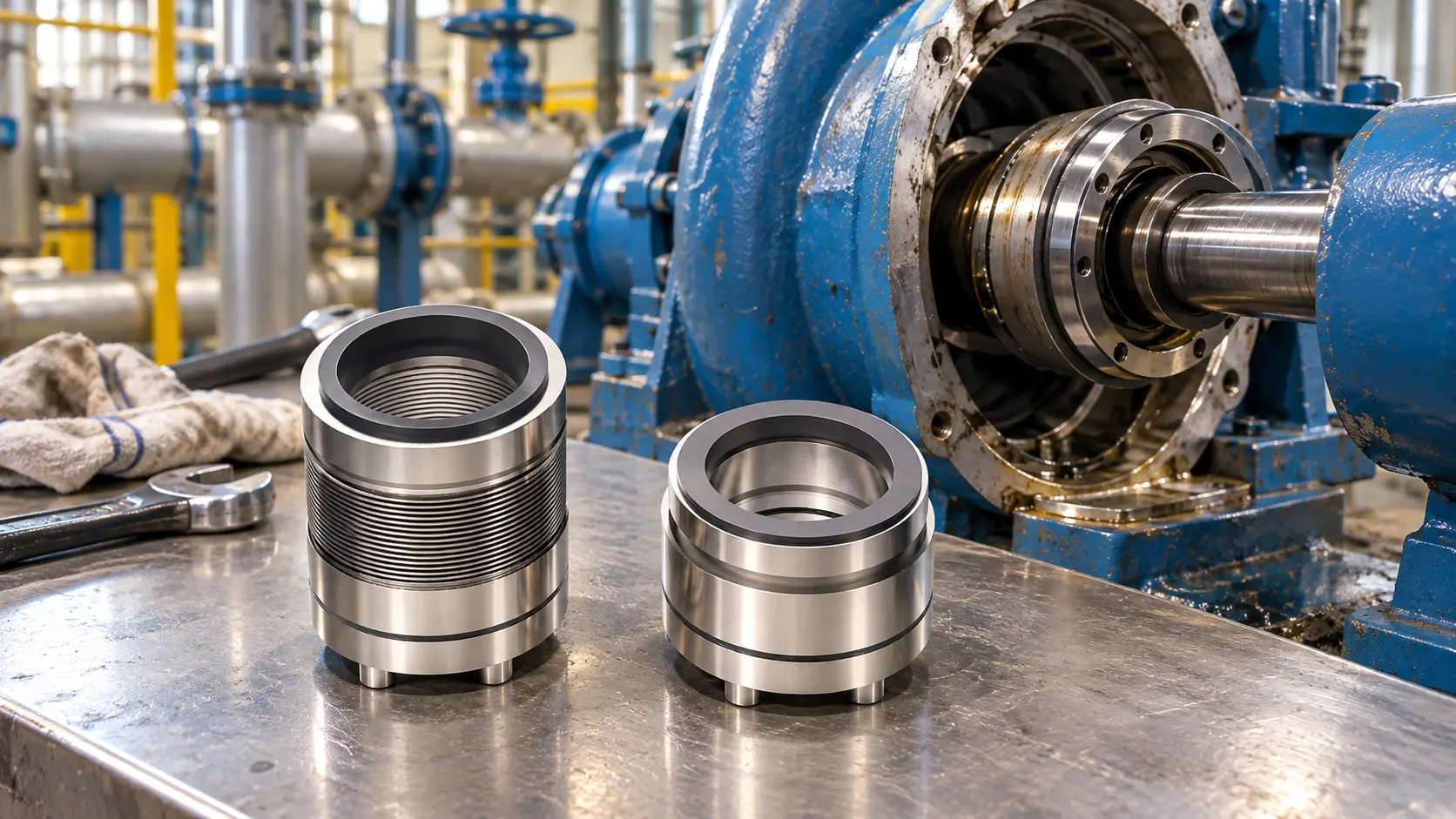
As a professional manufacturer of mechanical seals, we focus on serving industries including oil and gas, chemical, pharmaceutical, food, new energy, water treatment, new materials and others.
FAQ
- Leakage (most common issue)
- Leakage at static sealing face: Check if the stationary seal gasket (O‑ring, V‑ring) is aged, deformed or mismatched in size. Replace it with a media‑resistant and temperature‑resistant gasket of the same specification. If the fit clearance between the stationary ring and the gland is too large, re‑machine or replace the stationary ring.
- Leakage at dynamic sealing face: Inspect the sealing end faces of the rotating and stationary rings for scratches, wear or chipping. Minor scratches can be repaired by lapping; replace the seal rings directly if severely damaged. Also verify the spring compression: add gaskets if insufficient, reduce gaskets if excessive.
- Leakage at shaft sleeve / shaft fit: Check for damage to the shaft sleeve gasket, or excessive fit clearance between shaft sleeve and shaft. Replace the gasket or re‑grind the shaft sleeve.
- Abnormal wear
- Excessive end face wear: Install a filter if caused by particulate impurities in the medium. For insufficient lubrication, use self‑lubricating seals such as impregnated graphite rings, or introduce external flushing liquid (e.g. clean same medium).
- Shaft sleeve wear: Replace the shaft sleeve with wear‑resistant material, and adjust the concentricity between the seal chamber and the shaft to avoid eccentric wear.
- Overheating and Burning
- Excessively high temperature in seal chamber: Check if the cooling system is clogged and clean the cooling lines. If the medium temperature is inherently high, use high-temperature resistant seal materials (such as silicon nitride ceramic rings and fluororubber gaskets).
- Poor end-face contact due to spring failure: Replace fatigued or corroded springs, select corrosion-resistant spring materials such as stainless steel, and ensure uniform spring compression.
- Vibration and Abnormal Noise
- Misalignment: Recalibrate the concentricity between the pump shaft and motor shaft, and adjust the radial runout of the seal chamber and shaft to within allowable limits.
- Loose parts: Check whether the gland bolts and drive pins are loose, tighten the bolts evenly to the specified torque, and replace worn drive pins.
- Short Service Life of Seals
- Mismatch between material and medium: Replace seal materials according to medium characteristics (e.g., Hastelloy and PTFE for corrosive media; silicon carbide for high-temperature media).
- Improper installation: Operate in strict accordance with installation specifications, avoid impact or scratches on the seal pair end faces, and ensure no impurities enter the seal chamber during installation.