Product features and advantages
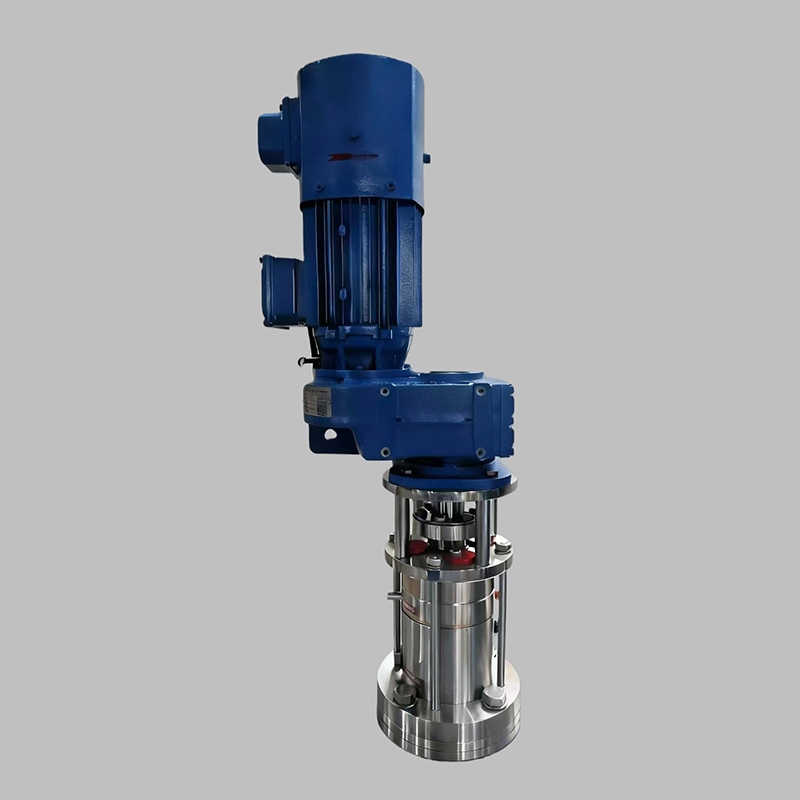
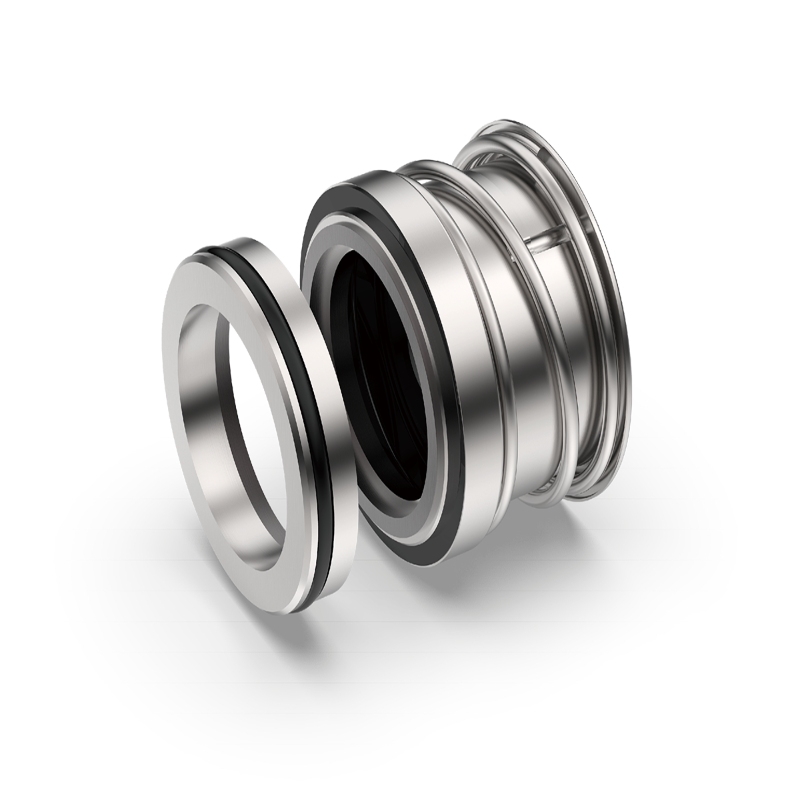
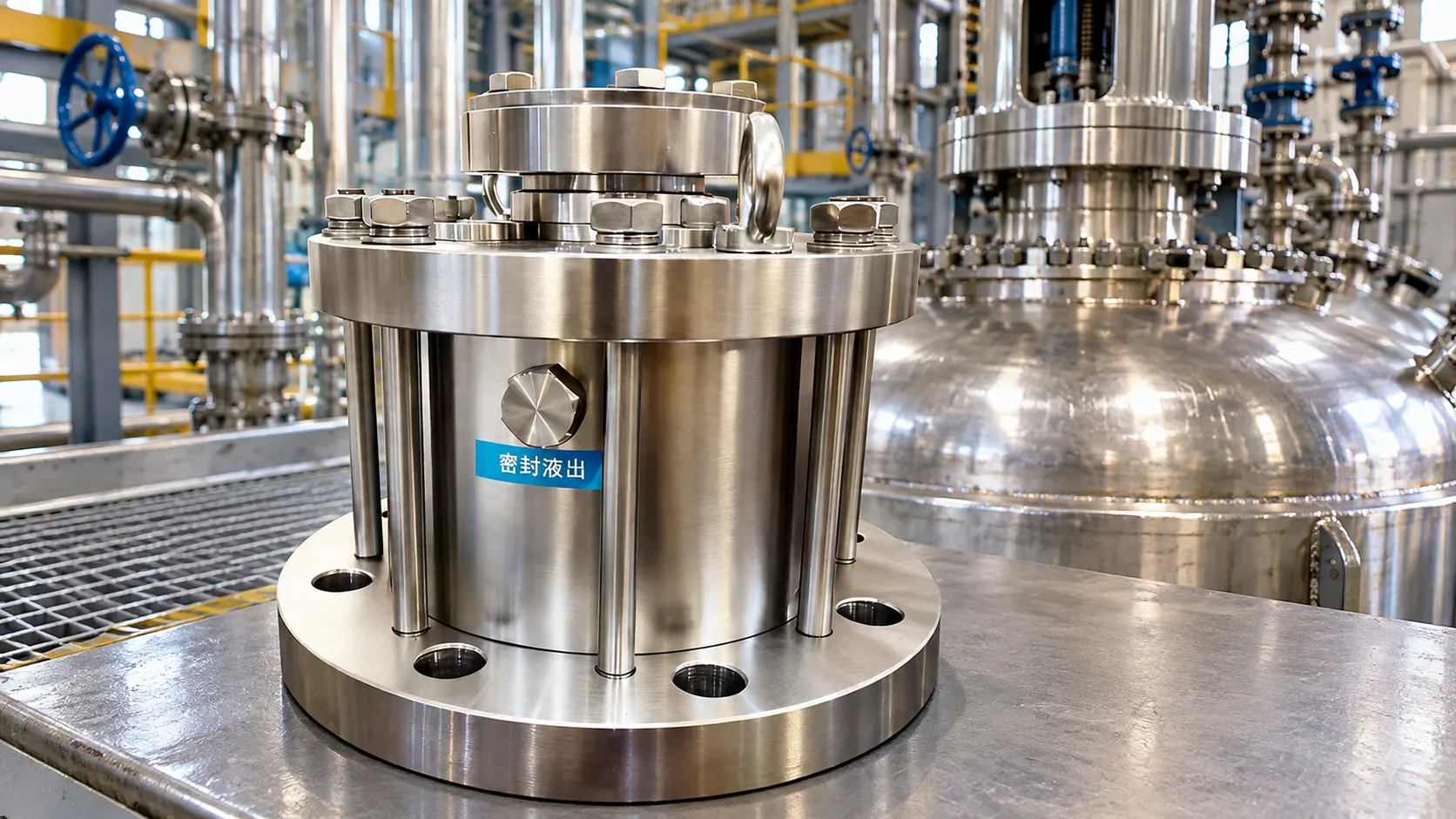
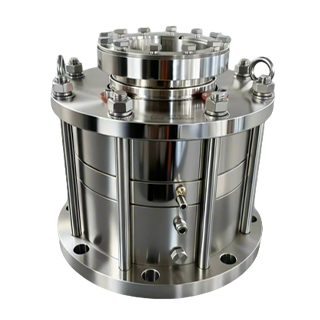
The frame and mechanical seal feature an integrated design, offering unique advantages for equipment with compact vessel nozzles.
National Invention Patent No.: ZL202022563587.0 Patent No.: ZL202022563587.0
Parameter
| Design Pressure (MPa) |
-0.1~1.6MPa |
| Design Temperature (°C) |
-40~160°C |
| Speed (m/s) |
<2m/s |
Application areas/scenarios
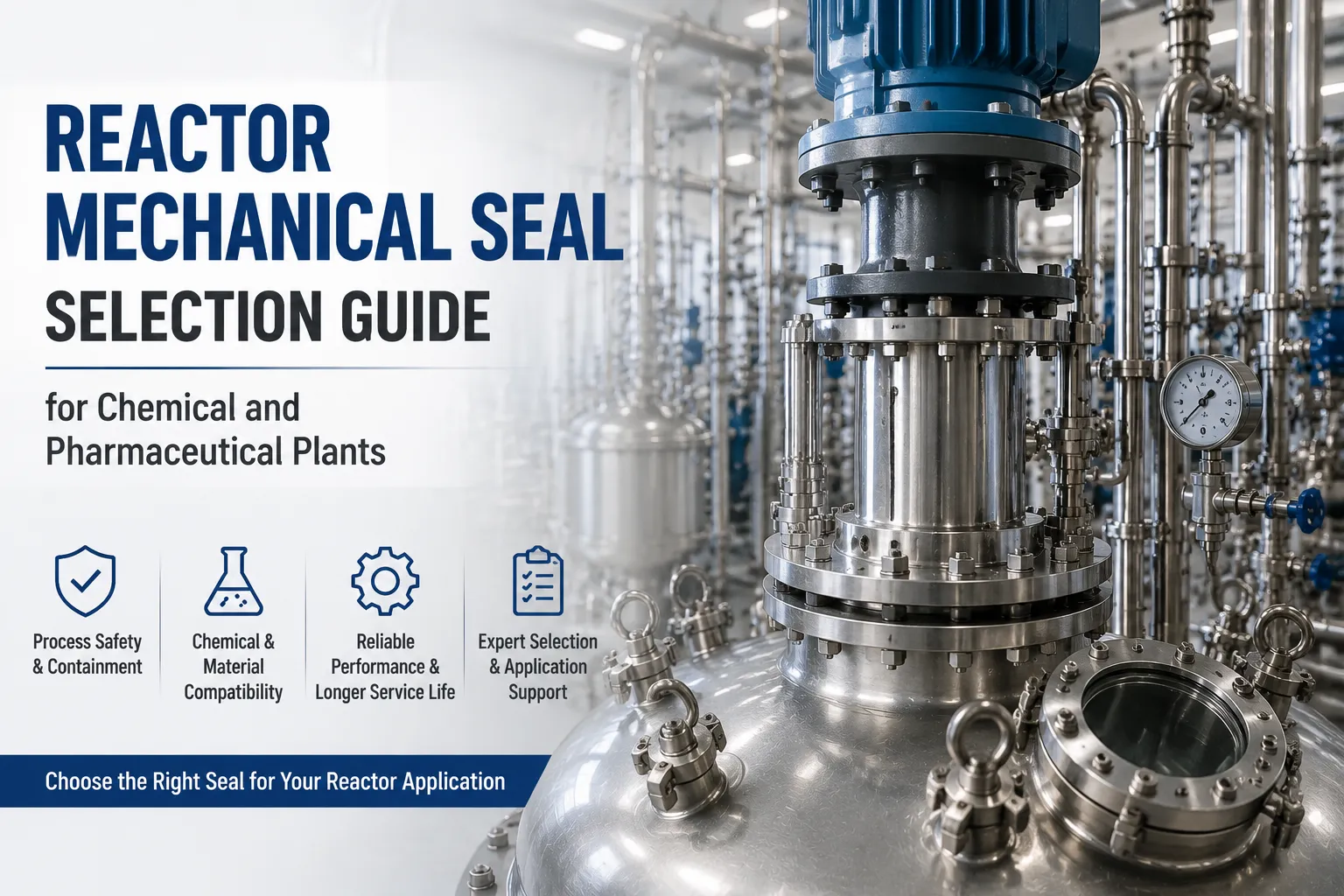
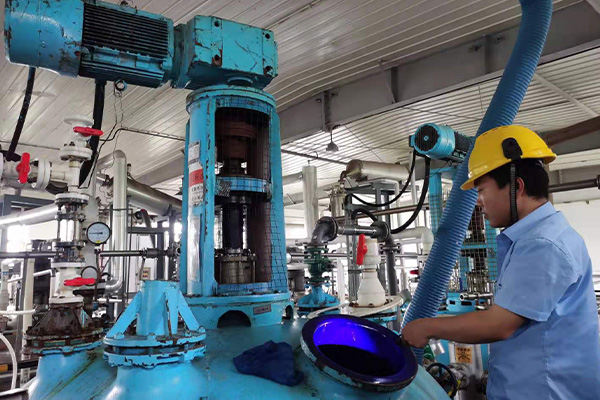
As a professional manufacturer of mechanical seals, we focus on serving industries including oil and gas, chemical, pharmaceutical, food, new energy, water treatment, new materials and others.
FAQ
- Leakage (most common issue)
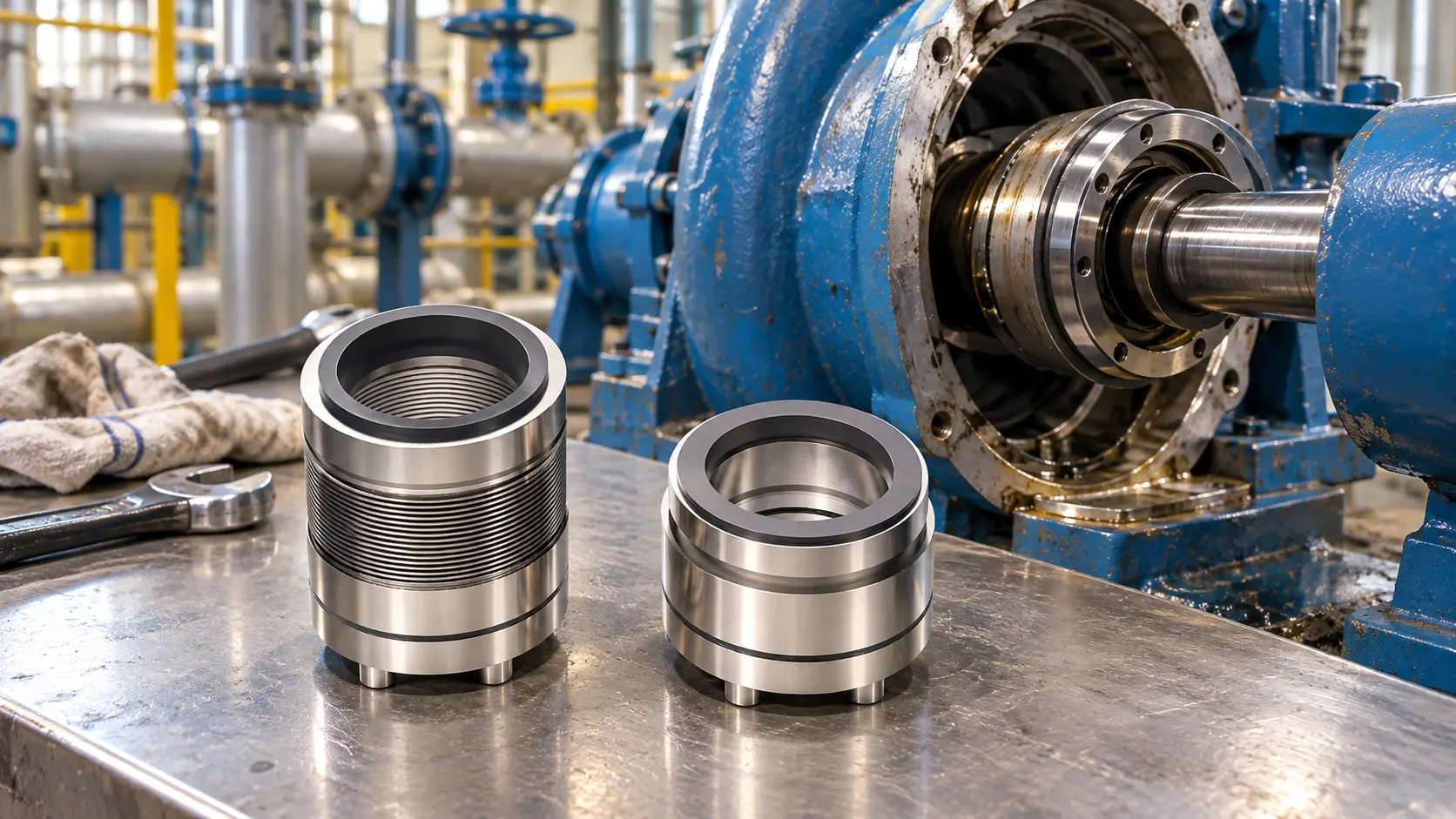
- Leakage at static sealing face: Check if the stationary seal gasket (O‑ring, V‑ring) is aged, deformed or mismatched in size. Replace it with a media‑resistant and temperature‑resistant gasket of the same specification. If the fit clearance between the stationary ring and the gland is too large, re‑machine or replace the stationary ring.
- Leakage at dynamic sealing face: Inspect the sealing end faces of the rotating and stationary rings for scratches, wear or chipping. Minor scratches can be repaired by lapping; replace the seal rings directly if severely damaged. Also verify the spring compression: add gaskets if insufficient, reduce gaskets if excessive.
- Leakage at shaft sleeve / shaft fit: Check for damage to the shaft sleeve gasket, or excessive fit clearance between shaft sleeve and shaft. Replace the gasket or re‑grind the shaft sleeve.
- Abnormal wear
- Excessive end face wear: Install a filter if caused by particulate impurities in the medium. For insufficient lubrication, use self‑lubricating seals such as impregnated graphite rings, or introduce external flushing liquid (e.g. clean same medium).
- Shaft sleeve wear: Replace the shaft sleeve with wear‑resistant material, and adjust the concentricity between the seal chamber and the shaft to avoid eccentric wear.
- Overheating and Burning
- Excessively high temperature in seal chamber: Check if the cooling system is clogged and clean the cooling lines. If the medium temperature is inherently high, use high-temperature resistant seal materials (such as silicon nitride ceramic rings and fluororubber gaskets).
- Poor end-face contact due to spring failure: Replace fatigued or corroded springs, select corrosion-resistant spring materials such as stainless steel, and ensure uniform spring compression.
- Vibration and Abnormal Noise
- Misalignment: Recalibrate the concentricity between the pump shaft and motor shaft, and adjust the radial runout of the seal chamber and shaft to within allowable limits.
- Loose parts: Check whether the gland bolts and drive pins are loose, tighten the bolts evenly to the specified torque, and replace worn drive pins.
- Short Service Life of Seals
- Mismatch between material and medium: Replace seal materials according to medium characteristics (e.g., Hastelloy and PTFE for corrosive media; silicon carbide for high-temperature media).
- Improper installation: Operate in strict accordance with installation specifications, avoid impact or scratches on the seal pair end faces, and ensure no impurities enter the seal chamber during installation.