Nullam dignissim, ante scelerisque the is euismod fermentum odio sem semper the is erat, a feugiat leo urna eget eros. Duis Aenean a imperdiet risus.
Nullam dignissim, ante scelerisque the is euismod fermentum odio sem semper the is erat, a feugiat leo urna eget eros. Duis Aenean a imperdiet risus.
 author
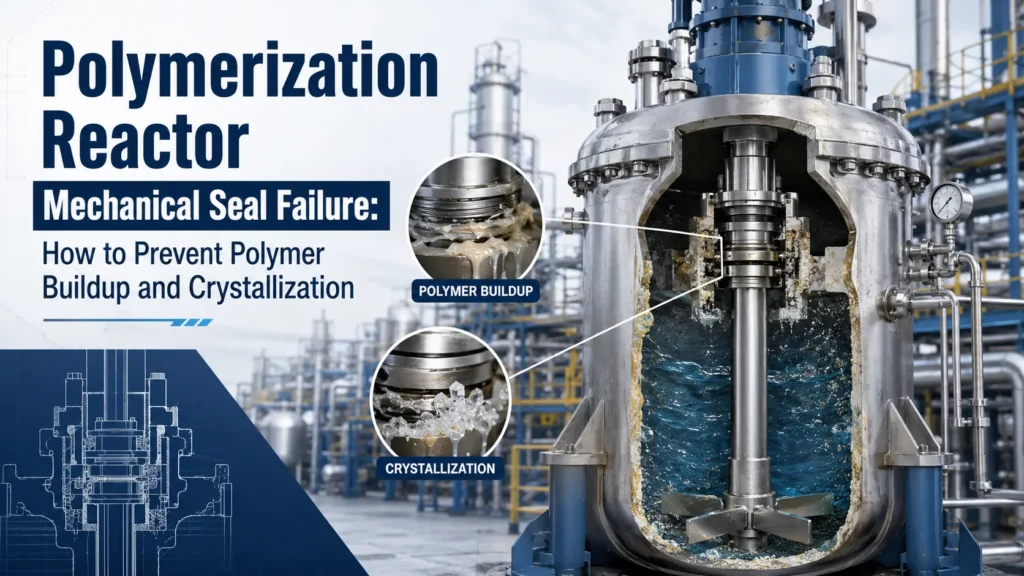
A polymerization reactor mechanical seal can fail even when pressure, temperature, and speed appear acceptable. Polymer may adhere to warm seal faces, crystals may form during cooling, and high-viscosity material may remain in stagnant areas after shutdown. These deposits can open the sealing gap, block springs or drive parts, restrict secondary seals, and cause leakage at restart. Before ordering another seal, identify what the deposit is and when it forms during the batch.
These mechanisms can look similar after dismantling but require different actions. A soft film suggests polymer adhesion or residual monomer. Hard deposits after cooling may indicate crystallization or solvent loss. Directional scratches are more consistent with abrasive particles.
Published polymer-dispersion case studies show that unstable dispersions can coagulate and adhere to warm seal faces. Frictional heat may promote agglomeration, separate the faces, and cause leakage or complete failure.
Compare deposits with the batch recipe, temperature profile, viscosity change, solids content, cooling sequence, and first leak. Retain a sample and photograph both sides before cleaning.
Polymer buildup can disturb the lubricating film, hold the faces apart, or cause dry running. Material around springs, drive pins, or flexible elements may prevent the seal from following shaft movement. Crystals can scratch faces or cut secondary seals.
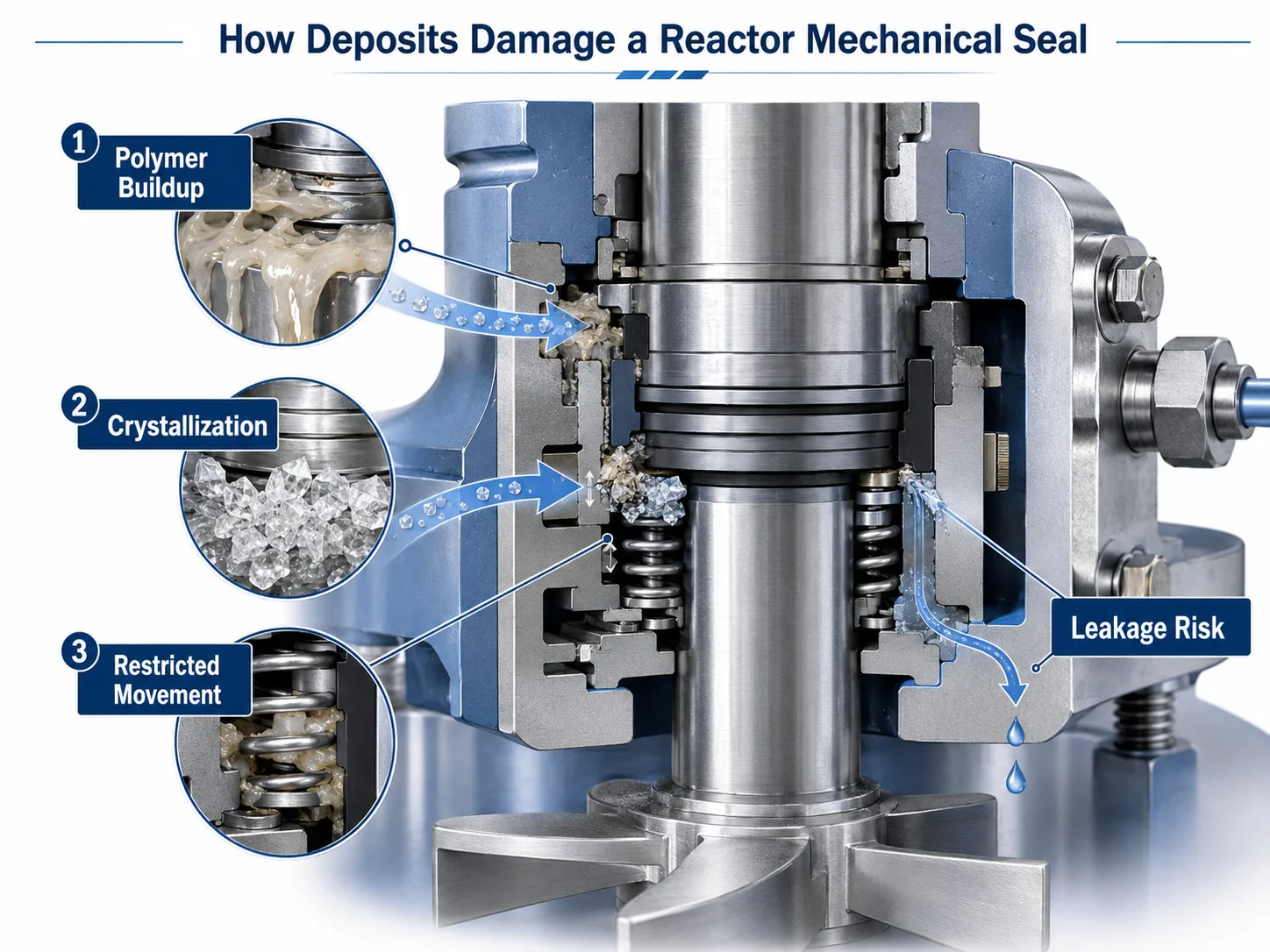
A harder face pair may reduce abrasive wear, but it cannot stop polymer from entering a stagnant cavity or solidifying around a compensation mechanism. Repeated deposits in the same location call for a review of product-side geometry, flushing, temperature control, and shutdown practice—not only face material.
Leakage during reaction may indicate polymer formation near the faces. Leakage during cooling can point to crystallization or rising viscosity. A seal that sticks at restart may contain solidified material in the face gap or moving parts.
Record the symptom against charging, catalyst addition, heating, pressure changes, agitator-speed changes, cooling, discharge, cleaning, and restart. This timeline helps determine whether the next step should be a process correction, seal repair, support-system change, or a new mechanical seal for polymerizing fluids.
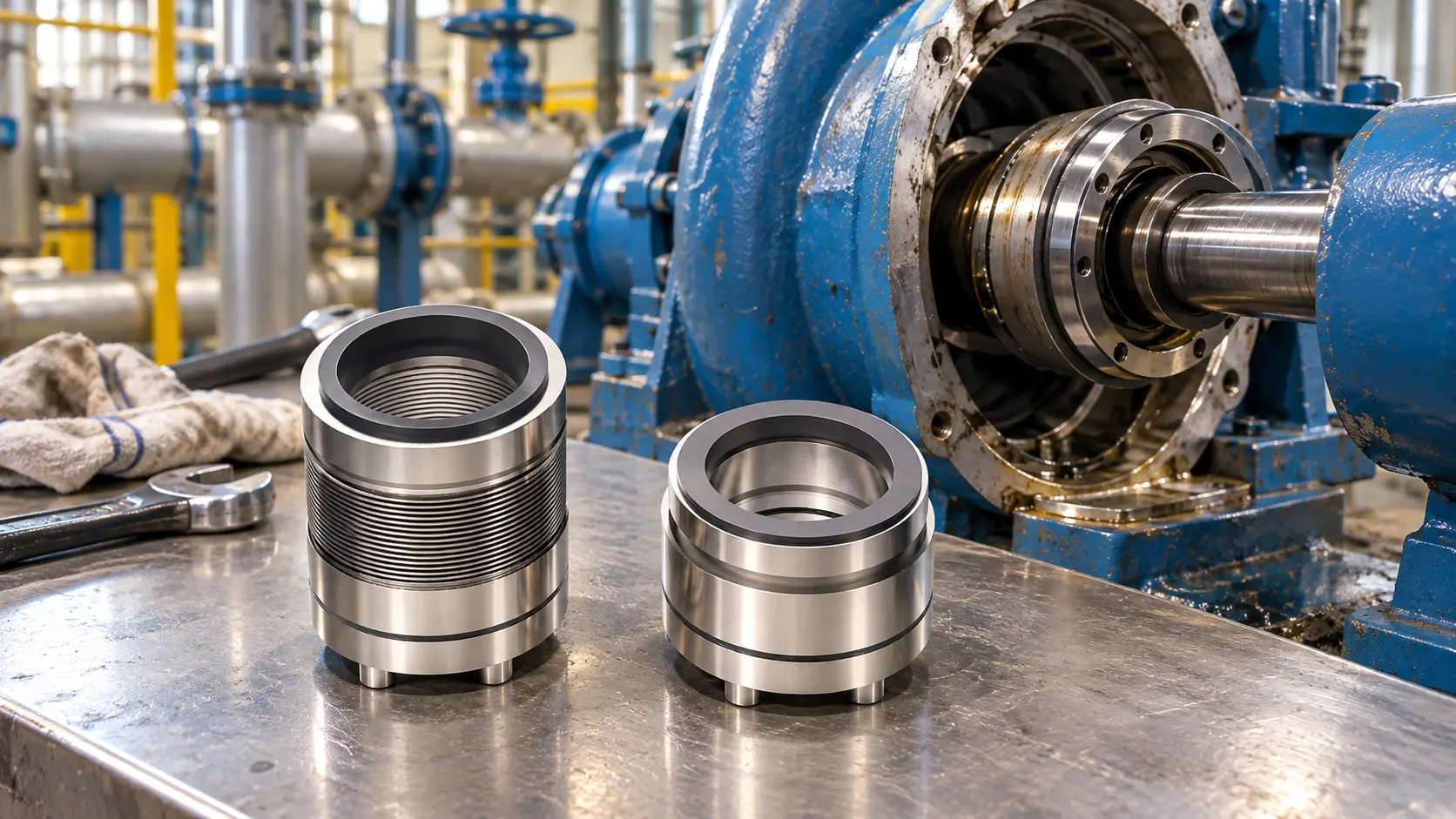
Document deposit location, face-wear pattern, spring movement, shaft-sleeve wear, and secondary seals. Glazed deposits may indicate heat or dry running. Damaged elastomers suggest chemical or temperature incompatibility. Uneven wear may indicate runout or restricted movement.
| Failure evidence | Likely mechanism | Data to verify | Next action |
|---|---|---|---|
| Sticky film on product-side faces | Polymer adhesion | Batch stage and temperature | Review product protection |
| Hard deposits after cooling | Crystallization | Crystallization point and cooling profile | Review shutdown sequence |
| Deep directional scratches | Abrasive particles | Solids and particle hardness | Review face pair |
| Deposits around springs or pins | Product stagnation | Geometry and cleaning reach | Reduce dead zones |
| Burnt or glazed tracks | Dry running | Support flow and temperature | Inspect support system |
Minor face damage may be repairable after dimensional checks. Severe chipping, distortion, corrosion, or chemically damaged secondary seals usually requires replacement. Correct the cause before returning the assembly to service.
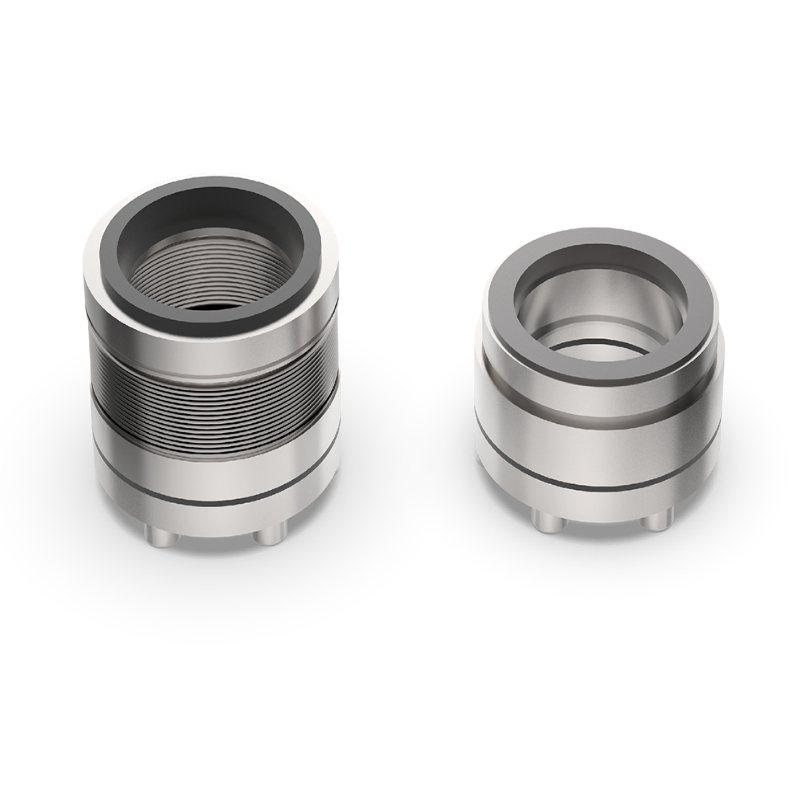
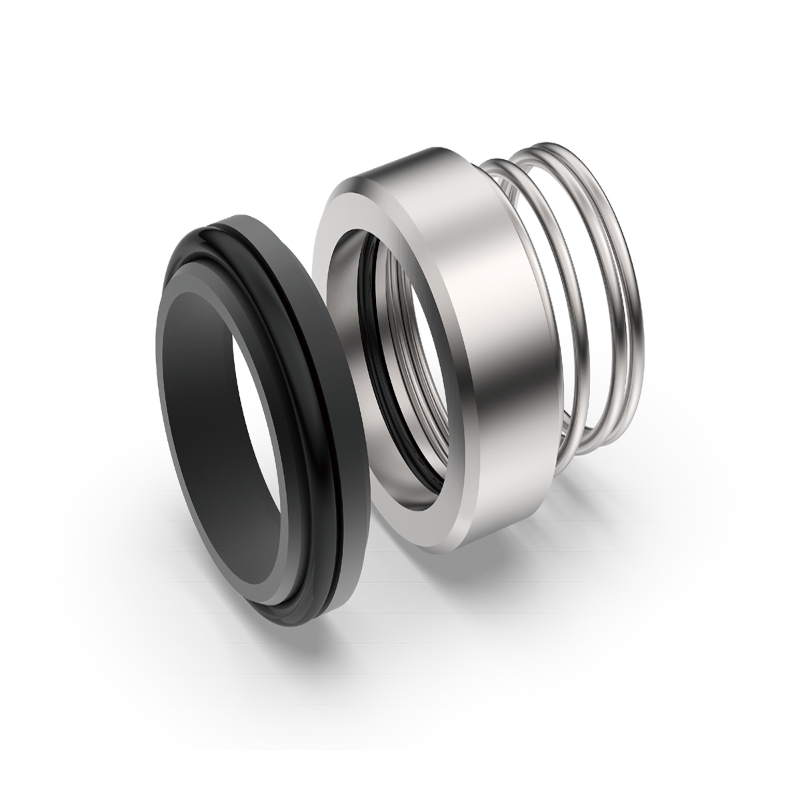
Sticky or crystallizing media require attention to product-side structure. Exposed springs and poorly reached cavities may collect material during shutdown. Buyers should ask how moving parts are protected and how cleaning reaches the product-side faces.
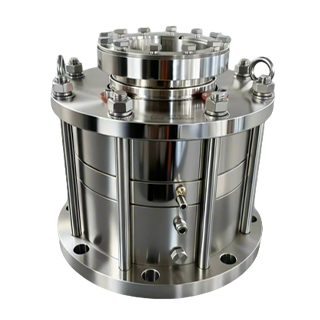
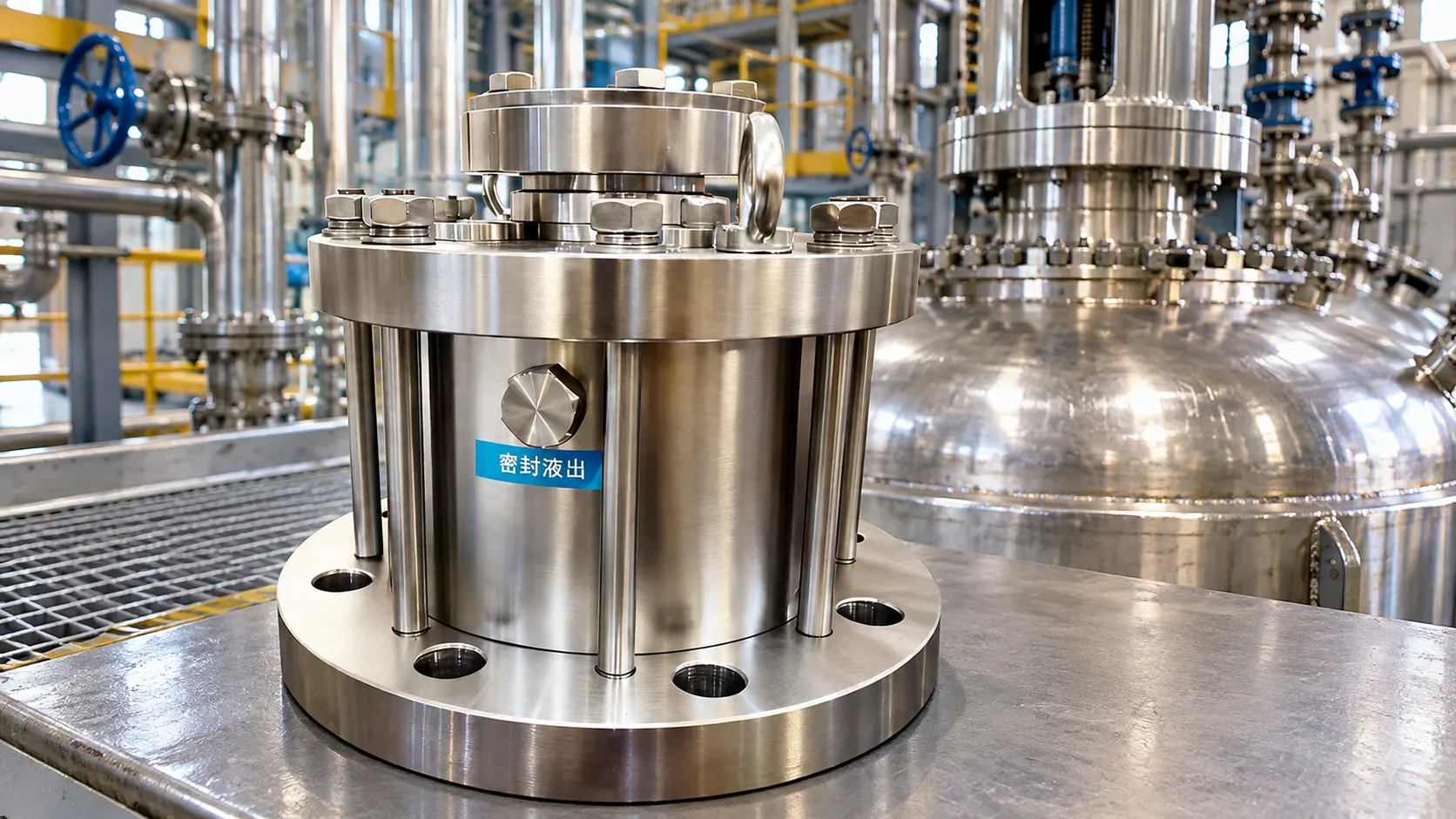
No structure is universally resistant to polymer buildup. Suitability depends on chemistry, viscosity, solids behavior, temperature cycle, shaft movement, and cleaning method. Available polymerization reactor mechanical seal systems should be compared by application rather than model number. Xinyoumi’s category includes seals for steel, glass-lined, and special-material reactors, but each configuration requires verification against the complete duty.
A product-side flush may remove heat or displace process material, but the fluid must be compatible with the batch. An atmospheric-side quench may limit external deposits without protecting the product-side faces. A buffer can collect leakage, while a pressurized barrier can isolate the process when paired with a suitable dual seal.
Published guidance identifies clean flushing for polymerizing fluids, pressurized barriers for dirty or polymerizing service, and atmospheric quench arrangements for crystallizing fluids. Because much of this guidance concerns pumps, it must be verified for the reactor or agitator.
Confirm whether external fluid may enter the product, how pressure is controlled, where deposits form, and how flow is monitored. A blocked flush line can leave the seal unprotected.
A seal may survive the reaction but fail during cooling. Lower temperature can raise viscosity, reduce solubility, or move the medium below its crystallization or solidification point. Residual material then hardens while the agitator is stopped.
The shutdown procedure should state whether circulation, flushing, purging, or heating continues after discharge. Cleaning must reach the affected area and remain compatible with the process. Before restart, verify free shaft movement, clean lines, correct support pressure, and no solid deposits.
A double mechanical seal may be appropriate when the medium is hazardous, volatile, contamination-sensitive, or unacceptable for atmospheric leakage. A barrier system can reduce process exposure.
A double seal does not automatically solve product-side crystallization. If deposits form before the barrier reaches the relevant area, or if stagnant pockets remain, fouling may continue. Evaluate the seal and support system together, including barrier-fluid compatibility, pressure control, heat removal, leakage indication, and maintenance access.
Wear-resistant faces may help with hard particles, while compatible secondary seals may reduce swelling or cracking.
Materials cannot correct a blocked flush, excessive dead volume, uncontrolled polymerization, poor shutdown practice, or excessive shaft movement. The review should include medium composition, catalyst, cleaning chemicals, temperature, pressure, and solids behavior. Xinyoumi technical materials list multiple face and secondary-seal options, but the final combination depends on the application and product specification.
Repair is reasonable when the arrangement is suitable and damage is limited to serviceable faces, springs, secondary seals, or sleeves. Direct replacement may be appropriate when an isolated installation or maintenance error caused the failure.
A redesign review is more appropriate when deposits repeatedly form in the same place, support fluid does not reach the product side, cleaning cannot clear the cavity, or the original selection omitted viscosity and crystallization data. Repeated reactor mechanical seal fouling should not be treated as normal wear.
A useful quotation should include:
Missing information should be listed as assumptions or unresolved risks.
A qualified supplier should ask when polymerization begins, how viscosity changes, what triggers crystallization, and where deposits appear. The proposal should explain how the structure, materials, and support system address the observed failure.
Kunshan Xinyoumi Mechanical Seal Technology Co., LTD supplies reactor mechanical seals and sealing auxiliary systems. Its published scope includes seals for different reactor materials, while technical records identify work related to horizontal high-pressure polymerization reactors. Any recommendation still requires application-specific confirmation.
The quotation should state whether replacement requires changes to the shaft, flange, frame, cavity, piping, or installation height. It should define serviceable components, spare parts, support-system scope, and operating assumptions.
Risk signals include quoting only from an old model, recommending harder faces without discussing deposits, ignoring shutdown cleaning, or promising to eliminate all polymer buildup. Buyers can review broader industrial mechanical seal solutions when the project also involves auxiliary equipment or nonstandard dimensions.
Polymerization reactor mechanical seal failure should be diagnosed from deposit type, batch stage, damaged components, and process history. Polymer buildup, crystallization, abrasion, and material incompatibility require different responses. Structure, materials, support equipment, and operating procedures should be reviewed together before another seal is ordered.
For a replacement or retrofit assessment, submit the medium composition, viscosity change, crystallization temperature, operating cycle, shaft and flange dimensions, existing drawing, quantity, and failure photographs. Xinyoumi can use these details to review the application, while buyers can request a polymerization reactor seal review for a technical proposal.
Cooling may increase viscosity or cause crystallization in the face gap or moving components. Review the cooling profile, residual product, shutdown flushing, and restart checks.
Reduce stagnant areas and evaluate compatible flushing, barrier protection, temperature control, and cleaning. Harder faces alone do not prevent adhesion or clogging.
It depends on leakage tolerance, process hazards, contamination restrictions, pressure, and support-system requirements. A double seal may improve isolation but does not automatically prevent product-side fouling.
Provide medium composition, viscosity and solids changes, crystallization temperature, operating cycle, dimensions, shaft movement, existing seal data, support system, quantity, and failure evidence.