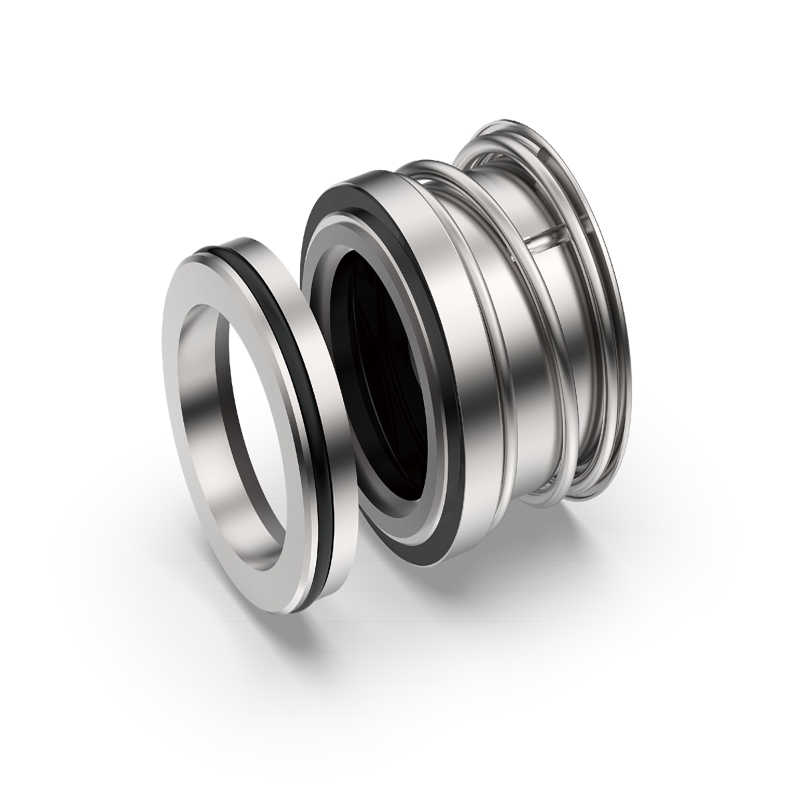
Nullam dignissim, ante scelerisque the is euismod fermentum odio sem semper the is erat, a feugiat leo urna eget eros. Duis Aenean a imperdiet risus.
Nullam dignissim, ante scelerisque the is euismod fermentum odio sem semper the is erat, a feugiat leo urna eget eros. Duis Aenean a imperdiet risus.
 author
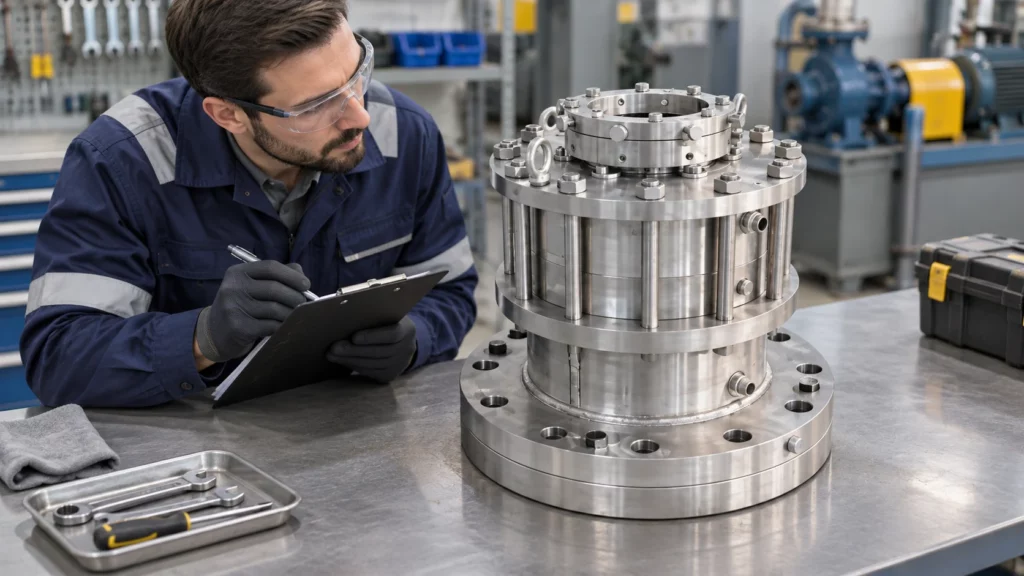
Mechanical seal lapping can restore some lightly scratched or worn faces when the damage can be removed while preserving the specified face geometry, surface finish, and remaining dimensions. Replace the affected ring when cracks, deep damage, structural deterioration, or insufficient material prevent a verified restoration. A bright, smooth-looking surface alone is not proof that a face is fit for service.
The decision starts with both mating faces, the seal design, and the failure history. It ends with measured acceptance against the applicable drawing or supplier requirements, plus a plan to correct the condition that caused the damage.
Lapping is a controlled abrasive finishing process that removes material from a face to restore the required surface geometry and finish. In a conventional flat-face seal, the rotating and stationary faces must work together across a thin fluid film. Excessive surface irregularity, distortion, or local damage can disturb that interface and contribute to leakage or wear.
Lapping addresses the surface being worked; it does not rebuild missing material, repair a crack inside a ring, or correct an incompatible seal design. Material removal also changes the component. Before authorizing the work, establish the permissible finished dimensions and the face profile specified for that seal. A specially profiled, grooved, or coated face needs its own approved repair method; do not assume it should be made flat.
Preserve evidence before cleaning. Photograph each face and identify which ring rotates, which is stationary, and how the parts were installed. Record the location and direction of scratches, uneven wear, chips, deposits, discoloration, and any leakage. Compare those observations with fluid, temperature, pressure, speed, startup, flush, and operating history.
Clean using a method compatible with the face material and inspect the complete ring, including edges, mounting features, and the carrier. Examine the mating face and secondary seals as well. A mark that appears superficial may conceal a deeper defect; cleaning should not remove evidence before it is documented. Where necessary, use an appropriate inspection method and the component specification to establish its condition.
Light scratches, limited surface wear, and some minor departures from the required face geometry may be candidates when they can be removed without crossing the dimensional or structural limits. For example, a lightly marked ring with adequate remaining thickness may be restored if the finished face meets the specified profile and finish. A preliminary visual judgment is a screening step, not approval to reuse the part.
Check both members of the face pair. One damaged face can mark its mate, and restoring one side does not establish that the other is acceptable. If a ring is retained, its mating surface still needs inspection and disposition. Face materials and their grades matter to the process and operating duty; compare the pair using this seal face material selection guide.
Replace a ring when it is cracked, broken, or structurally unsound, or when a deep scratch, chip, pit, or heat-related damage cannot be removed within the approved limits. Replace it as well when the required profile, coating, mounting integrity, or minimum dimensions cannot be retained or verified. Damage at an edge or outside the apparent contact track still deserves assessment because it can affect support or propagate during handling and service.
Heat marks, pitting, and discoloration are not by themselves a measurement of remaining strength. Investigate their extent and cause. If the material condition or repair limit cannot be established, obtain the seal manufacturer’s guidance before reuse. The remedy may be one replacement ring or a larger assembly, depending on compatibility and the condition of the remaining parts.
A face can look polished yet be out of shape. Flatness describes departure from an intended plane over the specified area; surface finish describes finer surface texture. A face may meet one requirement and fail the other. Dimensional checks answer a third question: whether enough material and the correct installed geometry remain after finishing.
For a flat-face design, an optical flat and suitable light can be used to assess flatness by interpreting interference bands. The inspector must use an appropriate method, clean surfaces, and the specified support and measurement conditions. Record the result against the actual acceptance limit, not a generic number of bands. Other approved measurement methods may be appropriate for the design.
Also verify the specified finish and relevant dimensions using suitable methods. If the face sits in a carrier or is affected by clamping or spring loading, agree whether the requirement applies to the free ring, the assembled condition, or both. A cold, unloaded measurement does not by itself establish the face shape under operating temperature and load. The interaction between temperature, support, and seal face distortion deserves separate review when heat damage or uneven wear is present.

First identify the seal and obtain its drawing, face material, design profile, and acceptance criteria. Record the starting condition and dimensions. The repair provider can then judge whether the expected material removal leaves the ring within those limits. If the limit is unknown, resolve it before removing material.
Next, use a controlled process suited to the material and geometry. The plate condition, abrasive, handling, and cleaning method affect the result; a procedure appropriate for one face material or design should not be copied to another without validation. Avoid presenting a hand-polished shine as a substitute for measured lapping.
After finishing, remove abrasive residue with a material-compatible cleaning procedure and inspect for remaining damage. Verify the specified face geometry, finish, and dimensions, then protect the face from contact and contamination during handling. Confirm the mating ring, secondary seals, hardware, assembly settings, and any required test against the applicable instructions. Record the results before release.
Lapping can remove a symptom while leaving the cause in place. Abrasive particles or deposits may score faces again; poor lubrication or loss of flush can generate heat; shaft movement, misalignment, or mounting distortion can produce uneven contact. Examine the wear pattern alongside equipment condition and operating events rather than assigning a cause from appearance alone.
Agree on the corrective action before restart: for example, investigate contamination sources, verify the support-fluid supply, inspect shaft and gland condition, or review the material pair and operating envelope. Follow the equipment and seal instructions for installation and startup. A restored face cannot compensate for an unresolved system problem.
Ask for an itemized inspection and a disposition for each face: retain, lap, or replace. The proposal should identify the applicable acceptance criteria, expected material removal where known, final measurements, cleaning and protection, mating-face assessment, and any assembly or test work. Ask how an unexpected defect or an out-of-limit dimension will be handled before extra work begins.
Xinyoumi lists old seal inspection, seal face repair, wearing-part replacement, and refurbishment for some repairable mechanical seals, with recommendations based on wear, operating conditions, and structural status. Its seal repair and refurbishment service is a starting point for discussing the specific assembly; repairability and the scope must be confirmed after review.
Compare the quoted scope with a replacement option on the same basis: components included, verification, installation work, downtime, and the consequence of repeat removal. A lower finishing price has limited value if the remaining dimensions or the failure cause are unknown. When replacement is needed, confirm the model, face materials, mounting dimensions, and service conditions with the supplier.
Mechanical seal lapping is a useful restoration option for limited face damage when the required geometry, finish, and dimensions can all be recovered and verified. Replace the affected ring when structural damage or the material-removal limit makes that result unattainable. For a review, contact the Xinyoumi technical team with the seal model, drawing or dimensions, face material, equipment and operating conditions, failure history, and clear photographs of both faces.
Some light scratches can be removed if the finished ring remains within its specified dimensions and meets the required geometry and surface finish. Deep scratches or uncertain material limits may make replacement necessary.
No. Appearance cannot reliably establish flatness or surface finish. Use the inspection method and acceptance criteria specified for the face design.
Not necessarily. Inspect both rings and verify compatibility, condition, and the manufacturer’s requirements. A damaged mating face may also need repair or replacement even when only one face first showed a defect.
It may help when leakage is caused by repairable face damage. It will not correct other causes such as an unsuitable secondary seal, contamination, misalignment, or inadequate support conditions.