Nullam dignissim, ante scelerisque the is euismod fermentum odio sem semper the is erat, a feugiat leo urna eget eros. Duis Aenean a imperdiet risus.
Nullam dignissim, ante scelerisque the is euismod fermentum odio sem semper the is erat, a feugiat leo urna eget eros. Duis Aenean a imperdiet risus.
 author

When a reactor seal fails repeatedly, the lowest invoice is rarely the whole answer. Repair can be sensible when damage is limited and the cause is understood; a like-for-like replacement can restore service quickly when the original design remains suitable; and an upgrade may be justified when repeated failures expose a mismatch in materials, operating envelope, installation, or support arrangement. Compare all three over the same review period and include production, cleanup, labor, safety controls, and spares—not only the seal price.
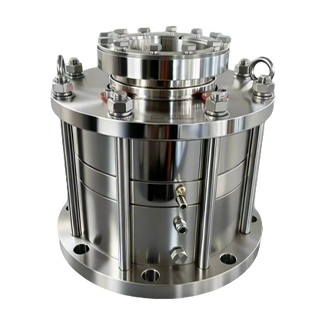
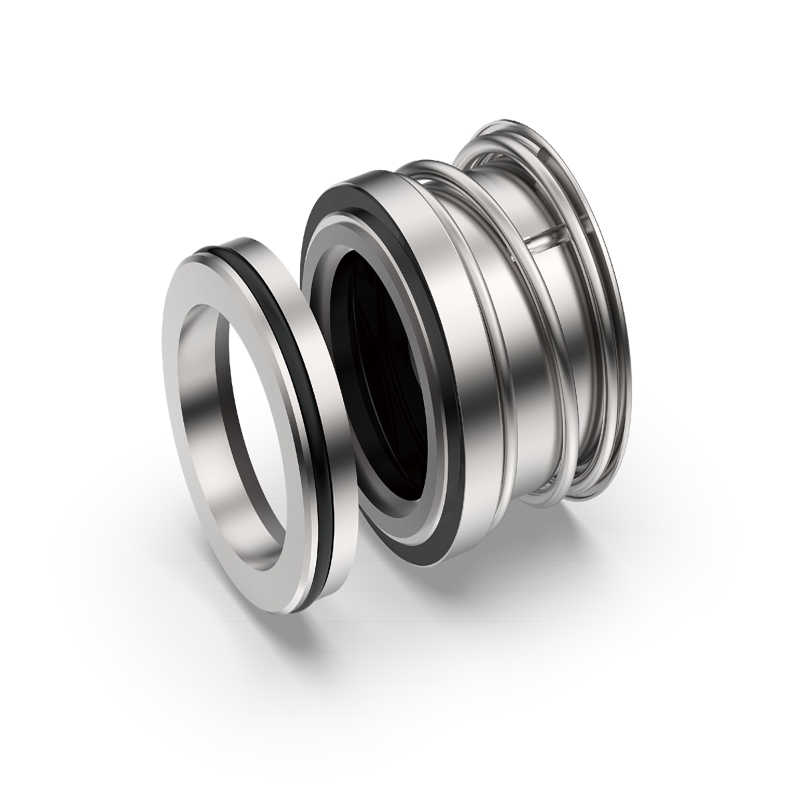
For reactor-specific configurations, XYM lists a dedicated reactor seal product range and individual designs, including 2009U and 2010U reactor seal information; suitability still depends on the actual equipment and operating conditions.
Before comparing remedies, define what “repeated” means for this asset: number of interventions, time in service, operating cycles, batch phases, and whether the symptoms recur in the same location. Separate primary evidence from hypotheses. A damaged seal face, worn sleeve, loose fastener, degraded secondary seal, or material incompatibility can point to different corrective paths. So can installation practices, shaft movement, pressure or temperature excursions, solids, dry running, or an unsuitable support system. Do not treat a visible leak as proof that the seal faces alone caused it.
Preserve the removed components and record their orientation. Photograph the faces, secondary seals, springs or other loading elements, sleeve, gland, and nearby process connections before cleaning. Capture process composition, concentration, temperature, pressure, speed, batch cycle, startup and shutdown events, cleaning steps, and the exact point when leakage began. A supplier assessment is more useful when it can distinguish damage caused by the initiating event from damage created during removal or handling.
If the cause is not established, price a failure review as part of the decision. Repeating the previous repair or replacement without correcting the cause can reset the same cost cycle rather than resolve it.
Use a common time horizon—such as the next planned turnaround or a site-selected operating period—and the same production assumptions for each alternative. Include the one-time intervention plus the expected cost of further failures within that period. Keep measured costs, estimates, and unknowns in separate columns; do not disguise uncertainty as a precise forecast.
Repair is attractive when inspection finds serviceable parts and the damage is limited to components that can be restored or replaced under an approved repair scope. It may have a lower immediate parts cost and can preserve a familiar configuration. But count removal, transport, inspection, machining or lapping if required, reassembly, testing, reinstallation, and the possibility that a hidden or recurring cause remains. Repair is weak value if the design no longer matches the process or the same failure mechanism is left untouched.
A like-for-like replacement can be the practical choice when the design is verified for current conditions, the failure was isolated, and a ready spare limits recovery time. Include purchase price, procurement lead time, installation labor, alignment and commissioning checks, and the cost of holding a spare. Confirm that the new unit really matches the installed dimensions, materials, interfaces, and operating envelope; “same model” is not a substitute for checking whether the process has changed.
An upgrade may address a documented weakness—for example, a material issue, a configuration that cannot accommodate the actual operating cycle, or a support arrangement that needs reconsideration. Its cost can include engineering review, dimensional changes, piping or auxiliary-equipment work, procurement, installation, validation, operator training, and a longer outage. Estimate benefits only against a stated failure mechanism and verified design proposal. A more complex arrangement can also add inspection, maintenance, and spare-parts requirements.
For XYM reactor applications, use the product information as a starting point rather than a blanket fit claim. A reactor seal selection guide can help structure the data to review, while the final configuration and materials must be confirmed for the specific service.
A usable comparison can be built from the plant’s own records. For each option, calculate the cost of the initial intervention and the expected repeat events over the chosen period. One practical structure is:
Total expected cost = seal and repair parts + removal/reinstallation labor + planned and unplanned downtime + batch loss or downgrade + cleaning and waste handling + safety/environmental controls + support-system work + spare inventory + expected repeat-failure cost.

For downtime, use the site’s approved value per hour multiplied by the hours attributable to each option. Establish whether the reactor is the production bottleneck and whether lost capacity can be recovered later; avoid counting the same lost output both as downtime and as a lost batch. For batch impact, use the actual disposition cost of scrap, rework, downgrade, extra testing, or delayed release. Record cleanup hours, cleaning agents, disposal, contractor support, and restart checks separately where useful.
Labor should include maintenance, operations, engineering, inspection, and contractor time—not just the technician who changes the seal. Safety and environmental costs should reflect the plant’s real controls, exposure assessment, containment, permitting, and incident-response requirements. Do not assign a generic monetary value to injury risk. Instead, document hazards and required safeguards as a decision gate; an option that cannot meet site requirements is not economically acceptable.
Finally, include the support system and spares. A change may require additional instrumentation, reservoir or piping modifications, compatible barrier or flush fluid, commissioning work, or a different spare strategy. Count normal planned maintenance as well as emergency inventory. Use a range for uncertain failure frequency and outage duration, then test whether the preferred option changes under conservative assumptions.
Choose repair when evidence shows a repairable condition, the configuration remains fit for service, and the expected repeat cost is acceptable. Choose like-for-like replacement when the design remains appropriate, recurrence is not pointing to an unresolved mismatch, and restoring the known arrangement is the lowest-risk route. Investigate an upgrade when the evidence repeatedly points to a correctable design, materials, operating-envelope, or support-system issue—and when the lifecycle case survives realistic installation and outage assumptions.
If the evidence is inconclusive, compare the cost of obtaining it with the cost of another unplanned event. A controlled inspection, dimensional check, process review, or supplier failure analysis may prevent an expensive decision based on a guess. Agree in advance what evidence would change the decision, what the acceptable outage window is, and what performance criteria will be verified after restart.
For a useful failure review or replacement assessment, gather the seal model and serial or drawing reference; reactor and shaft dimensions; process media and concentration range; pressure, temperature, speed, and batch-cycle data; cleaning and flushing conditions; support-system details; installation and maintenance history; failure dates and run time; photographs and retained components; and downtime, batch, labor, cleaning, and spare costs. Include what changed before the failures began and any previous corrective actions.
XYM’s published reactor-seal materials include designs for reactor service, but a specific repair or upgrade recommendation requires application details and confirmation against the relevant drawing and specification. Send the records with a clear statement of the decision needed: repair scope, same-model replacement fit, or an upgrade assessment.
To begin that discussion, contact the XYM technical team with the failure history, operating data, drawings, and cost assumptions available to your site.
The true cost of repeated reactor seal failures includes more than the seal itself. Compare repair, like-for-like replacement, and upgrade over the same period, accounting for downtime, batch disposition, labor, cleaning, required safety controls, support equipment, and spare inventory. Let failure evidence determine which costs and benefits are credible. Where the mechanism is unclear or the process has changed, a documented failure review or replacement assessment is a sound next step before ordering the next unit.
Repair can make sense when inspection confirms limited, repairable damage, the seal remains suitable for current service, and the repair scope can be verified. Replace it when wear, damage, uncertainty, or repair economics make another service cycle unacceptable.
Use the plant’s approved downtime cost per hour and the hours each option is expected to require, separating planned outage from unplanned production loss. Check bottleneck and recoverable production assumptions, and avoid double-counting batch loss.
Not by itself. Repetition calls for a failure review. Installation, process changes, operating excursions, materials, support conditions, and maintenance can all contribute; upgrade only when evidence supports a specific corrective change.
Provide the seal drawing or model, reactor and shaft dimensions, fluid composition and concentration, operating pressure and temperature, speed and cycle, support-system details, failure evidence, and maintenance history. Cost and outage records help compare alternatives.