Nullam dignissim, ante scelerisque the is euismod fermentum odio sem semper the is erat, a feugiat leo urna eget eros. Duis Aenean a imperdiet risus.
Nullam dignissim, ante scelerisque the is euismod fermentum odio sem semper the is erat, a feugiat leo urna eget eros. Duis Aenean a imperdiet risus.
 author
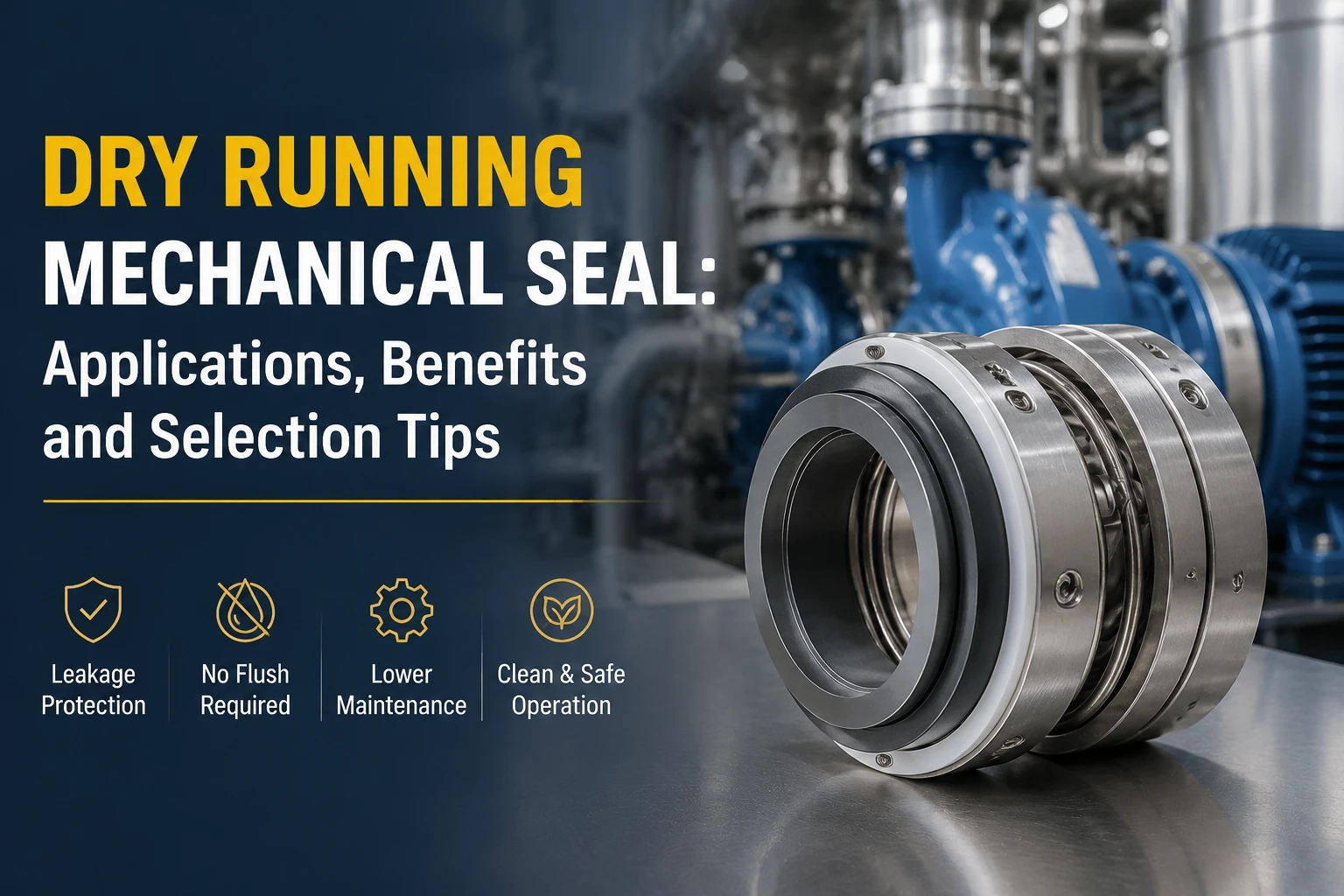
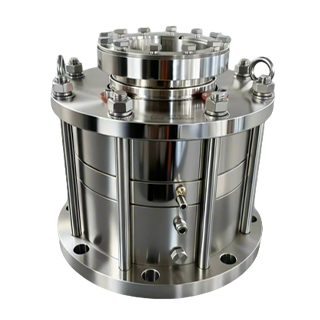
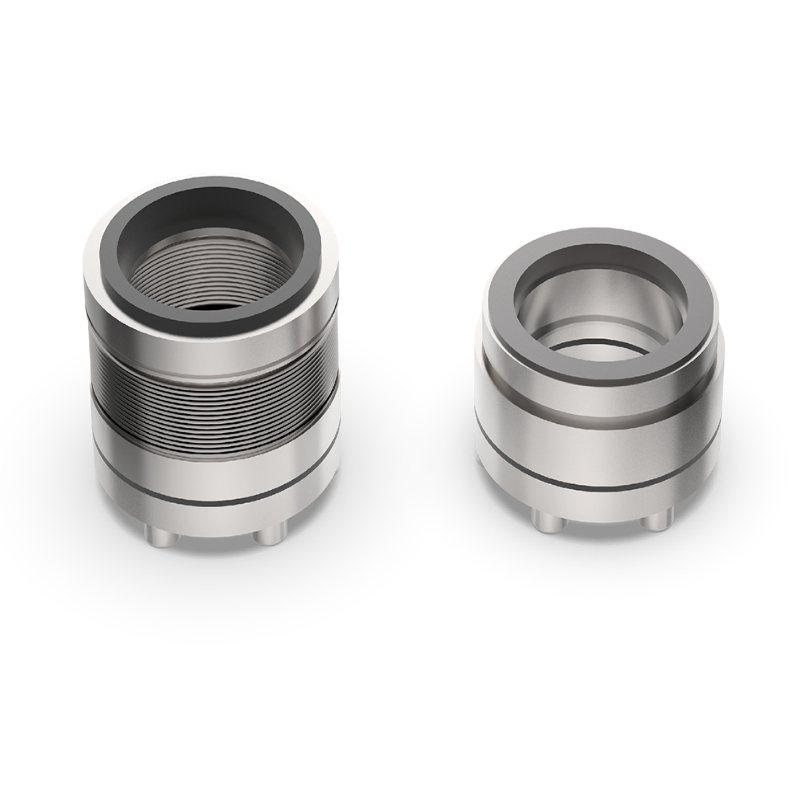
A dry running mechanical seal is designed to maintain sealing performance without a conventional liquid film at the faces. It is useful where process contamination, unavailable flush fluid, or a dry product zone rules out a wet seal. It does not mean every pump can be operated dry without limits. Faces, materials, speed, pressure, heat path, and equipment movement must match the intended duty.
This guide explains where dry running seals add value, how they differ from wet-running arrangements, and which data should be checked before specifying one. Xinyoumi’s PTFE-and-SSiC dry-running solution is one verified example for highly toxic and corrosive positive-electrode reactor service.
In a wet-running arrangement, a process, flush, buffer, or barrier liquid helps separate and cool the mating faces. In a dry-running arrangement, the face pair and secondary seals are selected to manage contact, heat, and wear with little or no external liquid at the interface. Some designs use a controlled gas environment or a dry product chamber; others are intended for intermittent dry periods rather than continuous dry operation.
The term therefore describes an engineered operating condition, not a blanket tolerance for poor operation. A blocked cooling line, empty pump casing, or misaligned shaft can still destroy a dry-running seal. Always follow the supplier’s stated limits for speed, pressure, temperature, start-up, and allowable dry duration.
Dry-running designs are most useful when adding liquid to the sealed space would create a process, safety, or maintenance problem. Typical applications include:
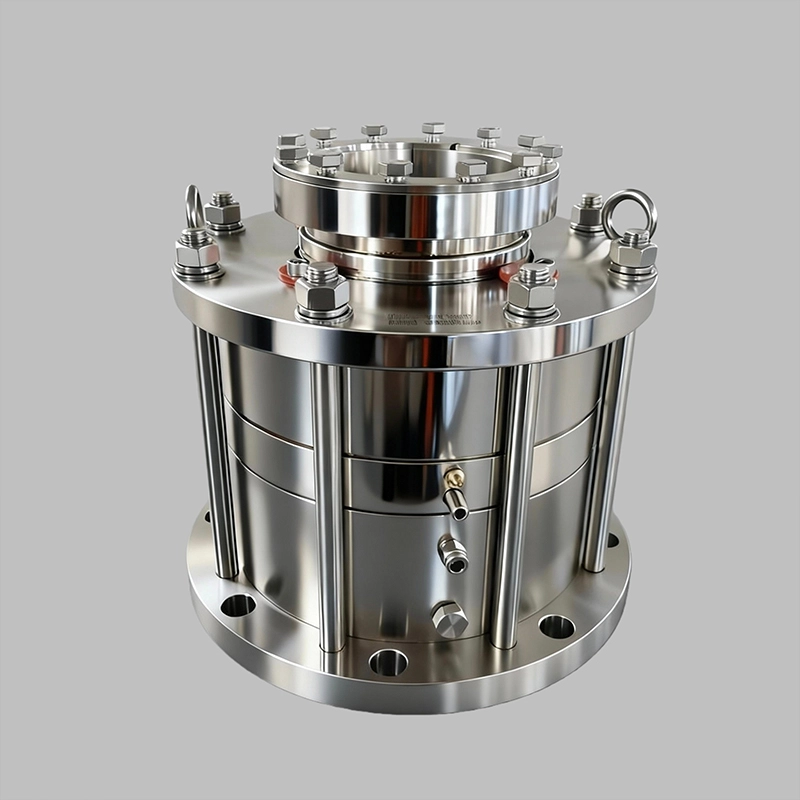
This list is only a starting point. The process, not the dry-service label, determines the design.
The main benefit is controlled cleanliness. Removing a circulating liquid can reduce the chance of product dilution, lubricant carryover, or contamination from an auxiliary circuit. In a well-designed installation, the simpler fluid arrangement can also reduce the number of pumps, filters, reservoirs, and instruments that require maintenance.
Dry-running products may also offer lower operating noise and a cleaner work area; these are stated product characteristics in Xinyoumi’s technical material, not universal guarantees for every configuration. A dry arrangement can be attractive where water quality is poor, freezing is possible, or a compatible barrier fluid is difficult to source. When a common platform supports wet and dry versions, spare-part strategy can be simplified, but only after the face materials and operating envelope are confirmed.
Balance these benefits against tighter installation control, face inspection, monitoring, and application-specific testing. A dry seal is valuable when its process and maintenance advantages justify that engineering discipline.
State whether the seal is continuously dry, dry only during a product phase, or exposed to short dry starts and stops. Record normal and maximum shaft speed, pressure, temperature, vacuum, start frequency, run time, and any planned cleaning or sterilization cycle. Note whether the shaft is horizontal or vertical and whether the equipment has axial movement, radial runout, or thermal growth.
A dry-running design must dissipate face heat through its materials and surrounding structure. Higher speed, pressure, or temperature increases the need for a verified heat path. Do not convert a wet seal to dry service by simply removing the flush line unless the manufacturer has approved that configuration.
Choose the friction pair for the combination of wear, chemistry, speed, and temperature. Xinyoumi’s knowledge base lists graphite, silicon carbide, and tungsten carbide combinations for pump seals, with SiC-SiC identified for highly abrasive service. For dry service, the pair must also maintain stable friction and heat behavior under the stated duty; hardness alone is not enough.
Secondary seals can be the limiting component. NBR, FKM, EPDM, PTFE, and perfluoroelastomer options have different chemical and temperature ranges. Check exposure to process liquid, vapor, cleaning chemicals, and any solvent. The PTFE and SSiC pairing described for the positive-electrode application is a confirmed example, but it should not be generalized to every chemical or temperature without a supplier review.
Confirm shaft diameter, sleeve condition, chamber dimensions, gland space, setting length, rotation, and drive method. Cartridge construction can reduce setting errors, while component or split formats may better suit a retrofit. Xinyoumi’s pump seal product range includes several configurations; the correct model still depends on the equipment drawing and duty cycle.
Check shaft alignment, bearing condition, coupling alignment, and runout before installation. Dry faces are less forgiving of vibration and setting errors because there may be no liquid film to absorb heat or particles. Include start-up instructions, run-in requirements, alarm points, and inspection intervals in the maintenance plan.
Use the simplest monitoring that answers the real risk: face temperature, speed, pressure, vibration, leakage detection, or a dry-run interlock. For a hazardous or high-value process, specify what happens when a limit is exceeded and who must stop the equipment. A dry seal may reduce auxiliary fluid systems, but it does not remove the need for operating controls.
Commission with clean faces, verified setting dimensions, correct torque, and a controlled first run. Record baseline vibration, temperature, leakage, and noise. Investigate a rapid change rather than waiting for visible failure. If the pump or mixer can be empty during normal operation, confirm that the selected seal is designed for that exact period and speed.
A useful RFQ lets the supplier evaluate dry-running conditions instead of guessing from a model number. Send the equipment model and drawing, shaft and chamber dimensions, speed, pressure, temperature, medium composition, solids or powder characteristics, cleaning cycle, orientation, runout, and expected duty cycle. Add photos of the installed seal and any failed faces, elastomers, sleeves, or springs.
Ask the supplier to state the proposed face pair, secondary seals, maximum continuous and intermittent dry limits, required monitoring, installation settings, and any conditions that require cooling or an auxiliary system. Xinyoumi lists a one-stop service system for support from selection through operation; use that review to document assumptions before purchase. For final fit confirmation, contact the technical team with the complete application data.
Dry running mechanical seals can improve cleanliness, reduce dependence on auxiliary liquids, and support demanding reactor, mixer, dryer, pharmaceutical, food, and chemical applications. Their value depends on disciplined selection: define the duty cycle, match faces and secondary seals, verify shaft and chamber geometry, and commission with monitoring. Treat dry running as a specified operating condition, never as permission to ignore lubrication, heat, alignment, or start-up limits.
No. Only a design and material combination approved for the stated dry duty should be used. A conventional wet seal may fail quickly without its required liquid film.
No. They still require correct installation, monitoring, inspection, and replacement planning. The maintenance profile may change because an auxiliary liquid circuit is reduced or removed.
Clarify when and how long the faces will be dry, then document speed, pressure, temperature, chemistry, shaft movement, and cleaning conditions for that duty cycle.
Some platforms support conversion by changing the friction pair, but compatibility, cooling, pressure, and materials must be confirmed for the new service before making the change.