Nullam dignissim, ante scelerisque the is euismod fermentum odio sem semper the is erat, a feugiat leo urna eget eros. Duis Aenean a imperdiet risus.
Nullam dignissim, ante scelerisque the is euismod fermentum odio sem semper the is erat, a feugiat leo urna eget eros. Duis Aenean a imperdiet risus.
 author
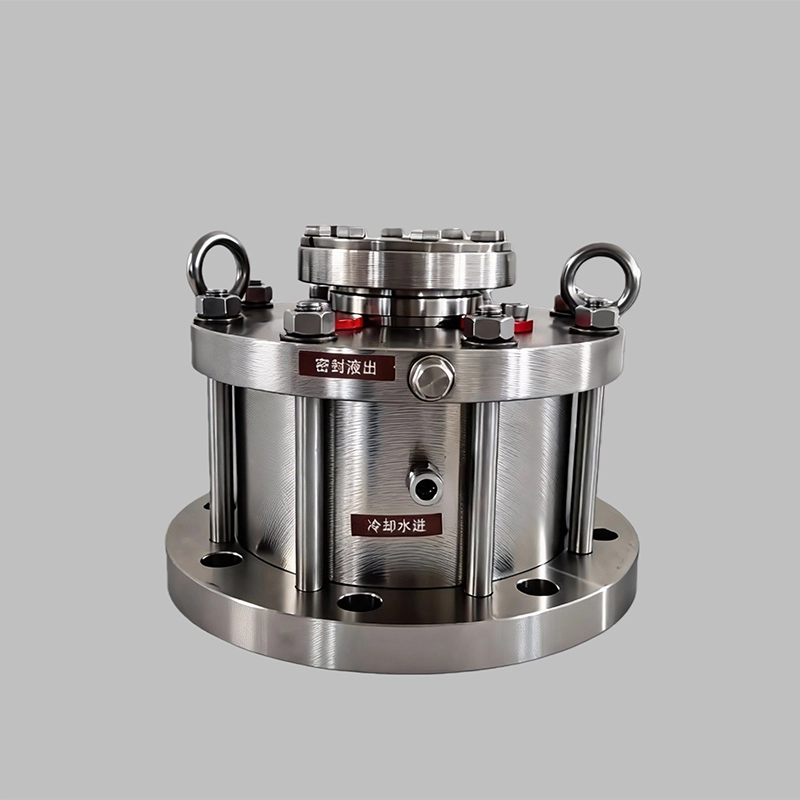
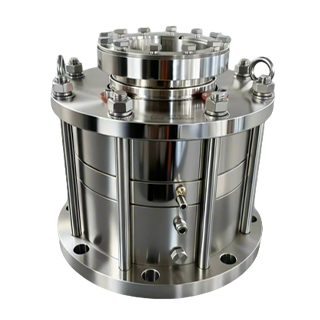
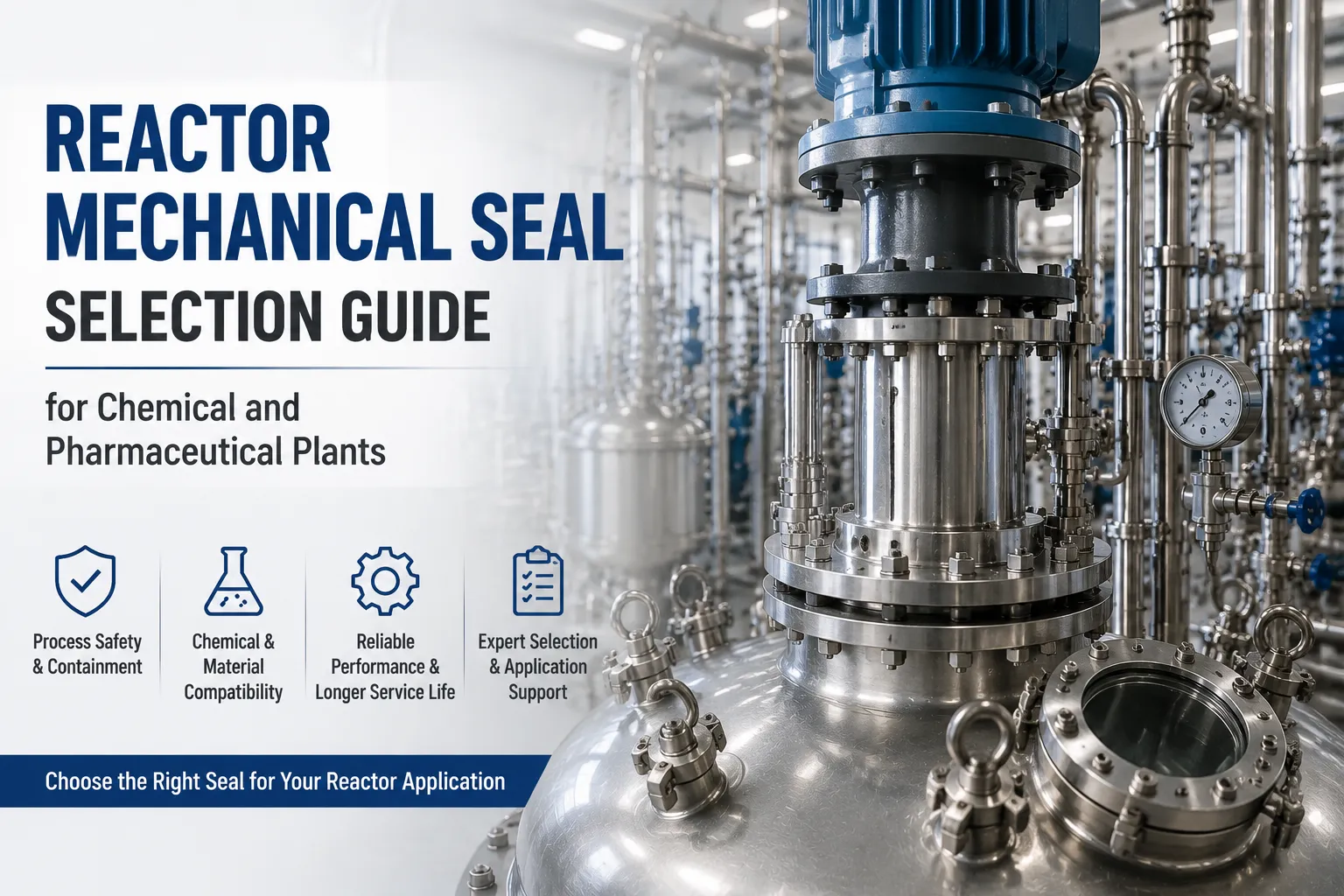
Selecting a glass-lined reactor mechanical seal requires more than matching the shaft diameter or replacing an old seal with a visually similar model. The correct configuration depends on the process medium, leakage risk, pressure or vacuum, temperature, shaft movement, contamination limits, and available support system.
For engineers and purchasing teams, the main decision is usually whether the application requires a single or double seal and whether the seal should operate with a liquid barrier or a dry gas arrangement. A broader explanation of common structures and materials is available in the general reactor mechanical seal selection guide.
The choice of the agitator seal for a glass lined reactor is to be made considering the real operating condition. Two reactors that have the same shaft diameter could need different seals due to the difference in operating condition.
The first consideration is the material inside the vessel. Toxic, flammable, volatile, corrosive, or high-value media generally require stricter containment than nonhazardous liquids. The buyer should also determine whether minor atmospheric leakage is acceptable or whether a secondary containment interface is needed.
Chemical compatibility must be checked for the seal faces, secondary seals, sleeves, and product-contact components. Compatibility may vary with concentration, temperature, cleaning chemicals, and exposure time.
A vacuum reactor mechanical seal must remain stable when the pressure direction changes or when the vessel moves between vacuum and positive pressure. Normal operating pressure alone is not enough; startup, shutdown, cleaning, and abnormal conditions should also be considered.
Temperature affects the seal faces, elastomers, lubrication condition, and cooling demand. The supplier should receive both operating and maximum design temperatures rather than a single average value.
Long agitator shafts can create radial runout, vibration, or axial movement. These conditions may prevent the seal faces from maintaining a stable interface and can cause repeated leakage even after a new seal is installed.
A bearing-supported reactor seal may be considered when the existing drive arrangement cannot provide sufficient shaft stability. The need for an integrated bearing depends on the reactor design, gearbox condition, installation position, and measured shaft movement.
The choice between a single and double mechanical seal for a glass-lined reactor should be based on process risk rather than purchase price alone. The dry vs wet reactor seal decision should focus on lubrication, contamination control, utilities, and maintenance.
| Selection issue | Single seal | Double seal | Dry or gas-lubricated seal | Wet or liquid-barrier seal |
|---|---|---|---|---|
| Typical use | Lower-risk, stable service | Hazardous or leakage-sensitive service | Processes where liquid contamination is a concern | Applications requiring liquid lubrication and containment |
| Leakage control | One sealing interface | Two sealing interfaces | Depends on gas pressure and seal design | Depends on barrier-fluid pressure and circulation |
| Support requirements | Usually simpler | Often requires a support system | May require a controlled nitrogen supply | Requires suitable barrier liquid and related equipment |
| Main purchasing concern | Correct material and operating range | System design and barrier control | Gas quality, pressure, and face condition | Fluid compatibility, pressure, and possible batch entry |
| Maintenance demand | Generally lower | More components to monitor | Gas consumption and dry-face condition | Fluid level, temperature, pressure, and circulation |
A single seal may be considered for relatively low-risk media, stable operating conditions, and applications where limited leakage consequences can be managed. It may offer a simpler arrangement with fewer auxiliary components.
However, a single seal should not be selected solely because it costs less. Medium hazards, vacuum conditions, cleaning cycles, and shaft runout still require review.
A double mechanical seal for a glass-lined reactor is often evaluated when the medium is toxic, volatile, flammable, strongly odorous, expensive, or sensitive to atmospheric exposure. The second sealing interface can provide additional containment, but its effectiveness depends on correct barrier pressure and support-system operation.
The specification should state whether the system uses a buffer fluid, pressurized barrier fluid, or another arrangement. Simply ordering a “double seal” without defining the support conditions can lead to poor performance.
A dry mechanical seal for a glass-lined reactor may be appropriate when liquid entering the batch is unacceptable. A nitrogen barrier mechanical seal can be considered for pharmaceutical, food, fine chemical, or other contamination-sensitive processes, depending on the application.
Gas pressure, supply stability, face design, operating speed, and vacuum conditions must be reviewed. Dry operation does not remove the need to monitor wear or shaft movement.
A wet seal uses liquid around the sealing faces for lubrication, heat control, and containment. The barrier fluid for a reactor seal must be chemically compatible with the process and suitable for the required temperature range.
Purchasers should ask what happens if the barrier fluid enters the reactor, how pressure is controlled, and what monitoring is required. A wet design may be unsuitable when even a small amount of liquid could affect product purity.
Repeated failure does not always mean the seal model is defective. Understanding why glass-lined reactor seals fail can prevent the same problem from returning after replacement.
Gearbox wear, bearing problems, poor alignment, and agitator imbalance can increase shaft movement. A new seal may begin leaking quickly if the underlying drive problem is not corrected or accommodated by the seal design.
A double wet seal can fail when the barrier pressure is too low, too high, unstable, or absent. A dry seal can suffer when the gas supply is interrupted or improperly controlled. Unusual gas or liquid consumption may indicate face wear, leakage, or a system problem.
Incorrect elastomers may swell, harden, crack, or lose sealing force. Seal faces may be damaged during installation, while uneven tightening or incorrect compression can distort the assembly.
Material selection should be verified against the medium concentration, temperature, solids content, cleaning method, and actual operating environment.
Preventing reactor mechanical seal leakage requires attention to the entire sealing system, not only the replaceable cartridge.
Maintenance teams should monitor barrier-fluid level, temperature, pressure, and circulation where applicable. Gas-lubricated designs should be checked for abnormal nitrogen consumption or supply instability. Changes in these values can provide an early warning before visible leakage develops.
Shaft runout and gearbox condition should be checked after repeated seal failures. Operating procedures should also be reviewed to confirm that the reactor is not running outside the approved speed, pressure, vacuum, fill level, or temperature range.
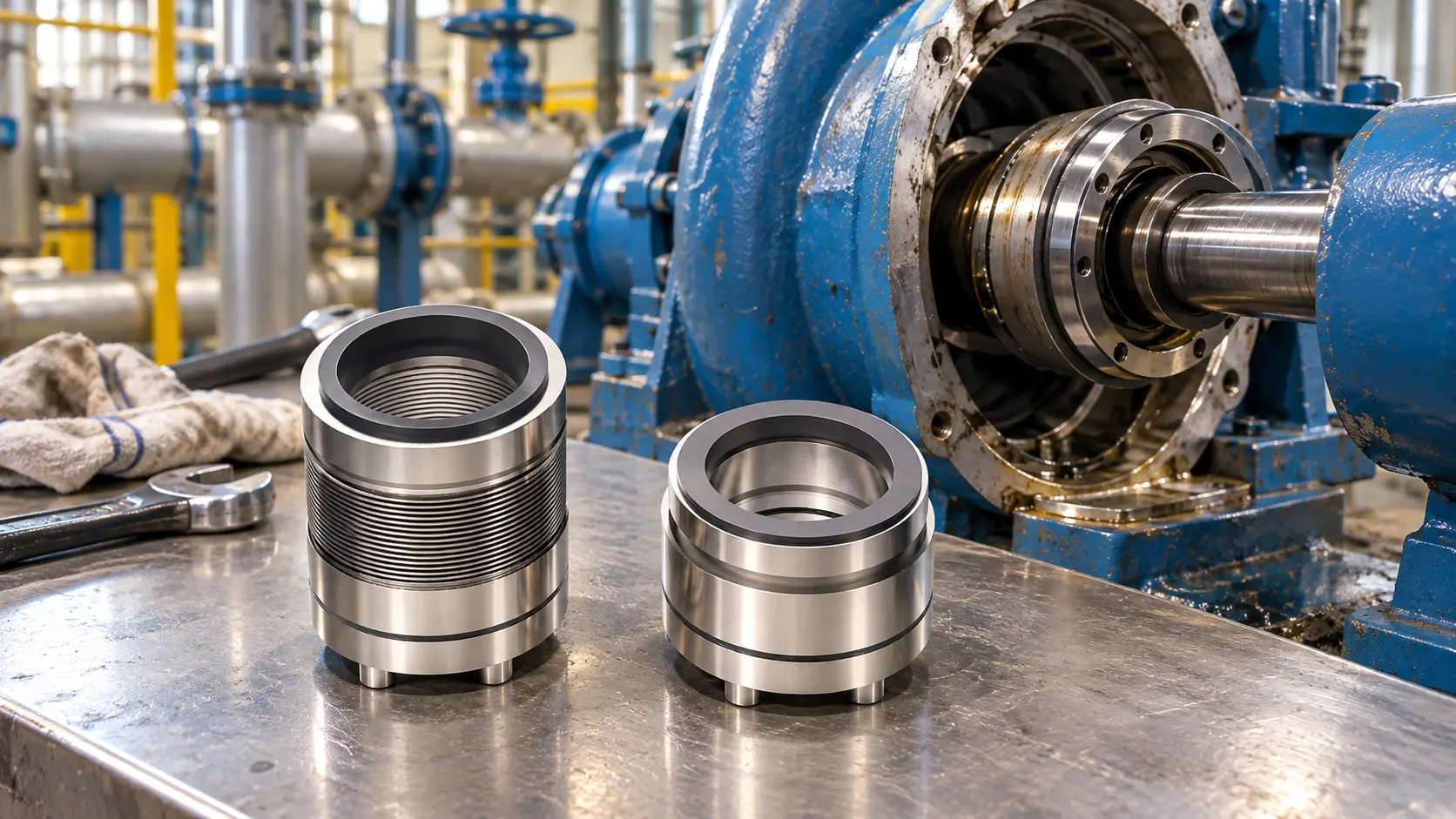
Before installing the same replacement mechanical seal for a glass-lined reactor, the failed components should be examined. Face scoring, deposits, damaged secondary seals, or uneven wear can help identify whether the root cause is material attack, dry running, contamination, misalignment, or an unsuitable configuration.
A glass-lined reactor seal replacement should not be quoted from shaft diameter alone. Accurate reactor mechanical seal selection data reduces dimensional errors and helps the supplier identify risks before manufacturing.
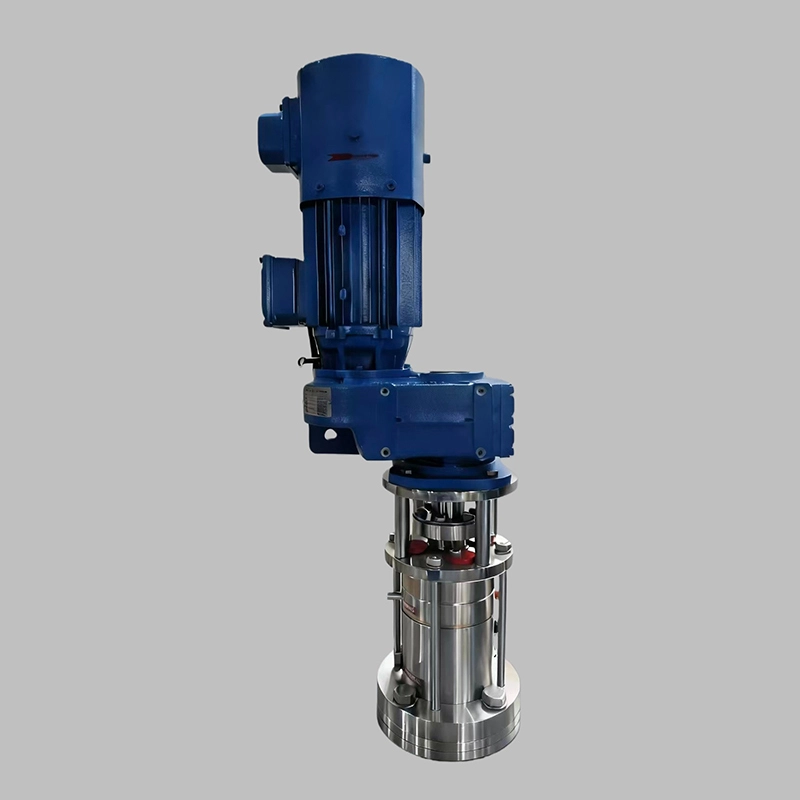
Provide the following information:
For an obsolete or unidentified unit, a custom reactor mechanical seal may be developed around verified dimensions and operating data. A sample can also help, but the supplier still needs to understand why the original seal failed.
A qualified glass-lined reactor mechanical seal supplier should review the application rather than simply match a catalog number. The quotation should explain the recommended configuration, required support system, material direction, critical dimensions, and information still requiring confirmation.
The supplier should also clarify which parts are replaceable, what drawings will be provided, and whether spare components can be ordered with the main assembly. Modular construction can make future maintenance easier when related seal designs share service parts.
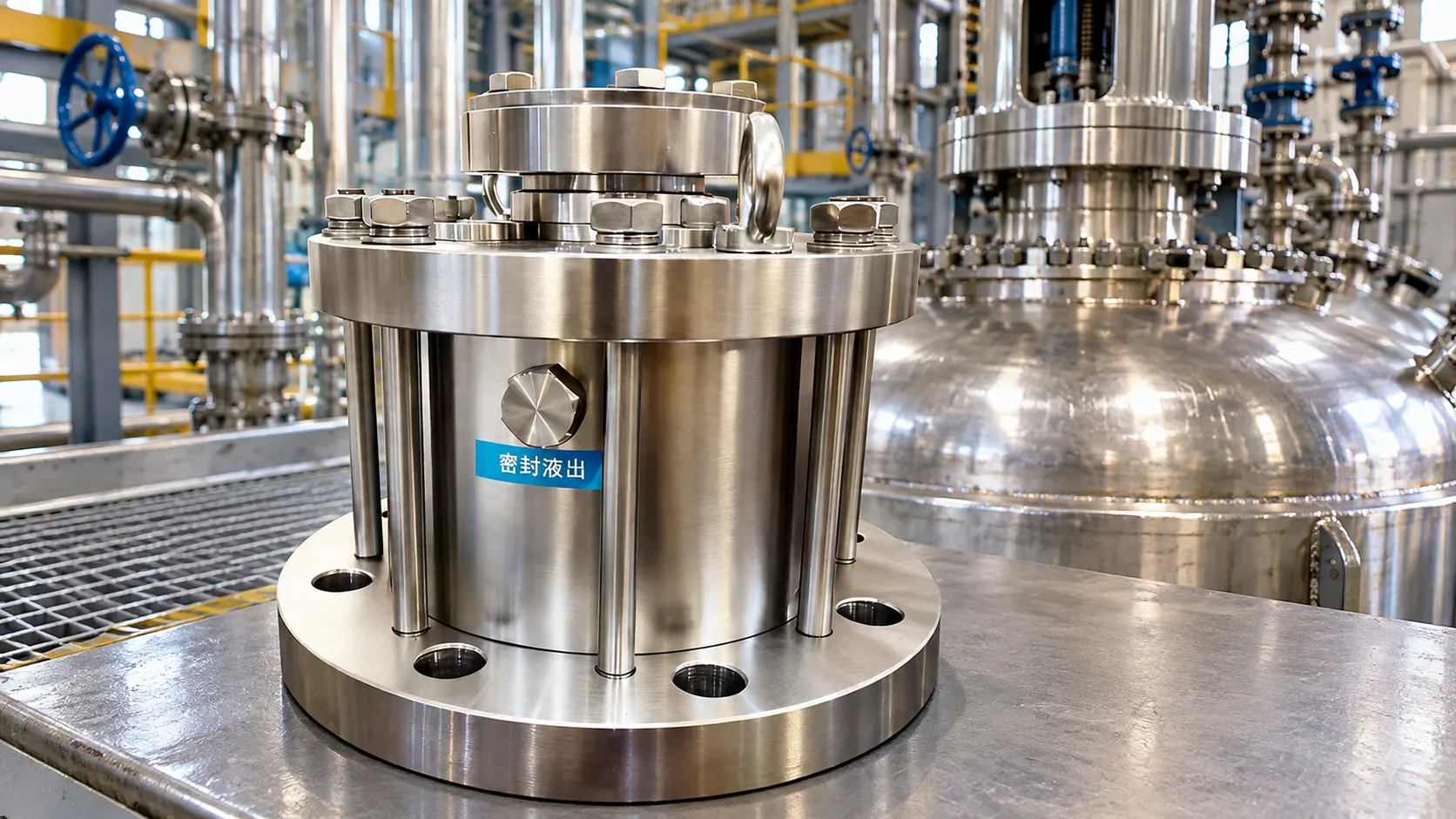
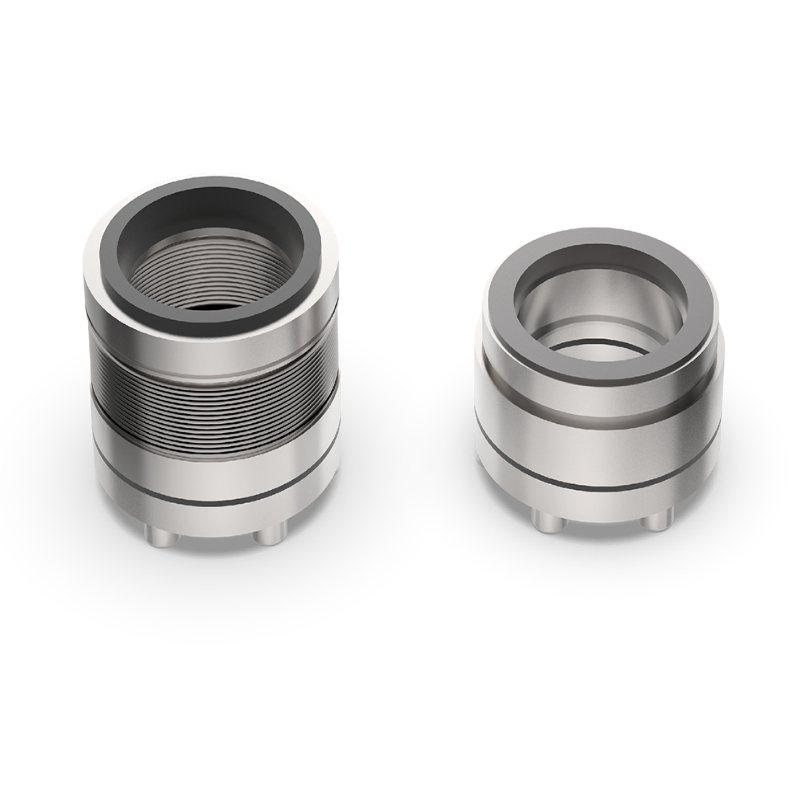
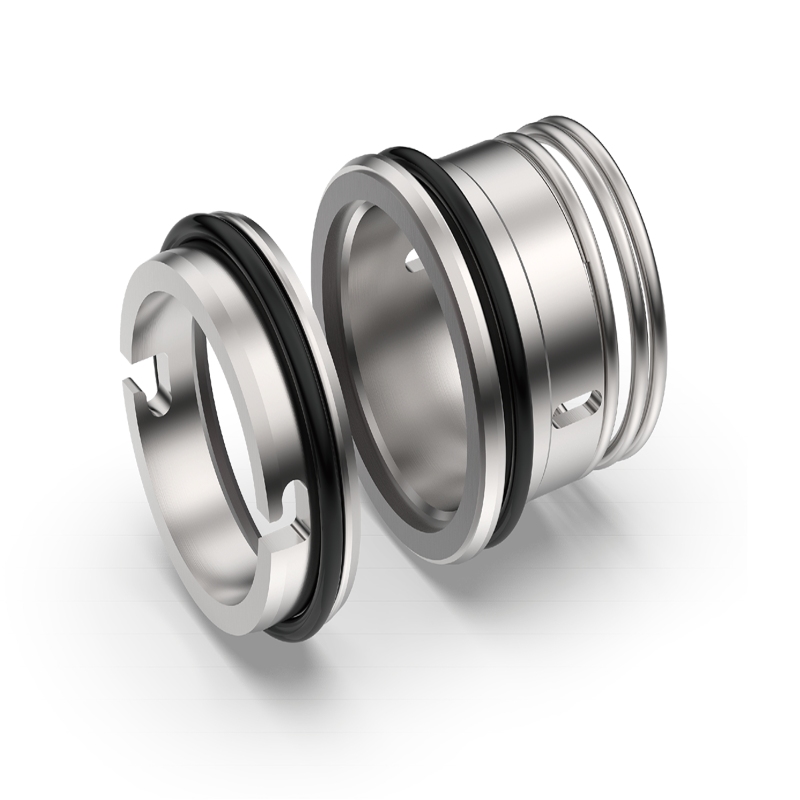
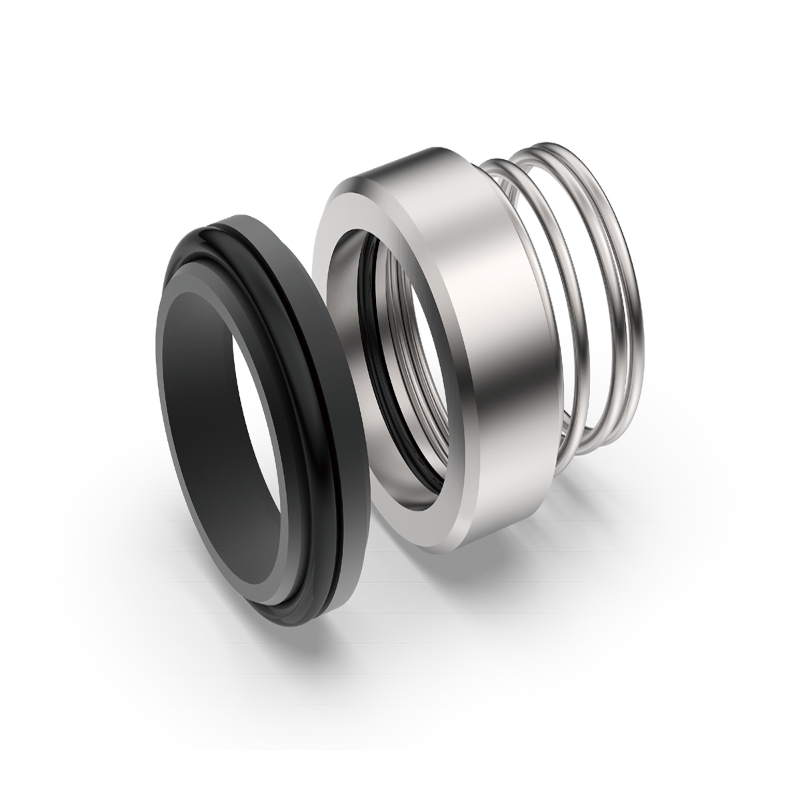
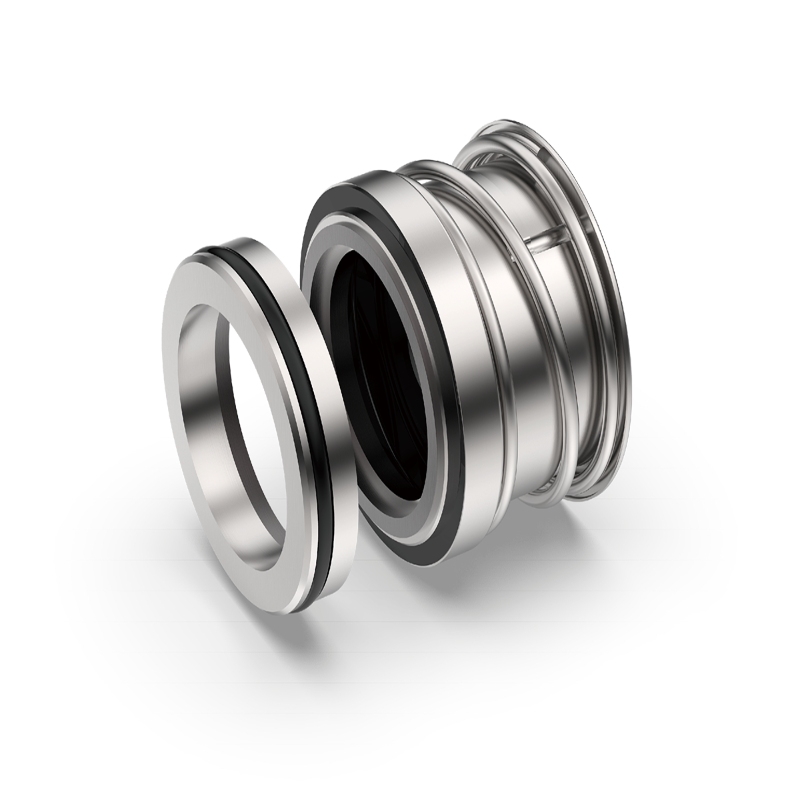
Kunshan Xinyoumi Mechanical Seal Technology Co., Ltd. designs and supplies fluid mechanical seals for industrial equipment, including reactor sealing applications. Its confirmed product scope includes mechanical seals for glass-lined, steel, and special-material reactors, with modular dry- and wet-running design options depending on the application. Relevant configurations can be reviewed under glass-lined reactor mechanical seal products.
For purchasing teams evaluating manufacturing background and service scope, additional company information is available under about Kunshan Xinyoumi Mechanical Seal Technology. The broader range of Xinyoumi mechanical seal solutions also provides context for projects involving pumps, agitators, reactors, and sealing auxiliary equipment.
Glass-lined reactor mechanical seal selection should begin with operating risk, process compatibility, shaft behavior, and contamination requirements. A single seal may suit lower-risk service, while a double seal may be required where containment is more important. Dry designs can reduce liquid-contamination concerns, while wet designs may provide more controlled face lubrication when the barrier system is properly selected.
Before requesting a reactor seal quotation, submit the reactor model, shaft and flange dimensions, pressure or vacuum, temperature, medium details, current seal drawing, failure photographs, quantity, and application requirements. Kunshan Xinyoumi Mechanical Seal Technology Co., Ltd. can use this information to review whether a standard, modular, or replacement configuration should be considered.
Q1: What type of mechanical seal is best for a glass-lined reactor?
A1: There is no single configuration for every reactor. Selection depends on the medium, leakage risk, pressure or vacuum, temperature, shaft runout, contamination limits, and support-system availability. These factors determine whether the application needs a single or double, dry or wet mechanical seal.
Q2: When should a double mechanical seal be used on a glass-lined reactor?
A2: A double seal should be evaluated when the medium is toxic, volatile, flammable, strongly odorous, expensive, or subject to strict leakage control. The barrier or buffer arrangement must also be specified correctly.
Q3: Can a dry-running seal be used under vacuum?
A3: It may be possible, but the seal design, gas pressure, vacuum level, shaft movement, and operating sequence must be reviewed together. Suitability should be verified against the specific seal configuration and reactor conditions.
Q4: Why does a glass-lined reactor seal leak after replacement?
A4: Common causes include excessive shaft runout, drive wear, damaged faces, incorrect elastomers, poor installation, insufficient lubrication, incorrect barrier pressure, or deposits between the seal faces. Replacing the same unit without identifying the failure cause may result in another short service life.
Q5: What information is required for a glass-lined reactor seal quotation?
A5: Provide the reactor and existing seal model, shaft and flange dimensions, speed, pressure, vacuum, temperatures, medium details, solids content, contamination limits, drawings, photographs, failure description, quantity, and delivery requirements.