Nullam dignissim, ante scelerisque the is euismod fermentum odio sem semper the is erat, a feugiat leo urna eget eros. Duis Aenean a imperdiet risus.
Nullam dignissim, ante scelerisque the is euismod fermentum odio sem semper the is erat, a feugiat leo urna eget eros. Duis Aenean a imperdiet risus.
 author
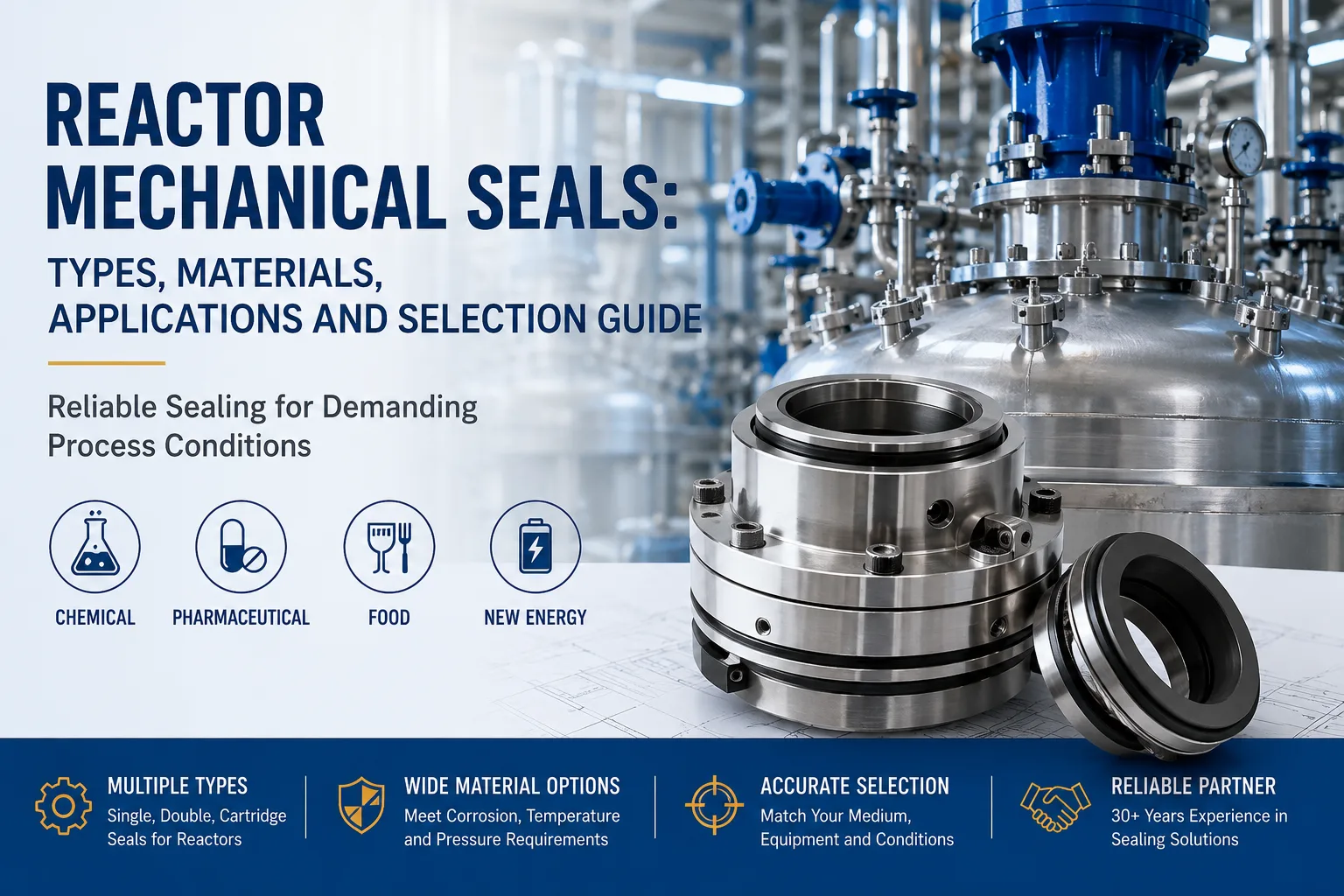
In chemical, pharmaceutical, food, and new energy plants, reactor mechanical seals are often treated as spare parts until leakage begins to disturb production. A small leak around an agitator shaft can waste material, contaminate the workshop, damage nearby equipment, or stop an entire batch. For procurement teams, the real cost is not only the seal price. It is the cost of downtime, repeated maintenance, delayed spare parts, and safety risk.
Kunshan Xinyoumi Mechanical Seal Technology Co., LTD has worked in fluid mechanical seals since 1995, serving buyers who need reactor seals, pump seals, agitator shaft seals, and sealing auxiliary systems. The company’s practical strength lies in modular design, stocked vulnerable parts, shorter delivery cycles, and cost-controlled manufacturing. Those details matter when a plant needs a reliable replacement instead of a long wait for a custom assembly.
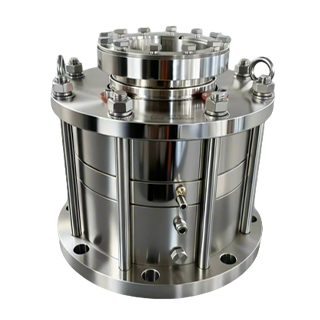
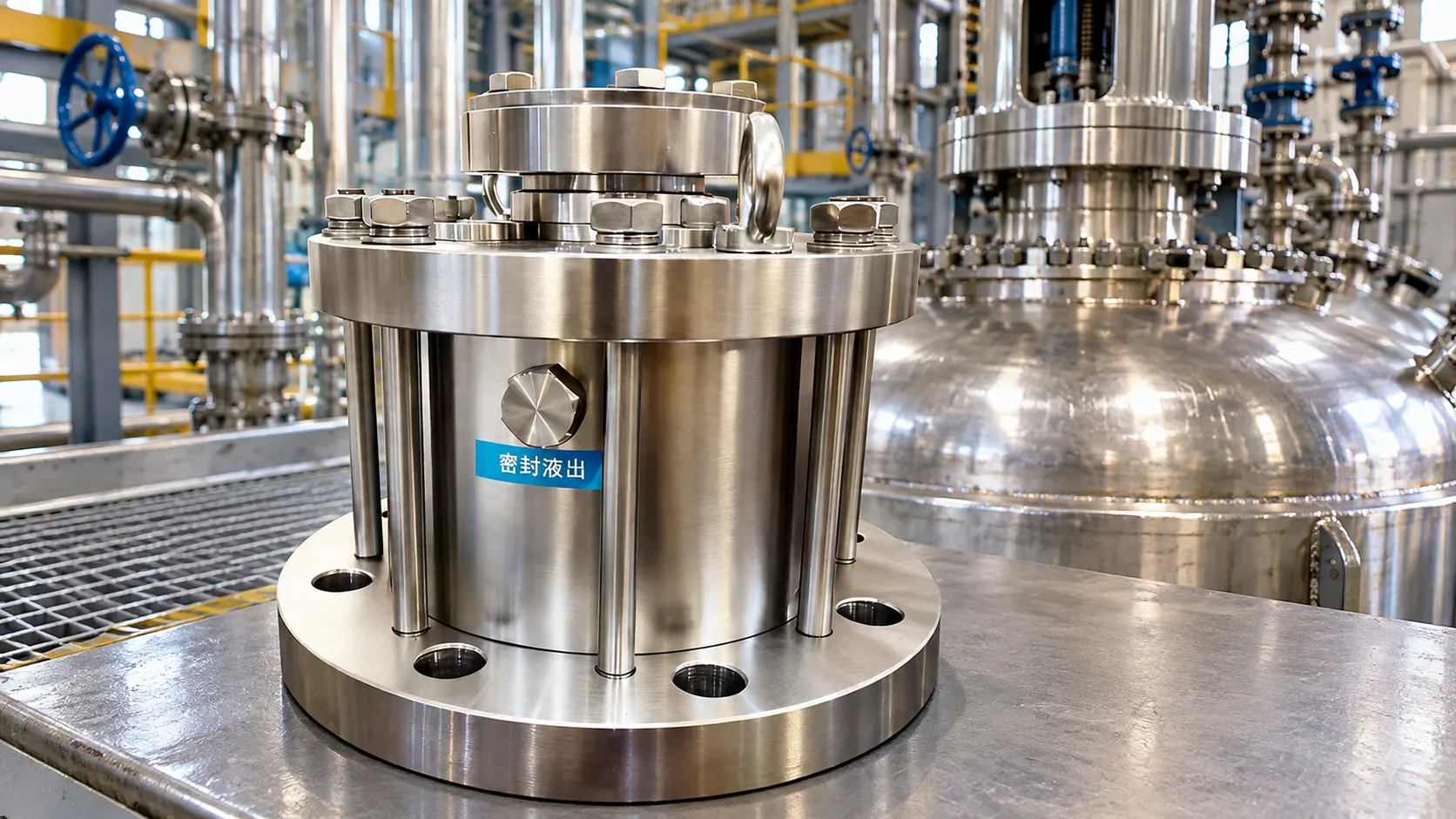
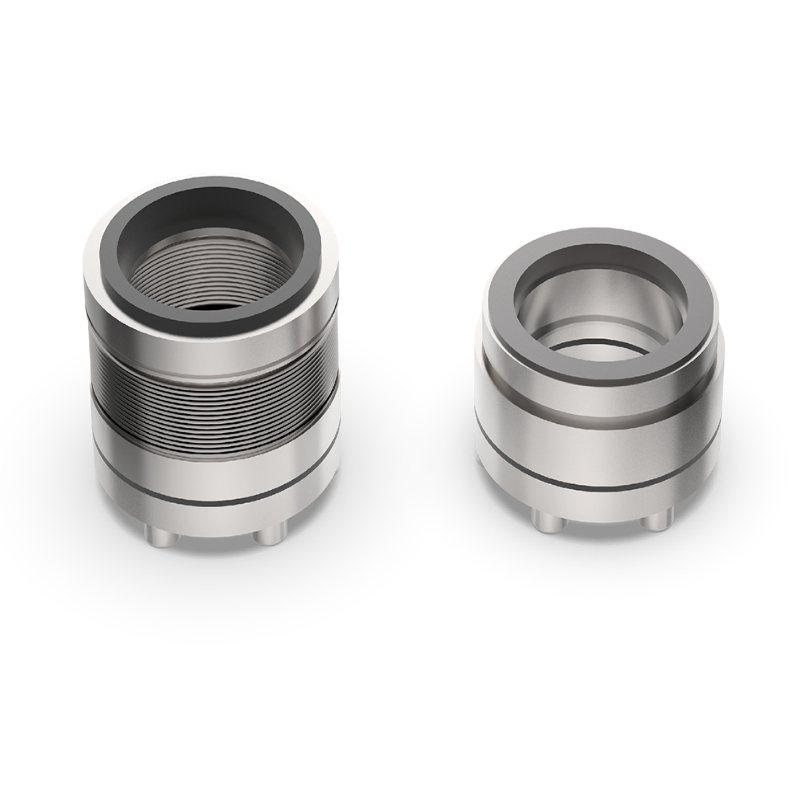
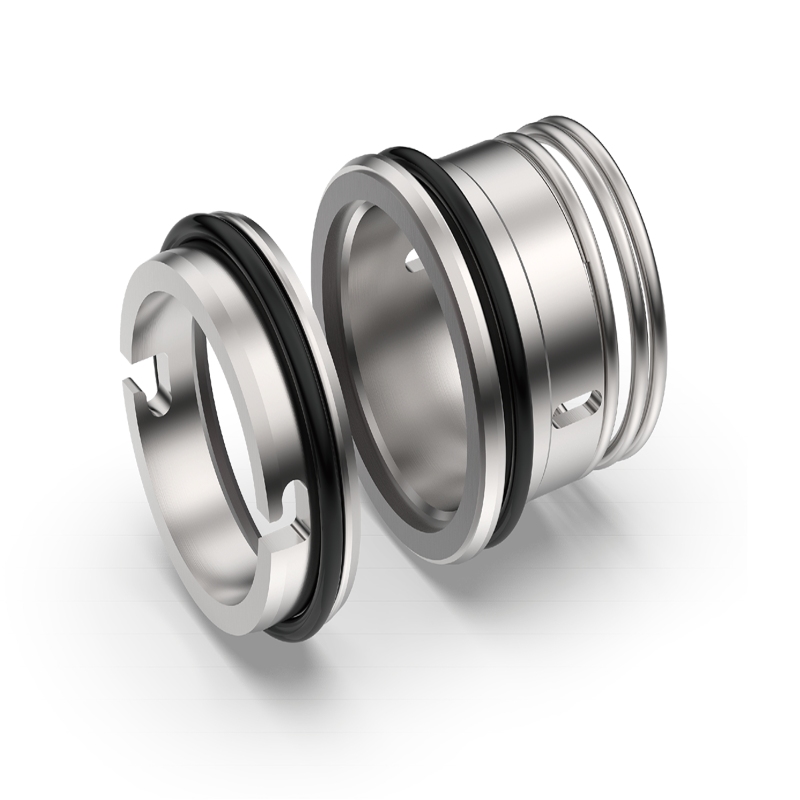
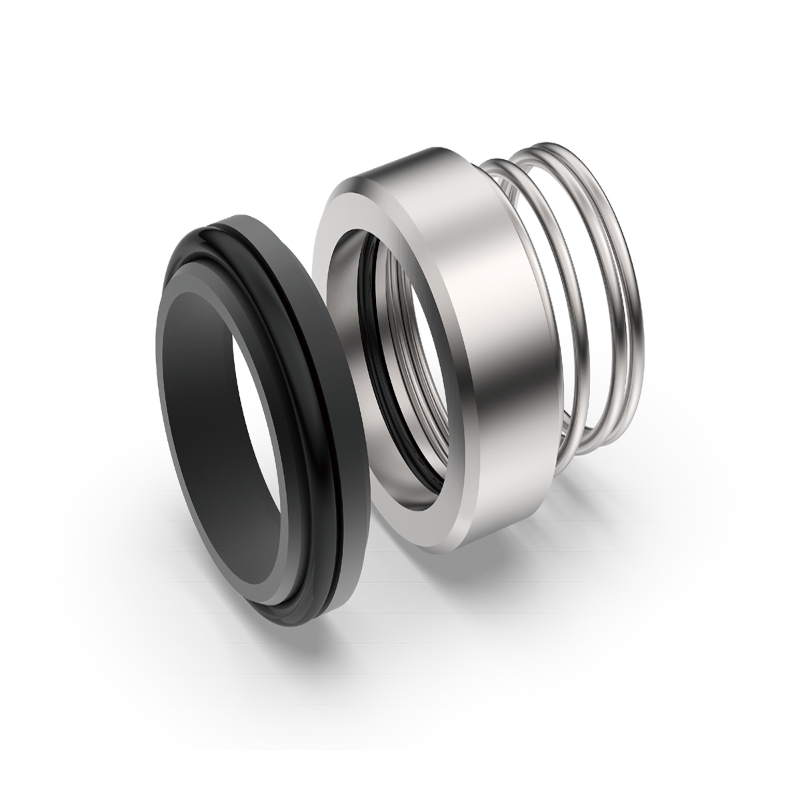
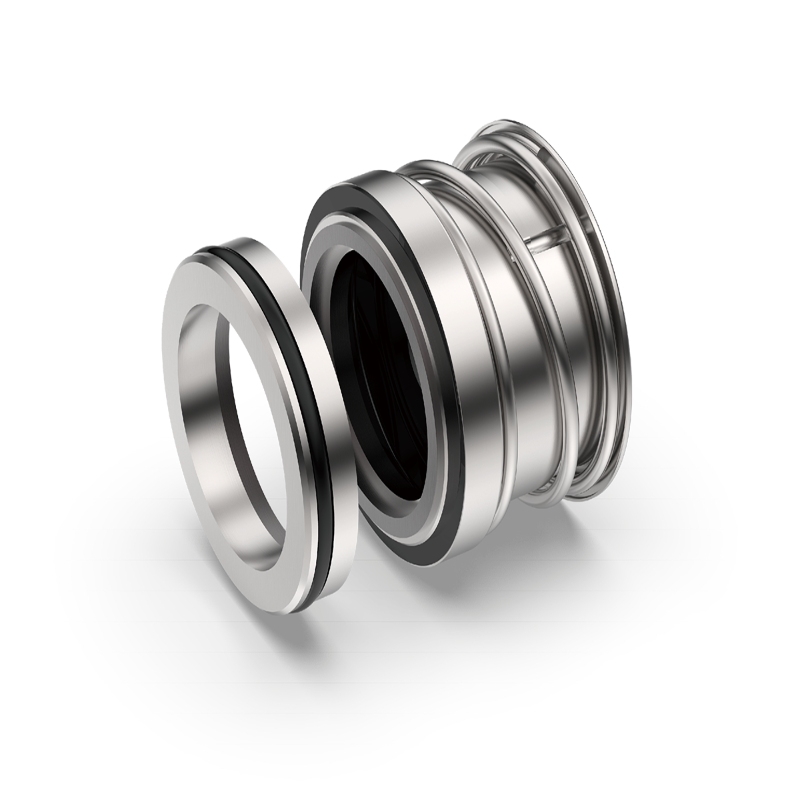
A reactor mechanical seal is installed where the rotating agitator shaft passes through the stationary reactor body. Its job is to keep liquid, vapor, slurry, powder, or toxic gas inside the vessel while the shaft keeps running. The main components usually include a rotating ring, stationary ring, spring compensation structure, auxiliary seal, shaft sleeve, gland, and seal chamber.
Compared with a standard pump mechanical seal, a mechanical seal for reactor service faces more unstable conditions. Reactors may run under vacuum, pressure changes, heat cycles, sterilization, crystallizing media, corrosive solvents, or shaft swing from long agitator shafts. That is why reactor seal selection should begin with the process condition, not only with the old model number.
A single mechanical seal is usually selected for lower-risk media, moderate pressure, and general reactor applications where minor leakage risk can be controlled. It has a simpler structure and is easier to maintain, which makes it suitable for many steel reactors, mixing tanks, and storage vessels.
However, single seals should not be used blindly. If the medium is toxic, flammable, expensive, or strongly corrosive, the lower purchase cost may lead to higher long-term risk. A buyer should always check the medium, pressure, temperature, shaft diameter, and leakage tolerance before confirming this structure.
A double mechanical seal is used when leakage must be strictly controlled. Chemical reactors handling solvents, strong odors, volatile media, toxic gas, or corrosive liquid often need a double-end-face design with buffer fluid or barrier fluid. This structure adds protection between the process medium and the atmosphere.
For pharmaceutical and food equipment, double seals may also help reduce contamination risk. In these applications, the seal design must consider clean operation, low wear debris, and stable performance during cleaning or sterilization cycles.
Dry-running mechanical seals are common in clean and low-contamination processes, especially for pharmaceutical reactors, fermenters, food processing mixers, and some new material equipment. When lubricating liquid is not allowed to enter the product area, dry-running seal design can reduce the risk of product pollution.
Kunshan Xinyoumi Mechanical Seal Technology Co., LTD develops dry-running and modular reactor sealing structures for demanding clean processes. In procurement terms, this means fewer compromises between sealing reliability, hygiene requirements, and maintenance convenience.
Modular reactor seals are valuable when plants operate many reactors with different standards, flange sizes, and working conditions. A modular platform allows common vulnerable parts to be shared across related structures, which can reduce maintenance difficulty and simplify inventory control.
For buyers comparing reactor mechanical seal products, this is a practical advantage. When O-rings, stationary rings, springs, sleeves, and other vulnerable parts are available from stock, emergency repair becomes faster. Kunshan Xinyoumi Mechanical Seal Technology Co., LTD maintains sufficient vulnerable parts inventory to shorten delivery time and reduce the pressure of urgent replacement.
Chemical reactor mechanical seals must resist corrosion, solvents, pressure fluctuation, vapor leakage, and sometimes crystallization. In hydrogenation, polymerization, salt chemical, and fine chemical production, seal failure may cause safety risks and shutdown losses. For these applications, material matching and auxiliary systems are often more important than choosing a standard-size replacement.
Pharmaceutical reactor seals and fermenter mechanical seals must balance leakage control with cleanliness. Product contamination, lubricating fluid migration, and seal face wear debris are common concerns. Dry-running single or double mechanical seals, clean material selection, and controlled discharge of wear debris can support stricter production environments.
Food-grade mechanical seals are used in mixing tanks, processing reactors, fermenters, and blending equipment. The seal must handle cleaning cycles, process liquids, mild corrosion, and long operating hours. For bulk procurement, stable quality and spare parts availability are just as important as the first delivery price.
New energy material reactors may involve high temperature, powder, slurry, toxic media, corrosive raw materials, or large axial movement. In these conditions, ordinary reactor seals may fail early because of shaft swing, dry friction, or material attack. Kunshan Xinyoumi Mechanical Seal Technology Co., LTD has developed customized sealing structures for new energy production equipment, including solutions for high-temperature reactors and hazardous media sealing.
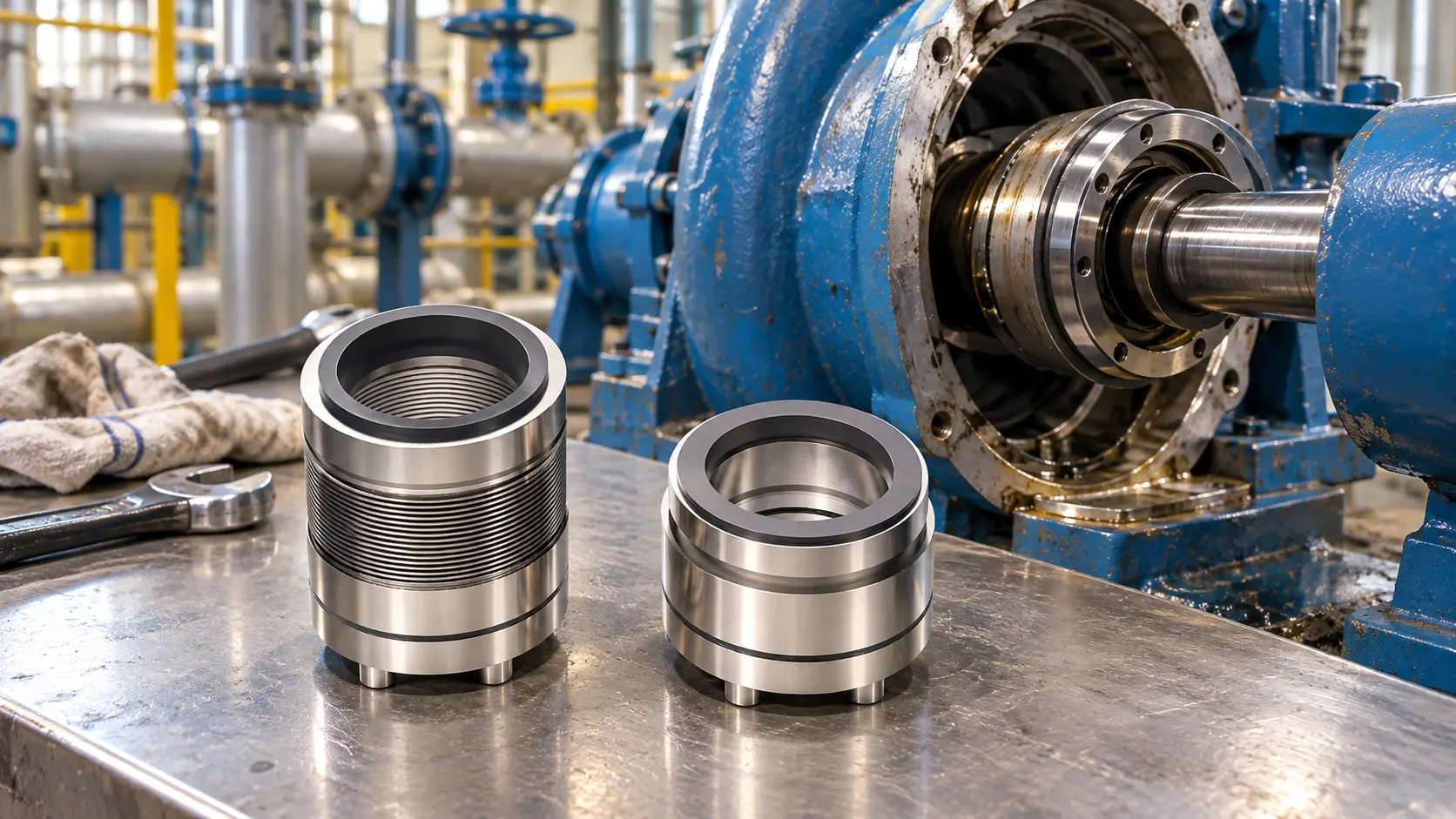
Seal face selection should match wear, temperature, lubrication, and corrosion. Carbon graphite is often used for self-lubricating behavior. Silicon carbide is widely used for corrosion resistance, high hardness, and stable face performance. Tungsten carbide is suitable for wear resistance in certain abrasive services. Ceramic materials may be used for selected general or corrosive conditions.
The wrong face pair can cause heat, scoring, chipping, or rapid leakage. If the medium contains particles, crystals, or high-viscosity material, the seal face design should be reviewed together with flushing or cooling needs.
Auxiliary seals include FKM, EPDM, PTFE, FEP-coated O-rings, PFA-coated O-rings, FFKM, and flexible graphite. These materials are selected according to acid, alkali, solvent, steam, ammonia water, temperature, and corrosion level. PTFE and coated O-rings are often considered for corrosive media, while flexible graphite is useful in higher-temperature sealing environments.
Metal parts may use 304 stainless steel, 316 stainless steel, 316L stainless steel, duplex stainless steel, titanium alloy, nickel-based alloy, or PTFE-lined structures. Selection should consider chloride content, strong acid, high temperature, and the real cleaning method used on site.
A reactor seal may need a support system when the medium is toxic, volatile, high-temperature, high-pressure, easy to crystallize, or likely to run dry. Cooling, flushing, pressure balancing, buffer fluid, or barrier fluid can improve the seal environment. Auxiliary systems such as PLAN53A, PLAN53B, PLAN53C, balance tanks, and booster tanks help protect seal faces and reduce leakage risk in harsh services.
For complex projects, modular reactor sealing solutions can combine the seal body, material configuration, and auxiliary system into one selection plan instead of treating each part separately.

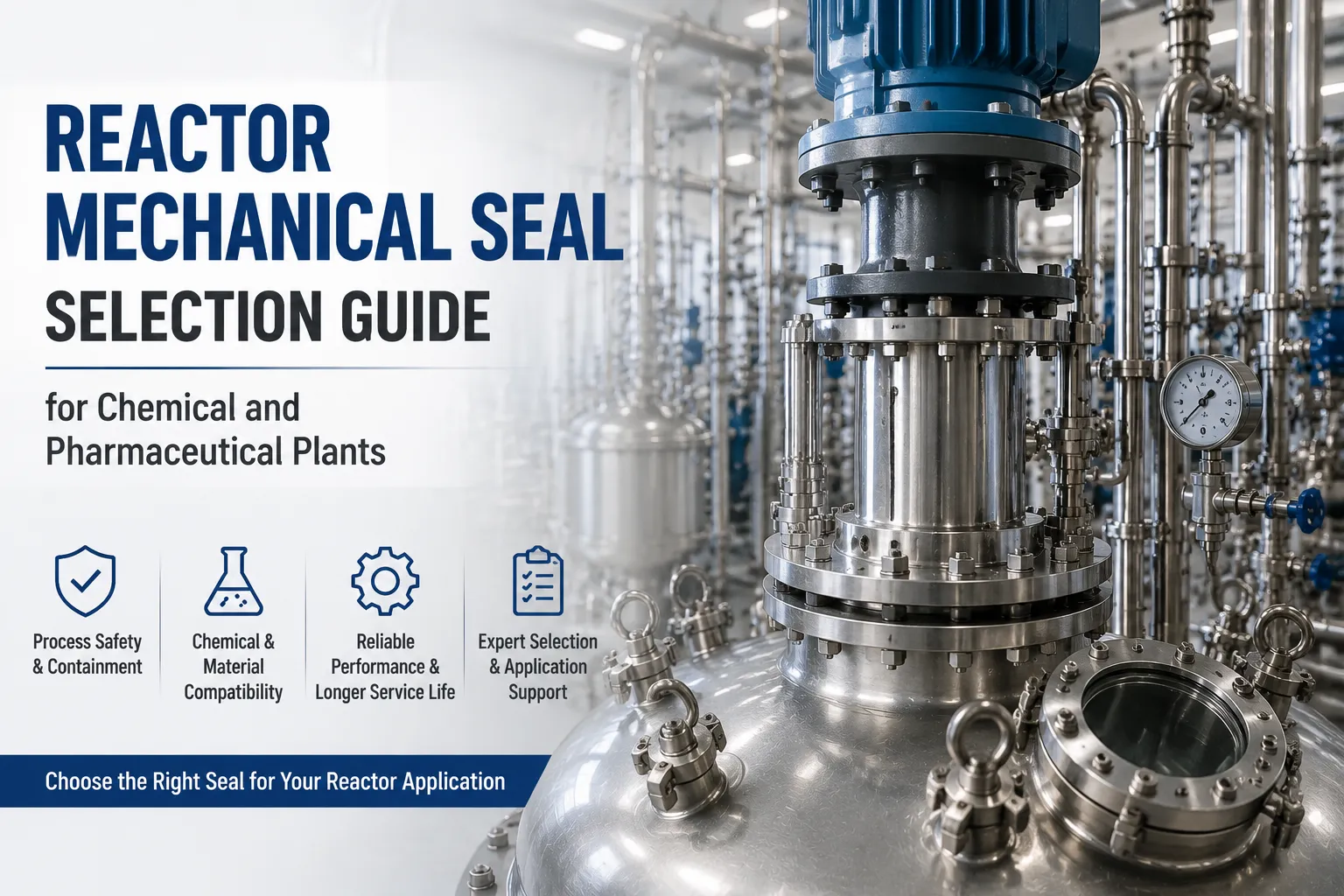
Reactor seal selection should be based on operating data, not guesswork. Equipment type, shaft diameter, speed, pressure, temperature, medium, corrosion, crystallization, particle content, leakage tolerance, installation space, and spare parts demand all affect the final choice. Kunshan Xinyoumi Mechanical Seal Technology Co., LTD supports industrial buyers with modular design, stocked vulnerable parts, strict quality control, traceable production, and practical delivery efficiency. For new projects or replacement orders, buyers can send reactor operating data for selection support before confirming the seal structure and materials.
Q1: How do I choose a mechanical seal for a chemical reactor?
A: A chemical reactor mechanical seal should be selected according to the medium, concentration, pressure, temperature, shaft diameter, speed, corrosion level, and leakage tolerance. If the medium is corrosive, toxic, volatile, or easy to crystallize, a double mechanical seal and a support system may be safer than a basic single seal. Drawings and working data should be reviewed before pricing.
Q2: Why is my reactor mechanical seal leaking after replacement?
A: A reactor mechanical seal may leak after replacement because of damaged seal faces, wrong O-ring material, incorrect spring compression, poor shaft concentricity, uneven gland tightening, dry running, or crystallized media entering the seal face. The cooling or flushing condition should also be checked. Replacing the same model without checking the failure cause may lead to another short service life.
Q3: Should I use a single or double mechanical seal for a reactor?
A: A single mechanical seal can work for general media with lower leakage risk. A double mechanical seal is more suitable for toxic, flammable, corrosive, volatile, expensive, or contamination-sensitive media. In chemical, pharmaceutical, food, and new energy reactors, the decision should be based on safety, product purity, maintenance cost, and plant operating rules.
Q4: What material is best for a reactor mechanical seal?
A: There is no universal best material for a reactor mechanical seal. Silicon carbide is often used for corrosion and wear resistance. Carbon graphite may help under limited lubrication. PTFE, FFKM, and coated O-rings are selected for stronger chemical resistance. 316L stainless steel, duplex stainless steel, titanium alloy, nickel-based alloy, or PTFE-lined metal parts may be needed for corrosive service.
Q5: What information should be sent before ordering reactor mechanical seals in bulk?
A: A useful inquiry should include equipment type, reactor standard, shaft diameter, speed, pressure, temperature, medium name, concentration, corrosion level, particle content, installation drawing, required quantity, and delivery schedule. If the current seal is leaking, photos of the failed seal and the leakage position can help the supplier judge whether the problem comes from materials, installation, shaft movement, or working conditions.