Nullam dignissim, ante scelerisque the is euismod fermentum odio sem semper the is erat, a feugiat leo urna eget eros. Duis Aenean a imperdiet risus.
Nullam dignissim, ante scelerisque the is euismod fermentum odio sem semper the is erat, a feugiat leo urna eget eros. Duis Aenean a imperdiet risus.
 author
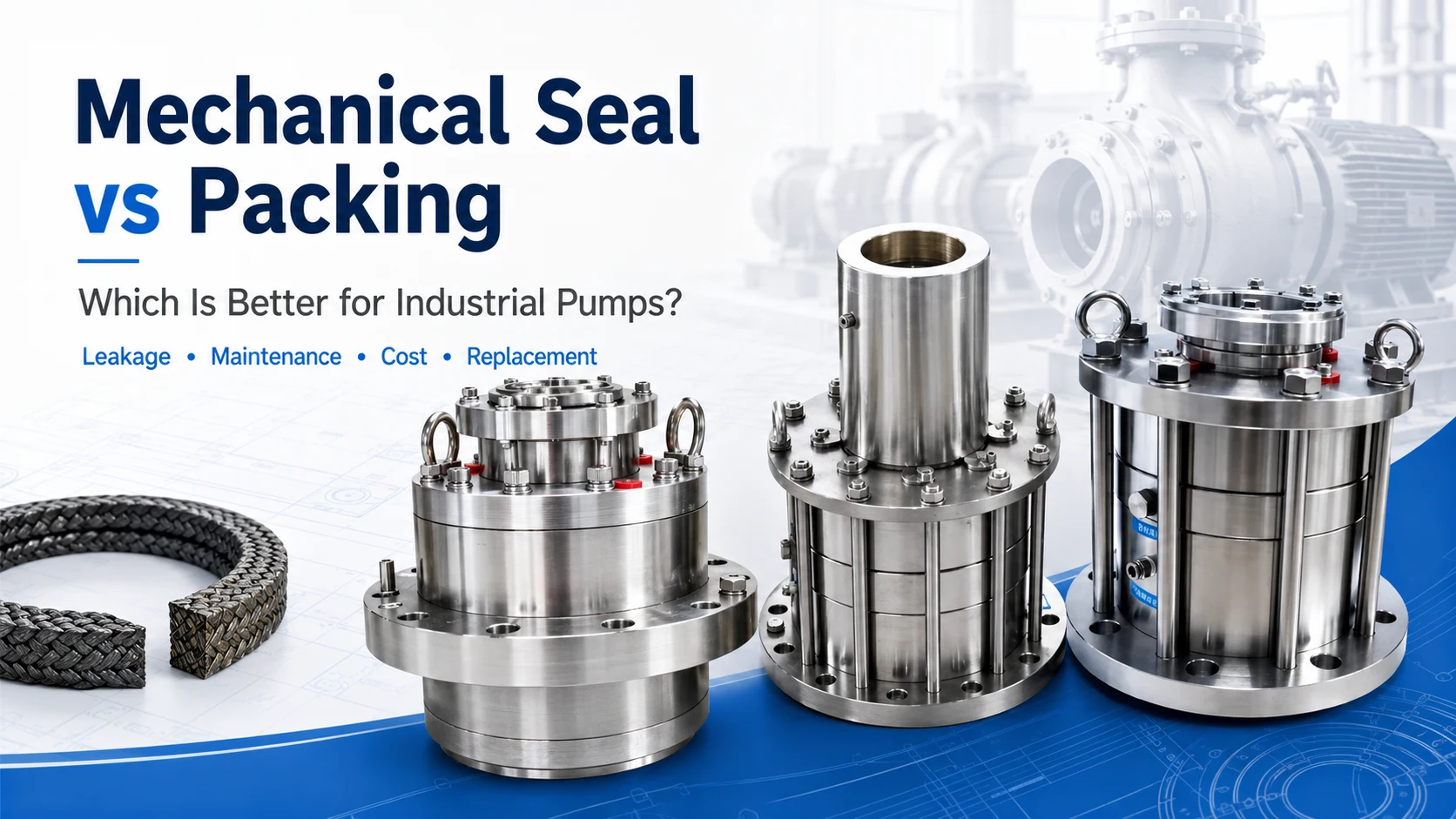
For maintenance crews and pump purchasers, the question “mechanical seal or packing” generally comes up when there is leakage from the pump, packing requires constant adjustments, shaft sleeves are wearing out, or there is a need to cut down downtime in the facility. The decision is based on the fluid used, the condition of the pump, allowable leakage, maintenance ability, and overall operating costs.
For most industrial pumps that are required to have reduced leakage and better cleanliness as well as lesser adjustments, the mechanical seal is the way to go. Packing will be ideal for inexpensive, non-essential, or older pumps where controlled leakage is allowable and there are qualified personnel to adjust the gland.
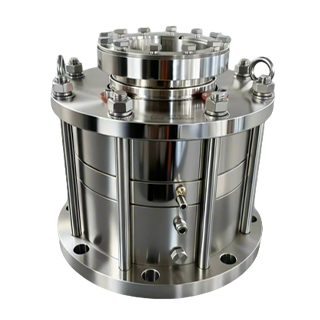
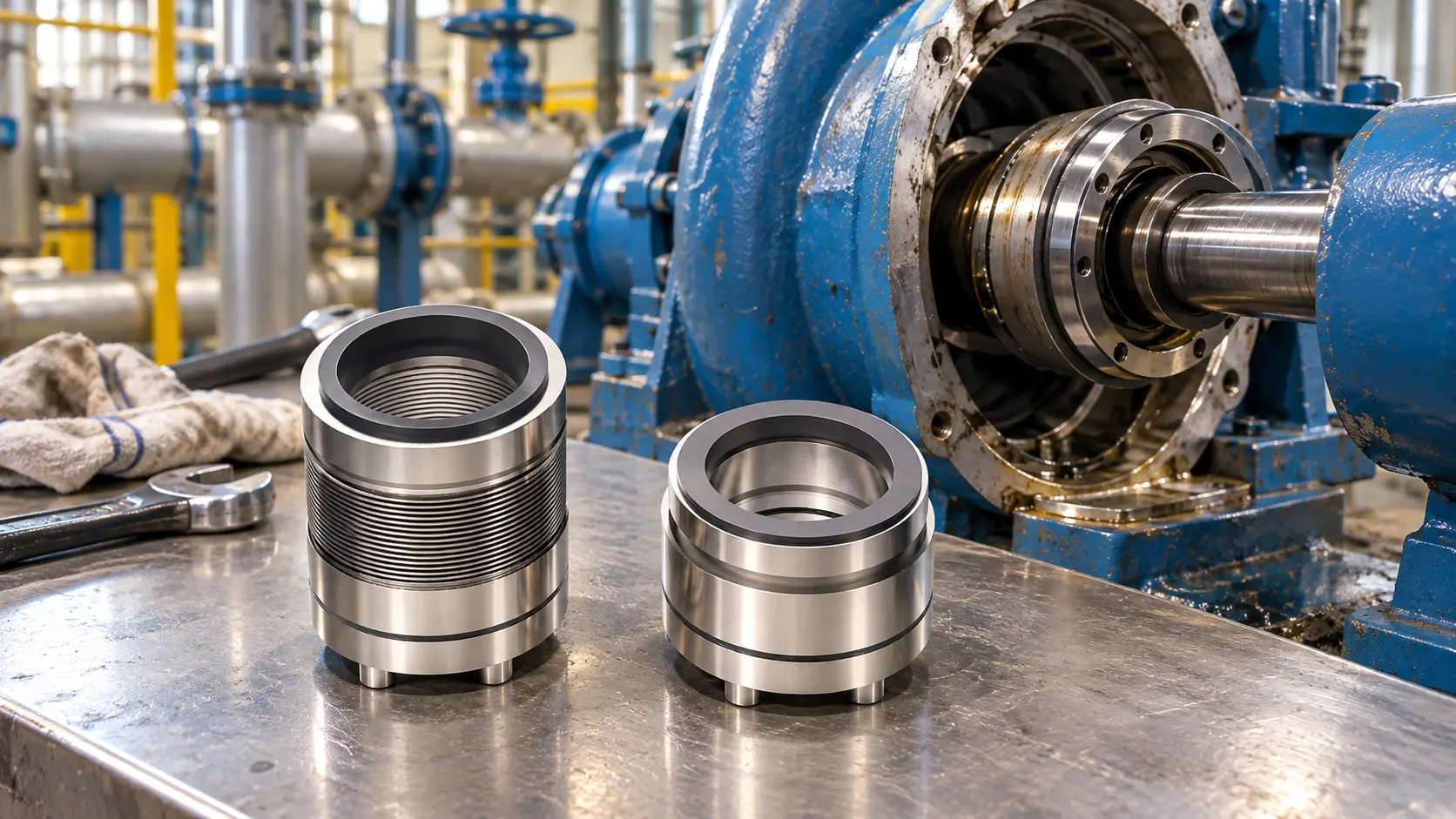
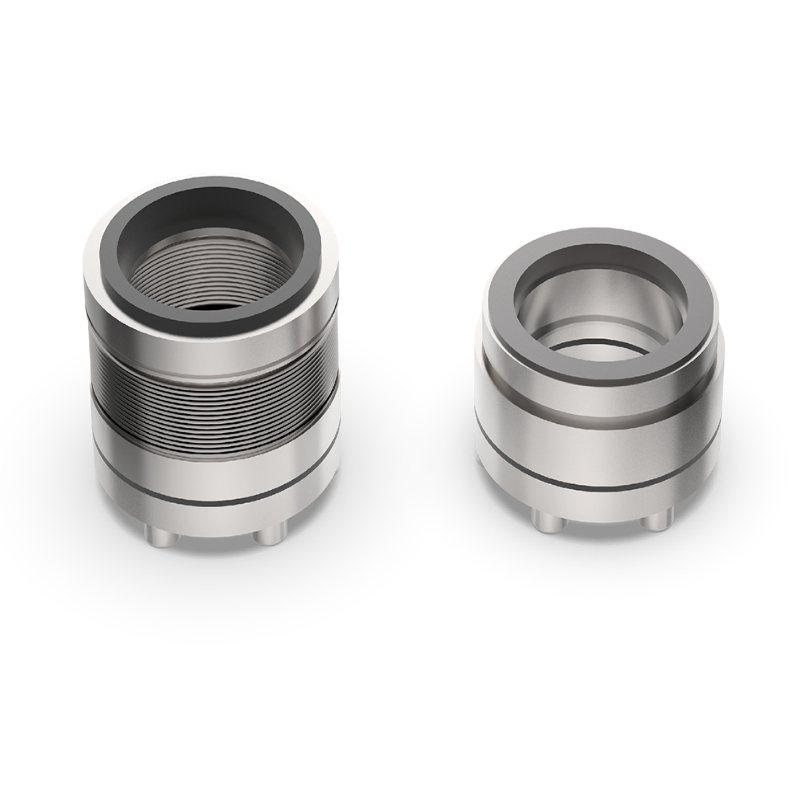
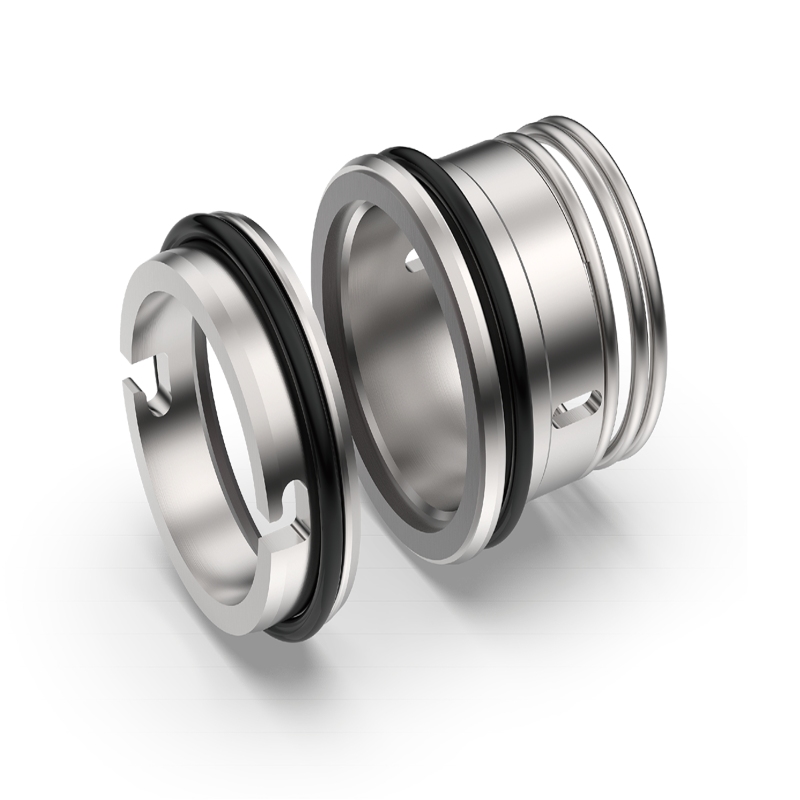
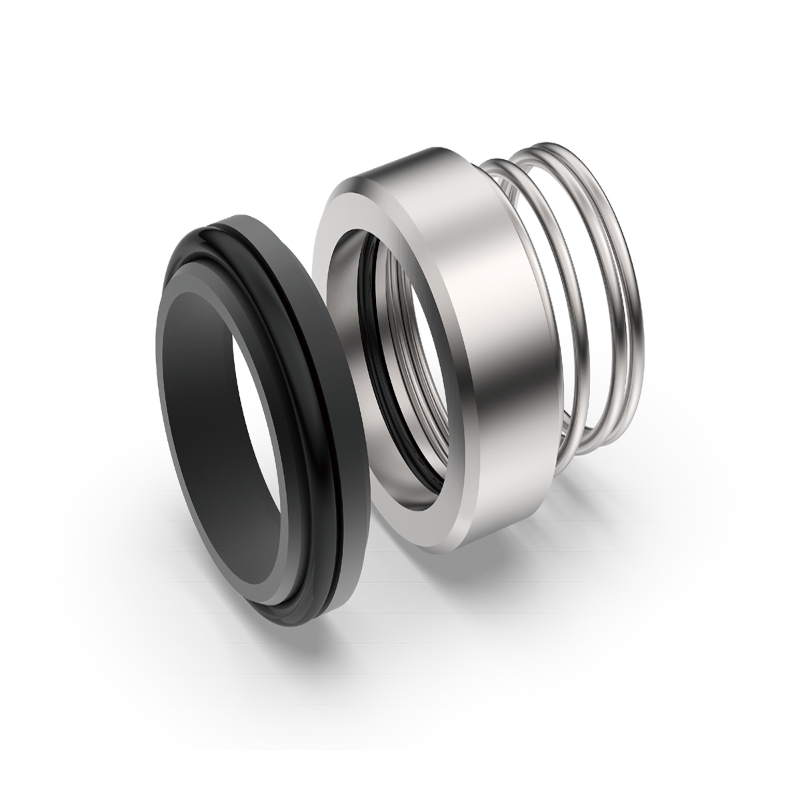
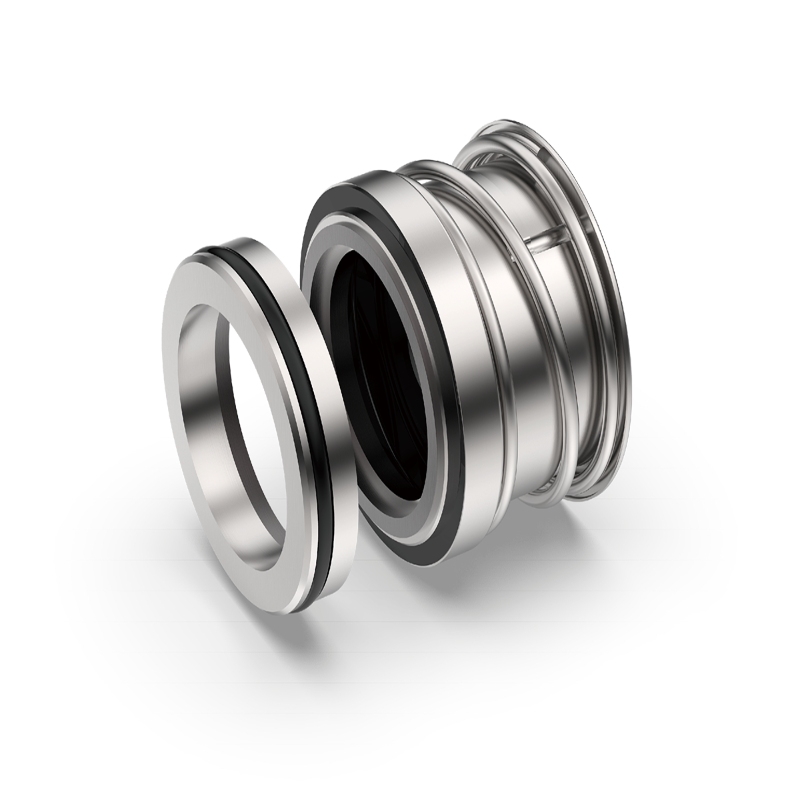
Mechanical seals offer higher reliability and efficiency when pumping chemicals, valuable liquids, hazardous materials, process fluids, or operating continuously. They feature rotating and stationary faces controlling the flow at the shaft area. Correctly chosen and installed mechanical seal could require less maintenance.
Packing or gland packing, pump packing is a softer sealing material placed into stuffing box and squeezed around the shaft by gland. Packing is easier to install and often cheaper, however, it requires controlled leakage for cooling and lubrication that could be acceptable for water service but becomes an issue when pumping chemicals, food, pharmaceuticals, wastewater, or valuable process fluids.
When comparing gland packing and mechanical seals for industrial applications, industrial buyers should not rely on their purchase price. Instead, they should answer the following question: which sealing option would minimize the risk of leakage, sleeve wear, downtime, labor, and product loss?
The difference between mechanical seal and gland packing is not only structure. It affects leakage control, maintenance frequency, shaft wear, water consumption, safety, and long-term purchasing cost.
| Factor | Mechanical Seal | Packing |
| Leakage control | Very low leakage when correctly selected | Requires controlled leakage in many applications |
| Initial cost | Higher | Lower |
| Maintenance | Less routine adjustment after proper installation | Frequent adjustment and repacking may be needed |
| Shaft sleeve wear | Lower when alignment and material selection are correct | Higher risk of sleeve wear due to shaft contact |
| Installation | Requires more precision | Easier for many maintenance teams |
| Suitable fluids | Chemicals, clean media, hazardous liquids, valuable fluids | Water, non-critical service, some dirty media |
| Failure behavior | May require shutdown for repair | Can often be adjusted temporarily while running |
| Procurement focus | Application data and material compatibility | Packing size, material, and gland condition |
Packing can look attractive when only the unit price is considered. However, if the pump leaks frequently, contaminates the work area, consumes flushing water, wears the sleeve, or requires repeated maintenance, a pump mechanical seal replacement may be more economical over the equipment life.
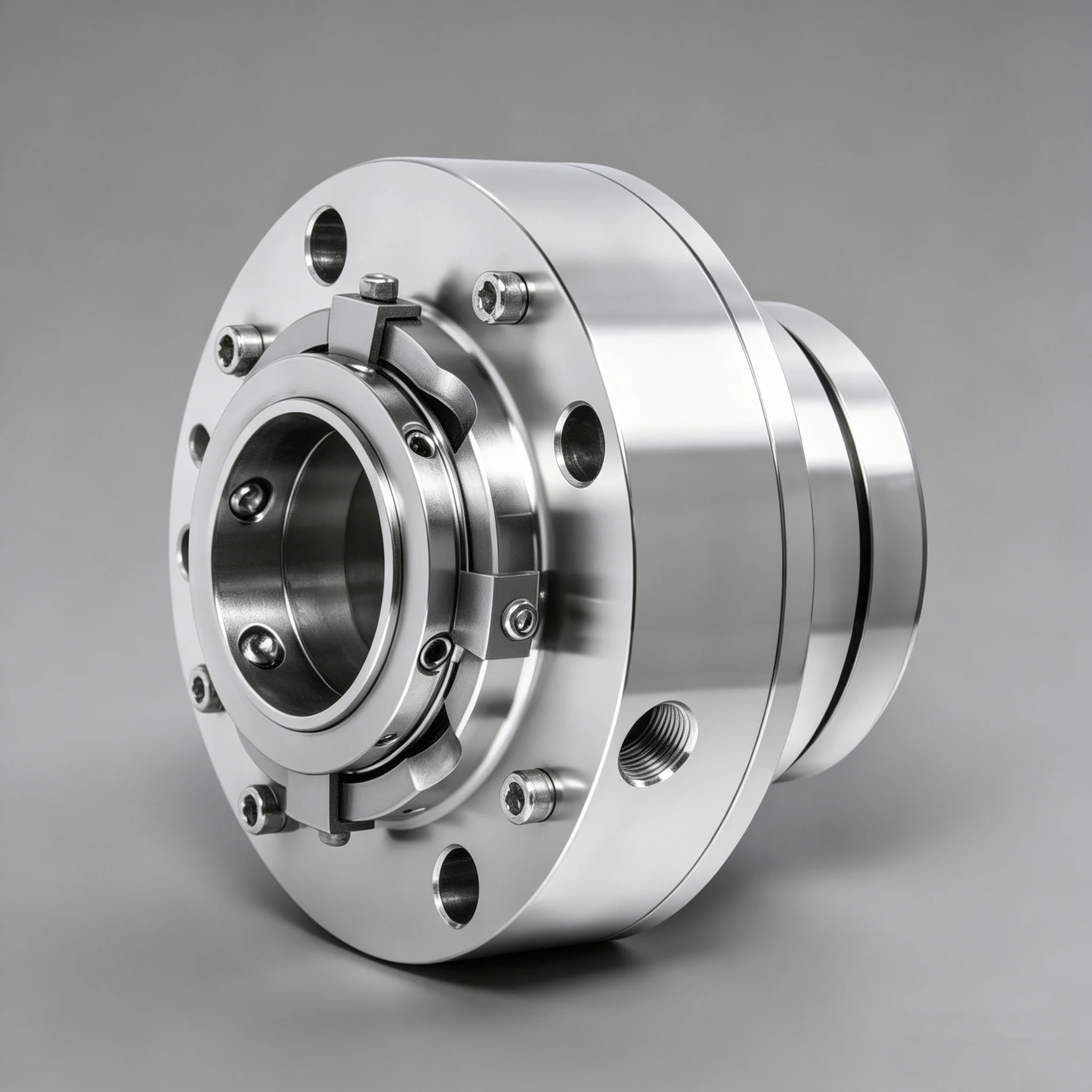
A mechanical seal should be considered when leakage is not acceptable. This includes chemical pumps, solvent transfer pumps, corrosive media, valuable process liquids, and fluids that create environmental, safety, or housekeeping problems when they leak.
In these applications, packing leakage is not just a maintenance issue. It can become a material loss issue, a workplace safety issue, or a compliance concern. A mechanical seal with suitable face materials, elastomers, and metal parts can help reduce leakage risk, but the final configuration should be verified against pressure, temperature, speed, medium, and solids content.
For buyers sourcing pump mechanical seals, the RFQ should include the pump model, shaft diameter, medium, temperature, pressure, speed, and any leakage symptoms or photos of the current sealing area.
Continuous duty pumps require reliable sealing with minimal intervention. In case a pump is operated for several hours in water treatment, petrochemical, pharmaceutical, food processing, general industrial, or new energy industries, frequent packing adjustments may add up to maintenance workload and downtimes.
Mechanical seals become an effective solution if the maintenance department decides to switch from frequent gland adjustments to scheduled replacements and inspections. The selection of mechanical seals will vary depending on specific conditions. For example, clean water, mild chemicals, abrasives, or hot fluids will require different sealing solutions and materials.
Packing may cost less at the time of purchase, but the real cost includes leakage, sleeve wear, packing replacement, water usage, labor, cleanup, and production interruption. Mechanical seals require more careful selection and installation, but they can reduce repeated maintenance when the pump condition and operating environment are suitable.
A good lifecycle comparison should include:
If these hidden costs are high, the mechanical seal vs packing cost comparison may favor a mechanical seal even when the initial purchase price is higher.
Packing is not automatically the wrong choice. It may still be suitable for older pumps, low-pressure water service, non-critical transfer duties, and pumps where the shaft or sleeve condition is too poor for a standard mechanical seal without additional repair.
Packing can also be useful when the site has experienced personnel who can adjust the gland correctly and when controlled leakage does not create safety, environmental, or product loss problems. In some dirty or abrasive applications, packing may tolerate imperfect equipment conditions better than a poorly selected mechanical seal.
However, packing should not be used simply because it is familiar. If the pump room has constant dripping, sleeve wear, repeated repacking, or difficulty controlling leakage, it is time to evaluate whether replacing packing with a mechanical seal is technically and commercially reasonable.
For chemical pumps, mechanical seals often provide stronger value because leakage control and material compatibility are critical. The seal faces, secondary seals, and metal components should be selected according to the chemical medium, concentration, temperature, pressure, and corrosion behavior.
Common material considerations may include silicon carbide, tungsten carbide, carbon graphite, PTFE, FKM, EPDM, FFKM, stainless steel, or corrosion-resistant alloys. The correct choice depends on the application and should be verified before purchasing.
For slurry pumps, the answer is more conditional. Abrasive particles can damage seal faces, clog the seal area, or cause dry running if the seal environment is not controlled. Packing may remain practical in some slurry duties, especially where leakage is acceptable and maintenance access is easy.
Mechanical seals for slurry pumps may be appropriate when leakage must be reduced, but the design should consider solids content, particle size, flushing, cooling, face materials, and anti-clogging features. This is where application-specific selection matters more than a simple “mechanical seal is better” answer.
For clean water, cooling water, circulating water, and general utility pumps, both options may work. Packing may be acceptable for simple, low-cost systems. Mechanical seals become more attractive when the pump runs continuously, when water leakage is not acceptable, or when the maintenance team wants to reduce gland adjustment.
For standard industrial pump applications, buyers can review mechanical seal products and then confirm which seal type fits the shaft size, pressure, temperature, speed, and medium.
Yes, pump packing can often be replaced with a mechanical seal, but it should not be treated as a direct material swap. The stuffing box, shaft sleeve, pump alignment, available installation space, and operating conditions must be checked first.
Before a mechanical seal retrofit from packing, collect and verify:
If the shaft sleeve is worn, the mechanical seal may fail early even if the seal itself is correctly built. If the medium contains particles, crystallizes, or runs hot, flushing or cooling may be required. If the pump has excessive vibration or misalignment, that mechanical issue should be corrected before expecting longer seal life.
A mechanical seal can fail early after replacing packing if the root cause was not solved. Common causes include dry running, wrong material selection, excessive vibration, poor alignment, contaminated seal faces, incorrect spring compression, or an unsuitable seal chamber environment.
To reduce failure risk:
These steps help buyers avoid a common mistake: purchasing a mechanical seal as a replacement part without confirming the operating conditions that caused the original leakage.
For B2B buyers, the supplier decision should focus on technical matching, not only unit price. A qualified mechanical seal supplier should be able to review operating data, recommend suitable materials, support standard or custom dimensions, and help the buyer judge whether a pump is ready for mechanical seal conversion.
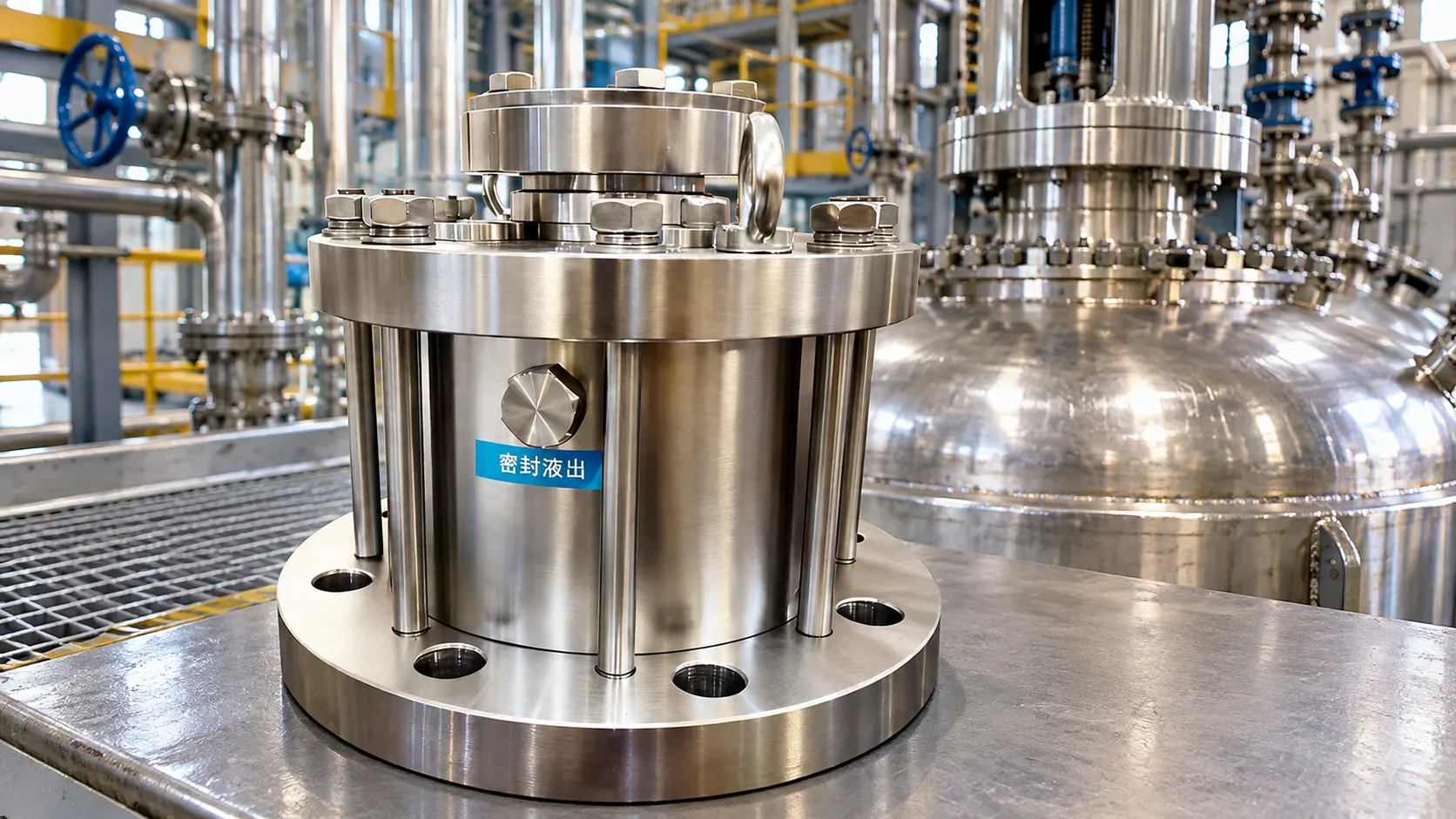
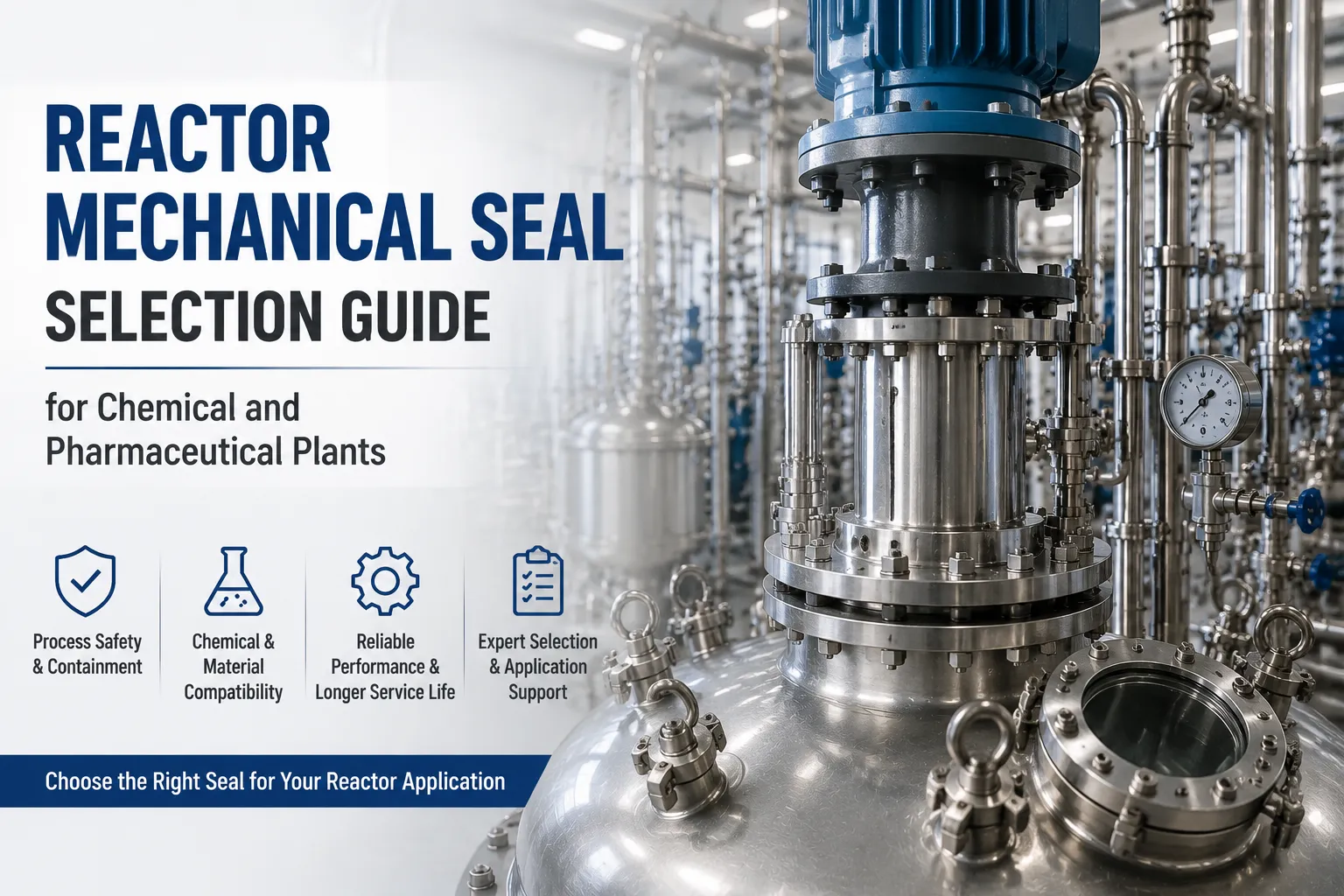
Kunshan Xinyoumi Mechanical Seal Technology Co., LTD supplies industrial mechanical seals for pumps, reactors, mixers, and auxiliary sealing systems. The company’s product scope includes pump seals, seals for reactors, and auxiliary equipment for industries such as petrochemical, pharmaceutical, food, and new energy. Its modular design approach is useful when buyers need easier maintenance, interchangeable wearing parts, and practical replacement support.
For procurement teams comparing suppliers, useful questions include:
For company background and product scope, buyers can start from Xinyoumi and then review the relevant pump seal category before submitting working condition details.
However, mechanical seals are always a better option than packing for any industrial pump where leakage, maintenance requirements, clean operations, chemical compatibility, and overall economy come into consideration. Packing may have a certain use where the operation is simple, less costly, non-critical, old or even where controlled leakage is required and the maintenance crew is capable of adjusting the gland properly.
The right decision should be based on the pump condition, medium, pressure, temperature, speed, shaft size, solids content, leakage tolerance, and maintenance capability. For replacement or retrofit projects, send the pump model, shaft diameter, medium, pressure, temperature, speed, installation dimensions, current sealing method, leakage photos, drawings, samples, and target quantity to contact the technical team for a practical seal recommendation.
Q1: Is a mechanical seal more beneficial than packing in pumps?
A: If the pump needs to operate at low levels of leakage, lesser regular maintenance, cleaner operation, and control of chemicals or precious liquids, then the mechanical seal is definitely the preferred option. However, in some cases, the use of packing is suitable if the application is limited to water service, the pump is old or the cost of use is too high.
Q2: Does pump packing need to leak?
A: For many pump applications, the leakage in the packing system helps in lubricating and cooling the packing and shaft. In case there is a high leakage level, the cause can be the wear and tear of packing, incorrect installation, tightness or looseness of packing and improper matching with the fluid.
Q3: Can you convert pump packing to a mechanical seal?
A: Certainly, most of the pumps can be changed from packing to a mechanical seal, however, before that, the shaft sleeve, stuffing box dimensions, alignment, run out, pressure, temperature, speed and medium must be verified first. A retrofit should be selected by operating condition, not only by shaft diameter.
Q4: Which is better for chemical pumps, mechanical seal or packing?
A: A mechanical seal is recommended for a number of reasons for most chemical pumps including leakage prevention and materials compatibility. The right seal needs to be chosen based on chemical media, concentration, temperature, pressure, and material compatibility.
Q5: Pump Mechanical Seal Replacement RFQ What Information Do We Need To Quote?
A: RFQ information would include model of the pump, shaft size, sealing chamber/stuffing box dimensions, medium, temperature, pressure, speed, solids percentage, pictures of current packing/seal, leakage symptoms, material specifications, quantity, and drawings/samples where available.