Nullam dignissim, ante scelerisque the is euismod fermentum odio sem semper the is erat, a feugiat leo urna eget eros. Duis Aenean a imperdiet risus.
Nullam dignissim, ante scelerisque the is euismod fermentum odio sem semper the is erat, a feugiat leo urna eget eros. Duis Aenean a imperdiet risus.
 author
Industrial pump maintenance professionals and fluid handling operators frequently encounter the frustrating reality of system failure. Statistically, more than ninety percent of centrifugal pump and agitator shutdowns stem from a fluid leak around the shaft assembly. When process media begins running, overflowing, dripping, or leaking from a pump station, the immediate reflex is often to schedule major equipment overhauls or costly component modifications. However, modern plant maintenance strategies prioritize minimizing mechanical interventions while targeting long-term cost reduction. Mitigating mechanical seal leakage requires a deep understanding of why seals fail prematurely and how to deploy adaptive sealing technologies that handle realistic, imperfect field conditions without altering the existing machinery.
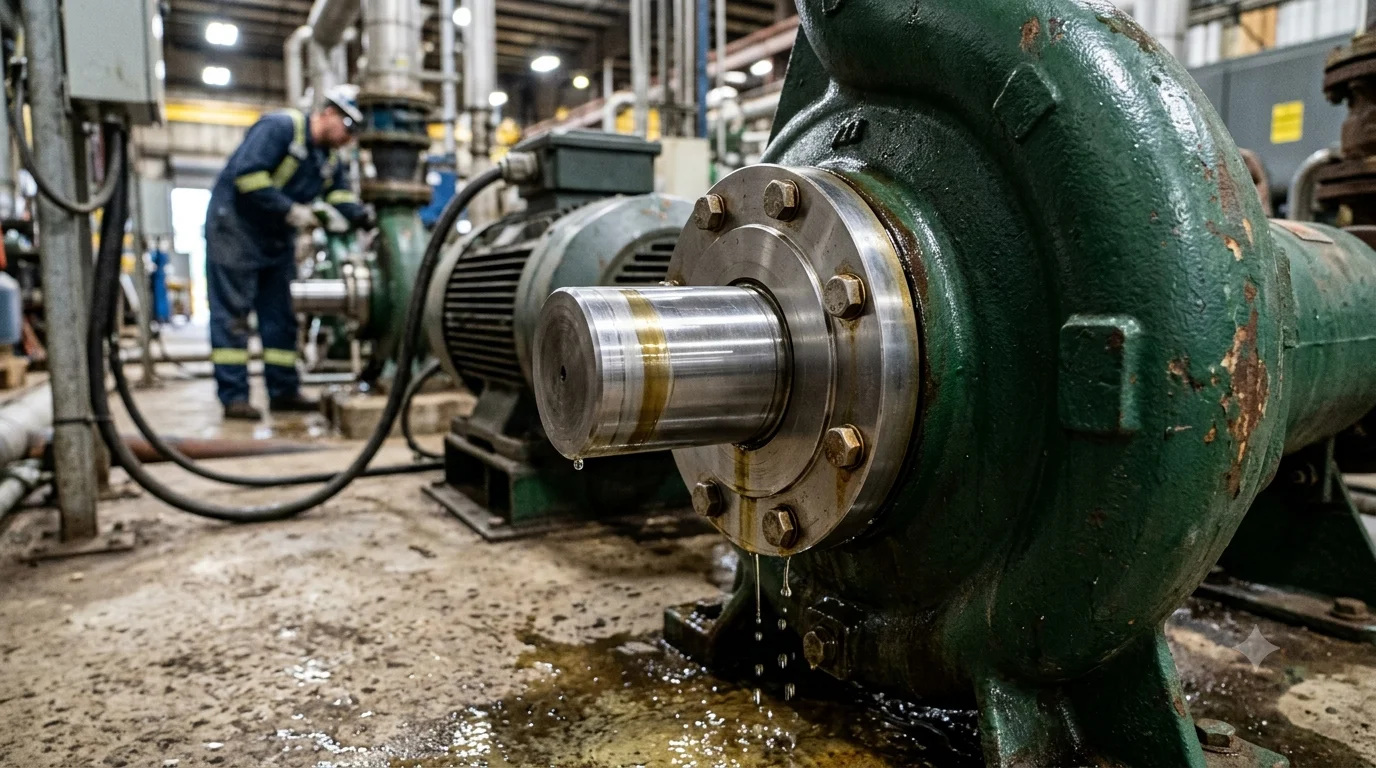
Identifying the precise failure mechanism is critical for implementing permanent corrective actions rather than short-term fixes. Real-world industrial environments present severe operational stresses that challenge conventional seal designs.
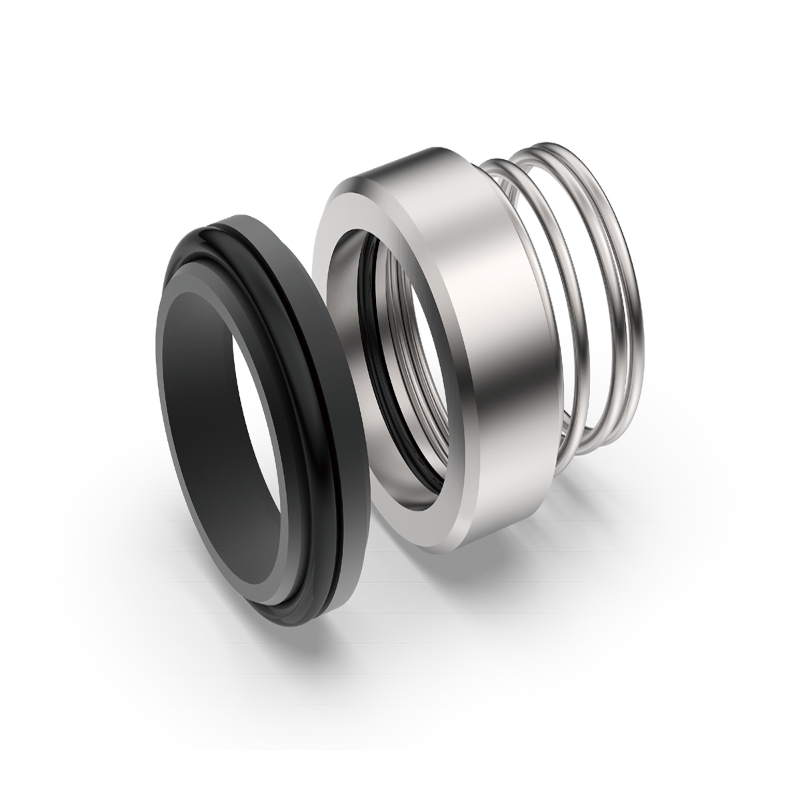
Excessive shaft movement stands as a leading cause of premature face separation. In aging process equipment, heavy horizontal powder mixers, or side-entry agitators, the shaft often experiences substantial radial deflection and severe structural vibration. When a standard rigid spring seal is subjected to this continuous whipping action, the faces cannot stay flat against one another. The resulting micro-gaps allow high-pressure process fluid to escape, causing a noticeable dripping or spraying leak during active operations.
Traditional component seals require meticulous measurements during setup to establish the correct spring compression. A slight miscalculation often leads to heavy over-compression, which generates scorching frictional heat, or under-compression, which permits instant fluid bypass. Furthermore, during standard field assembly, secondary elastomer seals like rubber O-rings frequently get pinched or nicked against sharp shaft shoulders or keyways, resulting in immediate initial leakage upon equipment startup.
Using general-purpose seal materials for aggressive chemical processing or slurry handling guarantees rapid degradation. Chemical attack manifests when the wrong elastomer is selected for the process media, causing the O-ring to experience severe swelling, hardening, or blistering. In abrasive slurry operations, hard particles wedge between the seal faces, scratching the smooth running surfaces and accelerating physical wear, which rapidly destroys the tight fluid barrier.
Diagnosing a failing fluid system requires analyzing when and how the process medium escapes. Observing the leakage behavior during specific operational states reveals whether the root issue is structural or material-based.
| Leakage Observation | Probable Root Cause | Actionable Field Inspection |
|---|---|---|
| Constant leakage while the machine is stationary and completely idle | Secondary sealing element damage or permanently warped seal faces | Check for elastomer swelling, chemical erosion, or face distortion caused by uneven bolt torque. |
| Significant leakage occurring only while the shaft is running at operational speed | Shaft misalignment, severe dynamic deflection, or thermal dry running | Examine the equipment flush plan efficiency, monitor bearing vibration levels, and measure radial runout. |
| Heavy leakage during initial startup immediately following maintenance | Incorrect axial installation dimension or cut elastomer components | Inspect the shaft sleeve for installation scratches and verify original spring compression settings. |
Resolving chronic seal failures does not require purchasing entirely new pumps or sending old equipment to a machine shop for shaft rebuilding. Utilizing smarter, high-performance sealing designs can successfully compensate for inherent mechanical flaws in older machinery.
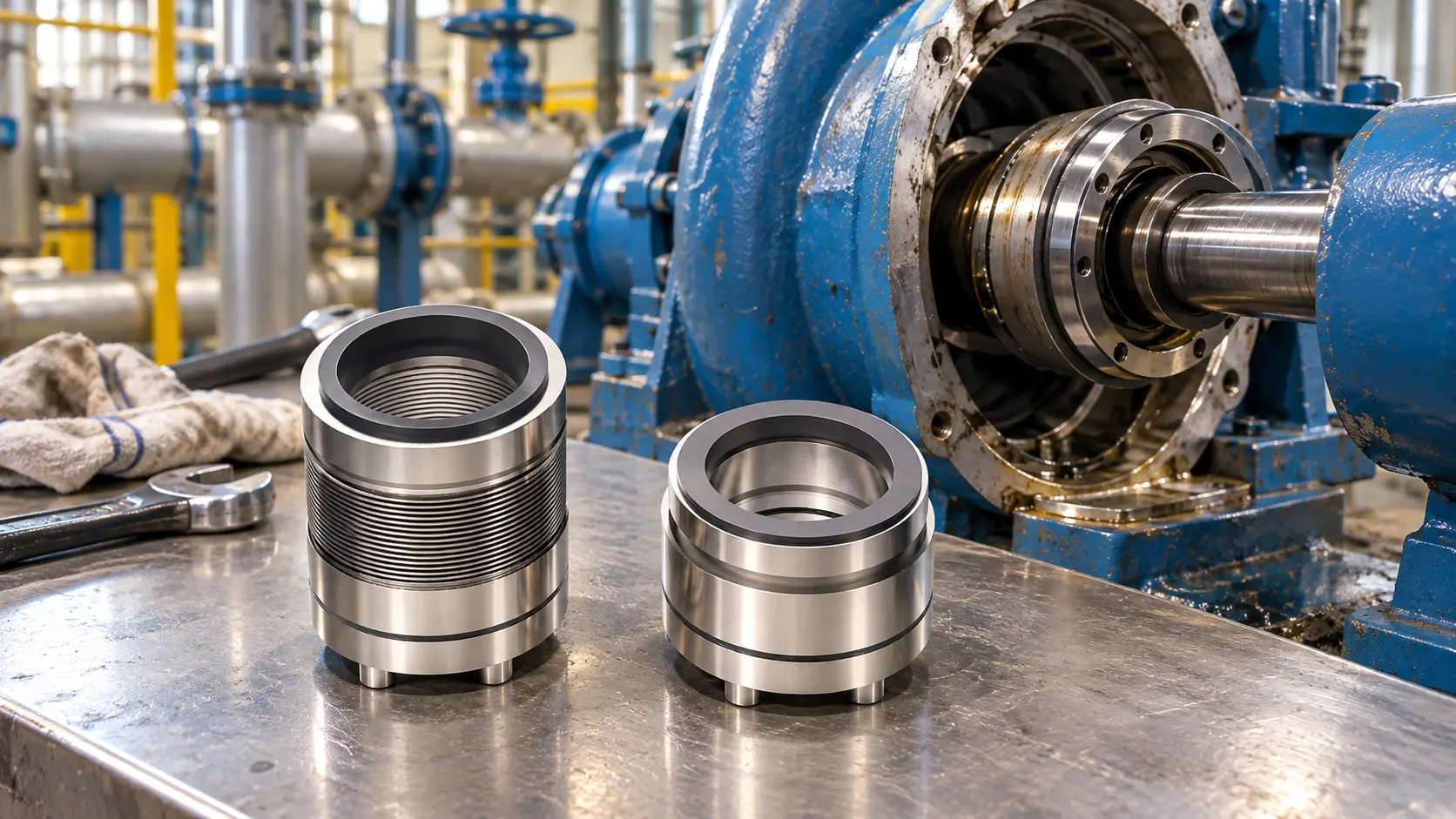
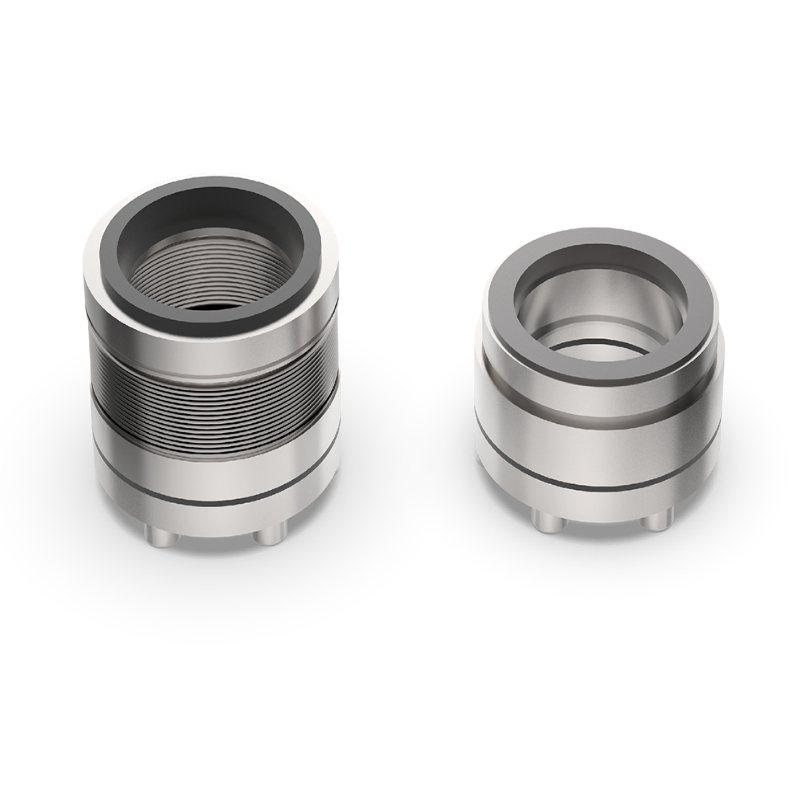
When dealing with older equipment that suffers from unavoidable axial movement and shaft wobble, switching to a flexible metal bellows seal structure provides excellent geometric compensation. These specific configurations utilize a flexible welded structure that acts like a durable accordion, dynamically flexing to keep the seal faces perfectly conjoined even when the shaft experiences heavy runout. This flexible design absorbs the mechanical vibrations that normally destroy standard spring-driven assemblies, ensuring a tight seal without requiring expensive machinery reconstruction.
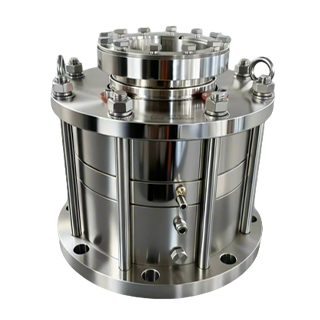
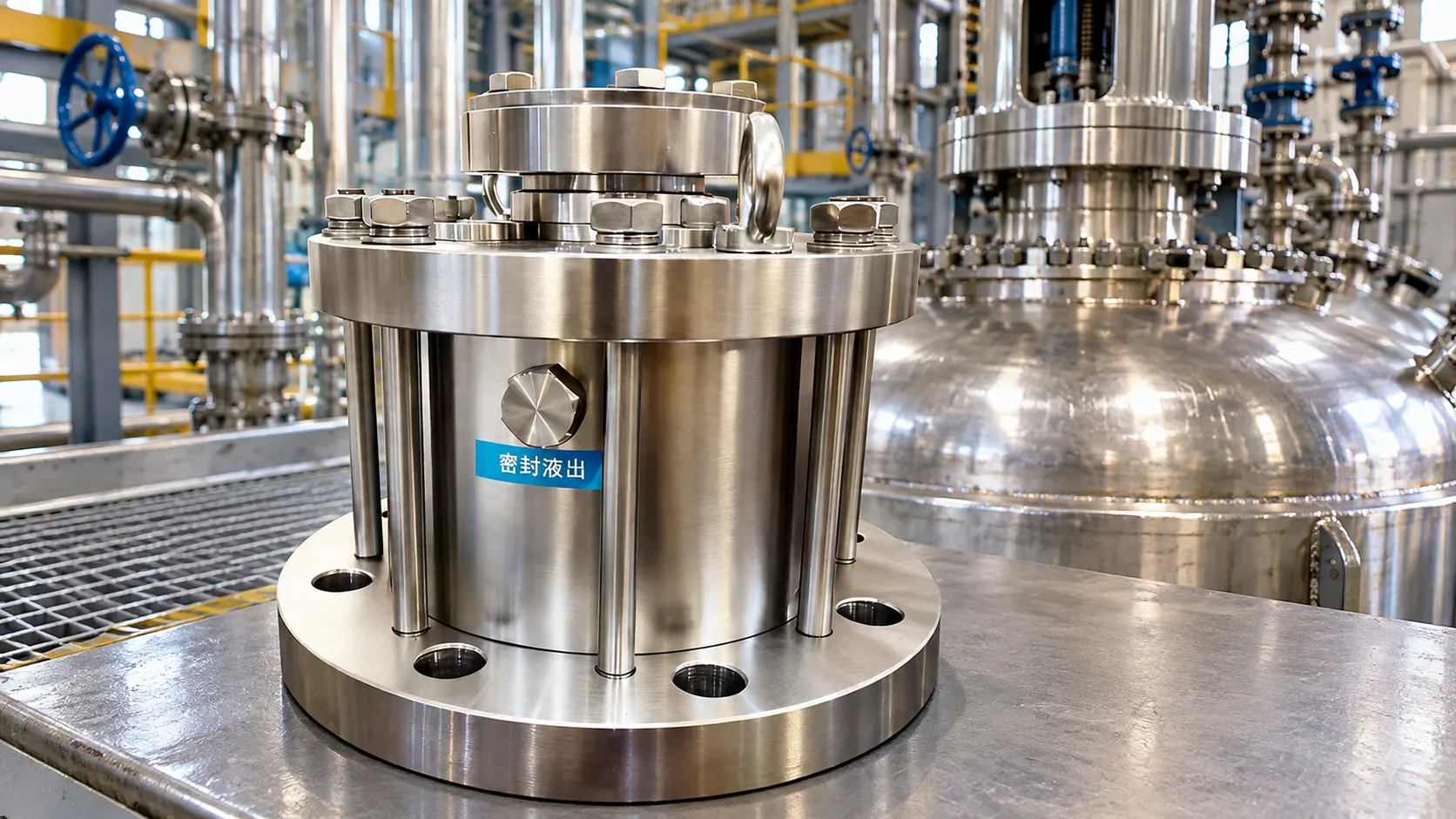
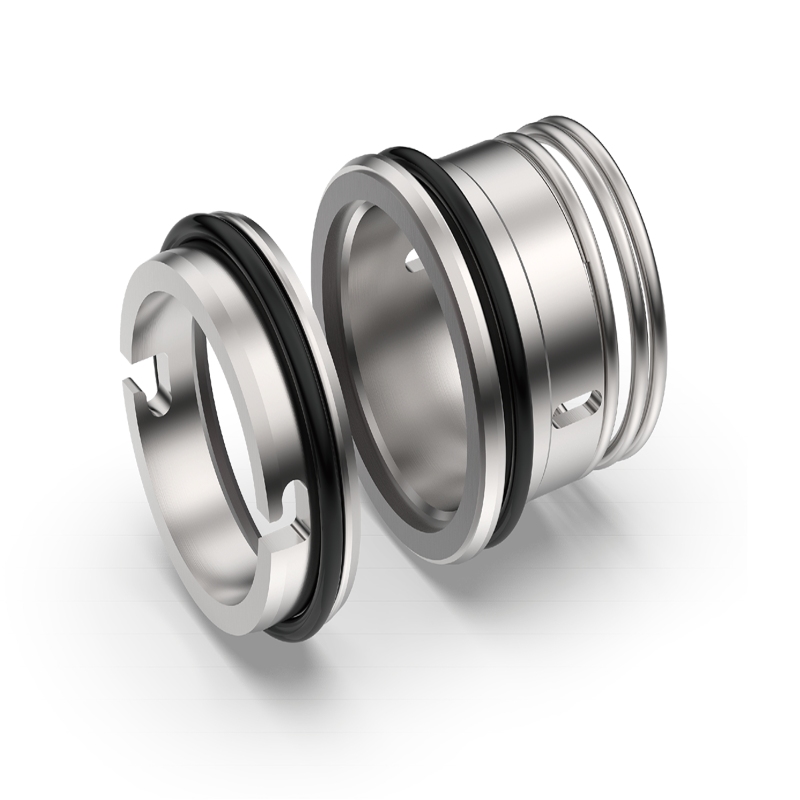
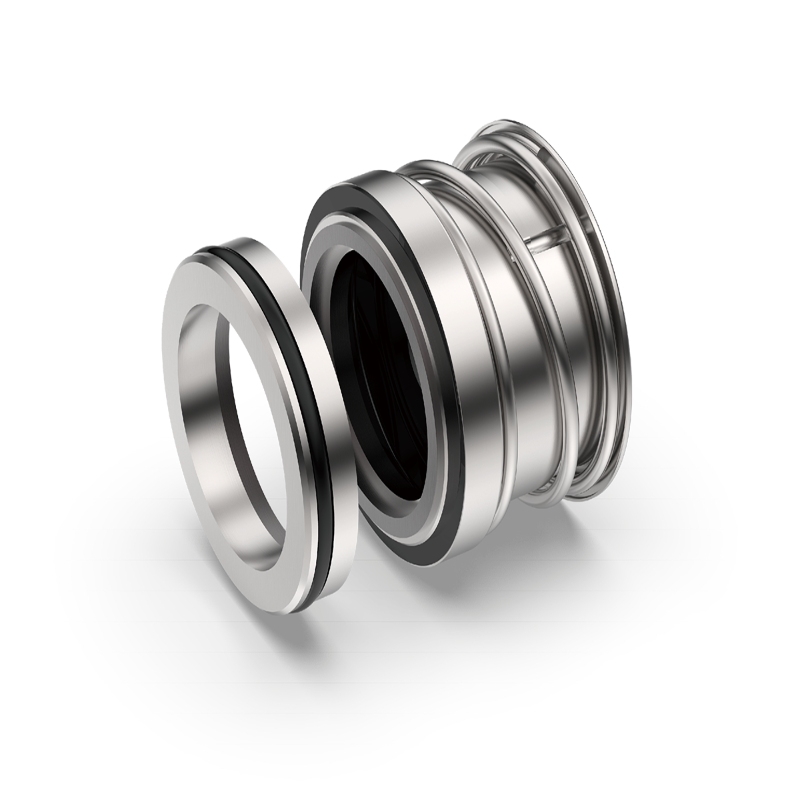
To eliminate human errors during complex field maintenance, upgrading to pre-assembled cartridge mechanical seals is a highly reliable alternative. These fully integrated units combine the seal faces, sleeve, glands, and hardware into a single pre-set assembly. Because the correct spring compression is calibrated at the production plant prior to delivery, field technicians do not need to take manual measurements or risk damaging delicate faces during installation. The unit slides directly onto the shaft, saving hours of critical downtime. For exceptionally complex setups where pulling the motor or gearbox is impractical, modern split mechanical seals allow maintenance personnel to wrap the interlocking components right around the exposed shaft sleeve, achieving an airtight fit without extensive equipment disassembly.
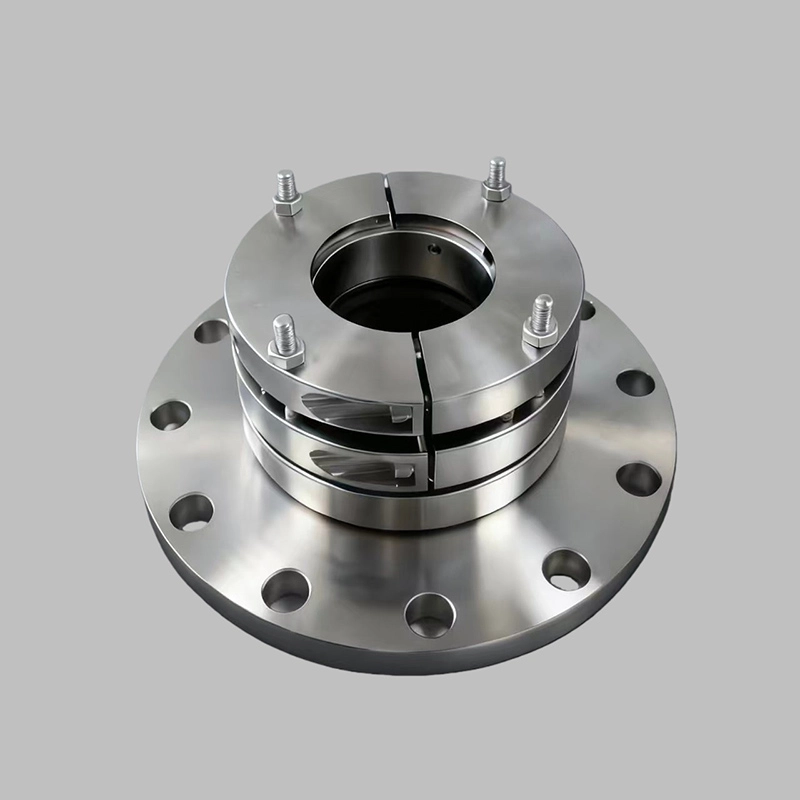
Industrial buyers can dramatically extend seal longevity by matching face and elastomer materials to the exact chemical properties of the process stream. When pumping highly corrosive acids or alkaline fluids, utilizing premium materials like alpha-sintered silicon carbide faces paired with high-performance perfluoroether O-rings prevents chemical degradation and swelling. For harsh slurry environments containing abrasive crystals, utilizing a hard-on-hard face configuration ensures the seal surfaces can grind through incoming particulates without scratching or cracking.
For industrial purchasing managers sourcing mechanical components in bulk quantities, evaluating supplier production capability is just as crucial as reviewing specific product dimensions. After gaining a clear understanding of the key mechanical failure factors, it becomes far simpler to evaluate whether an overseas manufacturer can reliably support large-scale procurement and fast-turnaround maintenance schedules. A qualified fluid engineering partner must provide not only standard dimensional items, but also highly stable production runs, deep material customization support, and rigorous quality control testing.
This is precisely where Kunshan Xinyoumi Mechanical Seal Technology Co., LTD supports buyers looking for dependable replacement options across the global chemical processing, pulp and paper, and heavy manufacturing sectors. Utilizing a sophisticated, modular design platform, the factory engineers sealing components that easily retrofit existing industrial pumps and agitating equipment without requiring expensive system modifications. The manufacturing setup at Kunshan Xinyoumi Mechanical Seal Technology Co., LTD adheres to strict international testing standards, ensuring that every batch of single, double, or metal bellows seals delivers consistent pressure resistance and face flatness. By maintaining an extensive inventory of raw materials and standard wear components, the factory effectively eliminates long delivery bottlenecks, allowing plant operators to minimize warehousing costs while maintaining reliable access to emergency replacement parts.
Controlling operational expenses and maximizing equipment uptime requires a shift away from repetitive, temporary fixes toward robust, fault-tolerant sealing designs. Analyzing the precise timing of a fluid leak allows maintenance engineers to distinguish between simple installation errors and complex mechanical issues like shaft deflection. By utilizing modern cartridge upgrades and resilient bellows configurations, industrial facilities can successfully overcome equipment aging and eliminate chronic seal leaks without changing their core pump machinery.
Q1: Why is my mechanical seal leaking immediately after installation?
A: An immediate leak following maintenance usually indicates an accidental cut or pinch in the secondary sealing O-ring during assembly, or an incorrect axial compression calculation. Upgrading to a pre-assembled cartridge design eliminates these common manual installation errors by protecting the inner components within a pre-set housing.
Q2: How do I stop a mechanical seal leakage problem on an old pump with high vibration?
A: High vibration and shaft runout constantly force standard seal faces apart. To stop this specific type of leakage without buying a new pump, replace the rigid spring assembly with a flexible metal bellows seal, which naturally flexes to maintain continuous face contact despite heavy dynamic shaft movement.
Q3: What seal face materials work best for abrasive slurry applications?
A: Abrasive slurries require a hard-on-hard face combination to prevent scratching from trapped particulates. Utilizing premium silicon carbide versus silicon carbide faces provides the extreme hardness and thermal conductivity needed to resist abrasive wear and prevent premature face devastation.
Q4: Can a split mechanical seal resolve chronic leakage without dismantling my mixer?
A: Yes, a split mechanical seal is specifically engineered to resolve leakage on large mixers and agitators without requiring technicians to remove heavy motors or gearboxes. The components are split into identical halves that install directly onto the existing shaft, reducing replacement downtime from days to just a few hours.