Nullam dignissim, ante scelerisque the is euismod fermentum odio sem semper the is erat, a feugiat leo urna eget eros. Duis Aenean a imperdiet risus.
Nullam dignissim, ante scelerisque the is euismod fermentum odio sem semper the is erat, a feugiat leo urna eget eros. Duis Aenean a imperdiet risus.
 author
In chemical plants, pharmaceutical workshops, food processing lines, slurry handling systems, and new energy material production, industrial mechanical seals are often judged only after a problem appears. A seal starts leaking, a pump loses efficiency, a reactor must stop for maintenance, or a batch is delayed because one small sealing component cannot arrive on time. For purchasing teams and equipment engineers, that small component can decide production stability.
A good mechanical seal should match the equipment, medium, pressure, temperature, shaft movement, maintenance habits, and spare parts plan. Price matters, but the lowest-priced seal can become expensive when it causes unplanned downtime. Kunshan Xinyoumi Mechanical Seal Technology Co., LTD focuses on mechanical seal solutions for pumps, reactors, mixers, agitators, and auxiliary sealing systems, with product development built around modular design, easier maintenance, and practical spare parts availability. This is the kind of supplier support that matters when a plant needs both technical fit and dependable delivery.
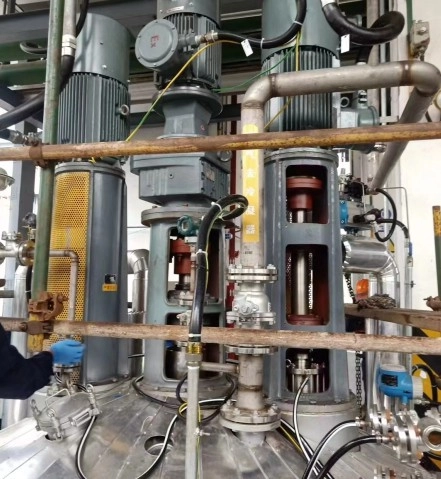
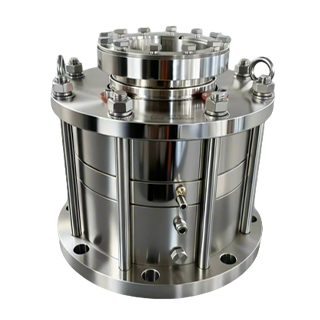
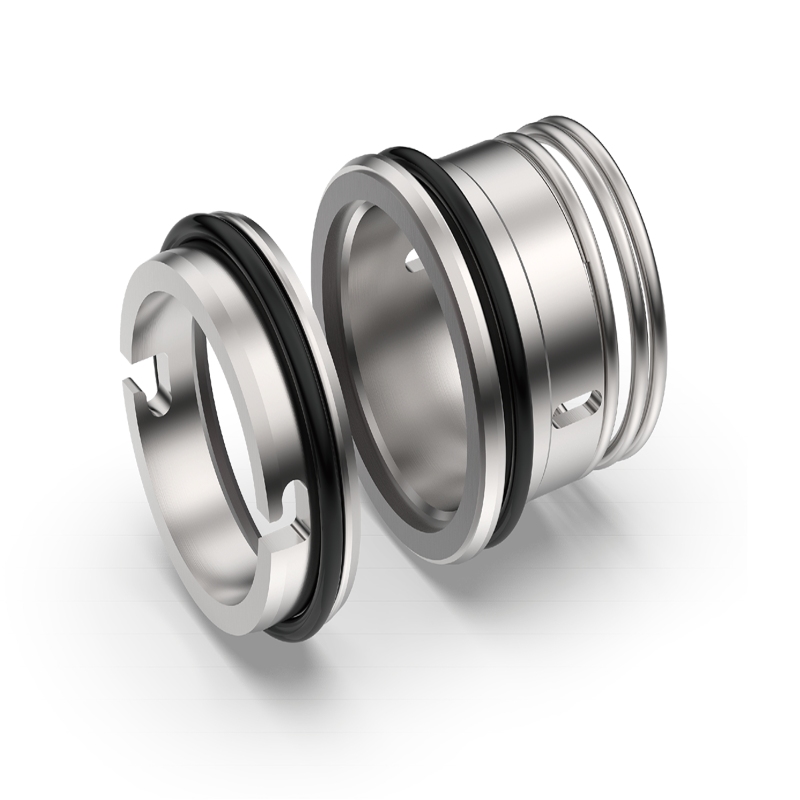
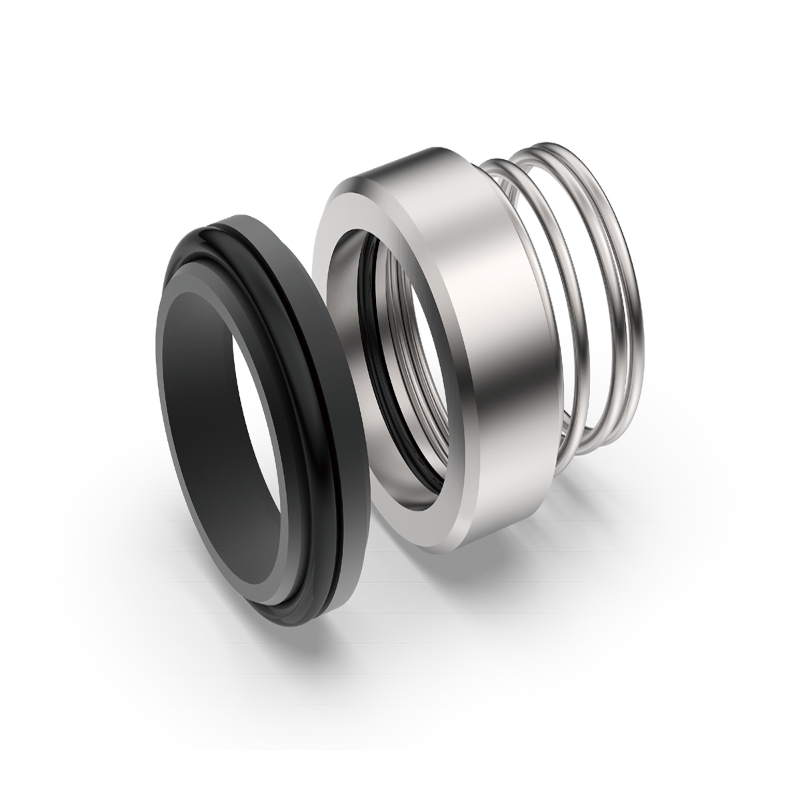
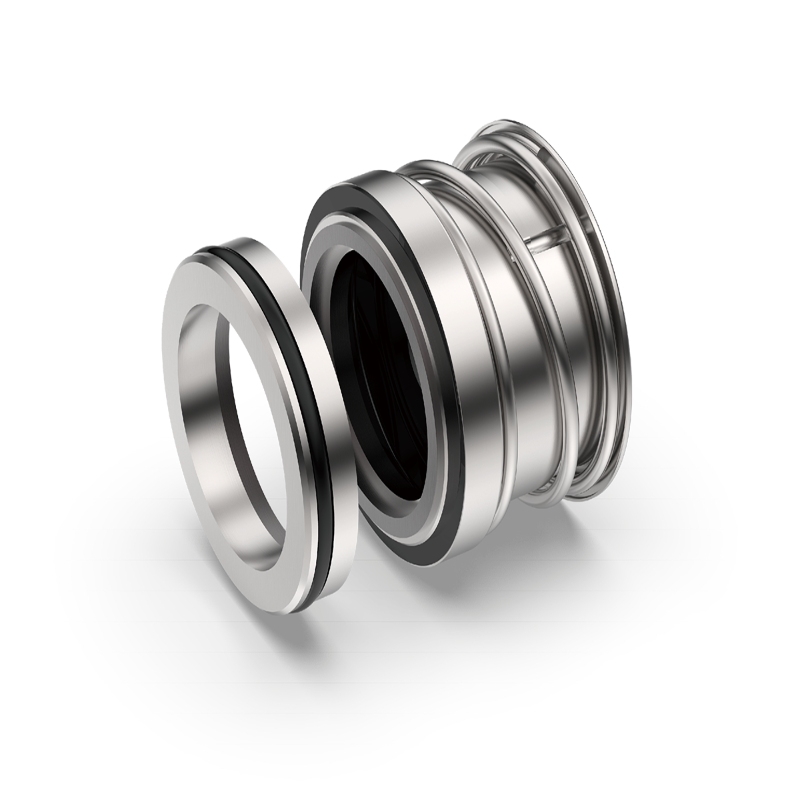
A mechanical seal controls leakage around a rotating shaft. The basic structure usually includes a rotating ring, a stationary ring, springs, auxiliary seals, a sleeve, and a gland or housing. In operation, the seal faces remain in controlled contact while the shaft rotates, allowing the equipment to run without relying on traditional packing leakage.
The principle sounds simple. The site conditions are not. A centrifugal pump seal may face vibration and cavitation. A slurry pump mechanical seal must handle particles and abrasion. A reactor mechanical seal may work under pressure fluctuation, vacuum, solvent vapor, crystallization, or high temperature. An agitator mechanical seal may need to tolerate shaft swing that is less common in standard pump service. Because of this, proper mechanical seal selection starts with the process data, not with a product photo or an old model number.
Single mechanical seals are commonly used in clean water, light chemical media, oil, and general process fluids. They are suitable when the medium is not highly dangerous, the leakage tolerance is reasonable, and the working condition is stable. For standard pump mechanical seal replacement, this structure is often selected because it is simple, familiar to maintenance teams, and cost-effective for routine operation.
Double mechanical seals are used when leakage control must be stricter. Toxic, flammable, corrosive, expensive, or easily crystallized media often require a double-end-face design with buffer fluid or barrier fluid. In reactor applications, this structure helps protect operators, reduce environmental risk, and prevent process contamination. When a plant handles solvents, acids, pharmaceutical intermediates, or high-value chemical materials, a double mechanical seal is often a safer decision than repeatedly repairing a leaking single seal.
Modular mechanical seals are valuable in plants where equipment models vary but maintenance teams need faster replacement. Kunshan Xinyoumi Mechanical Seal Technology Co., LTD applies modular design across many mechanical seal products, including reactor seals and pump seals. This approach can reduce the difficulty of installation, make vulnerable parts easier to replace, and support more flexible matching for different flange standards or operating conditions.
For procurement teams, modular design also helps with inventory planning. When common wear parts are stocked in large quantities, emergency maintenance does not have to wait for a full custom assembly. Shorter delivery cycles reduce the risk of long production stoppages.
A split mechanical seal is useful when large equipment cannot be dismantled easily. Instead of removing motors, reducers, couplings, or heavy frames, maintenance teams can replace the seal at the site. In older plants, large mixers, fermenters, or pumps may have limited access. A split design can save labor hours and reduce shutdown pressure, especially when the process line is already behind schedule.
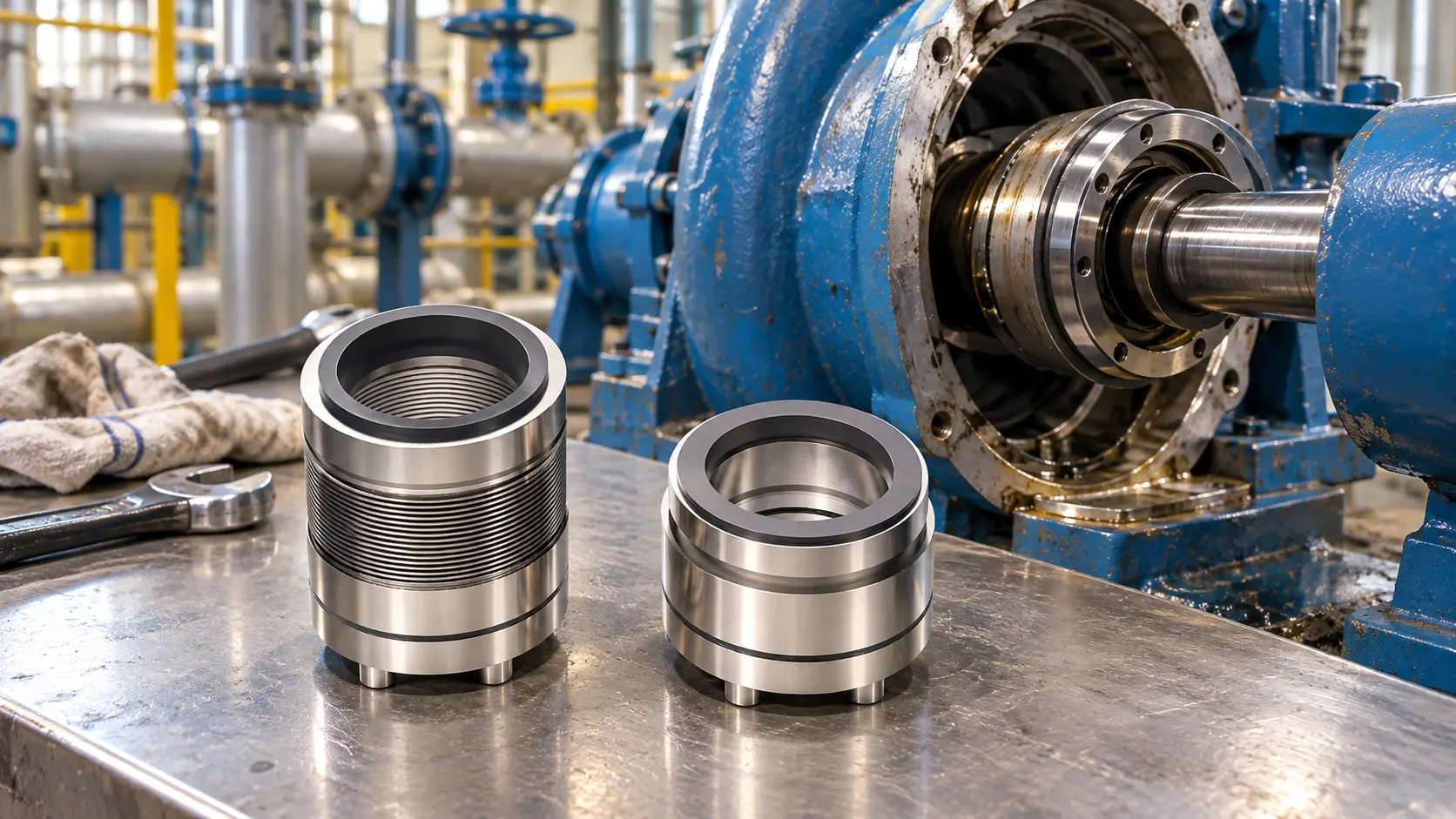
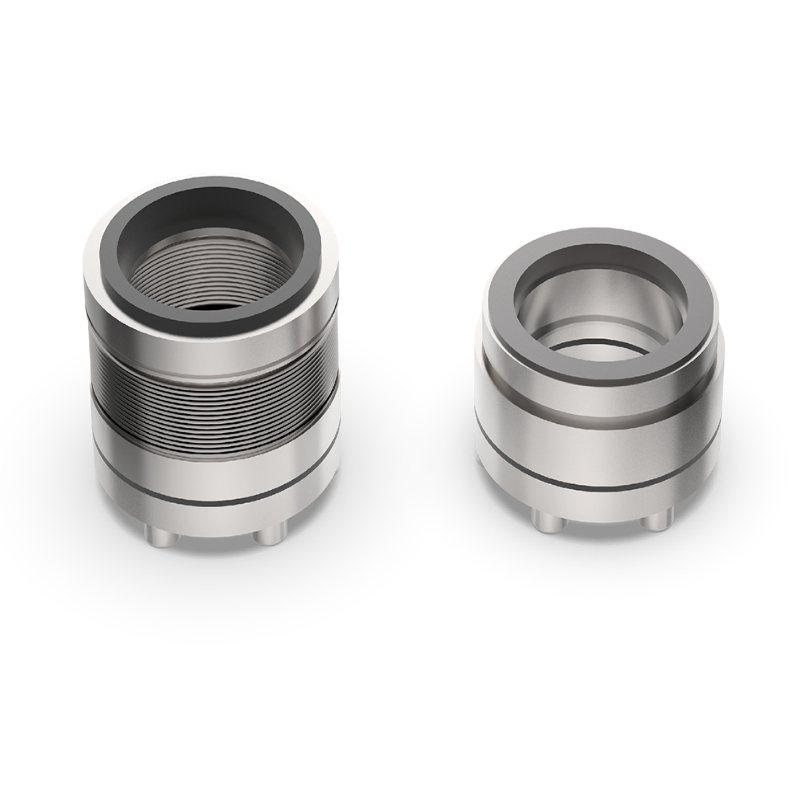
Metal bellows mechanical seals are used in applications where high temperature, low temperature, corrosion, or elastomer limits create problems for standard designs. A metal bellows structure provides elastic compensation without depending on a conventional spring-and-rubber arrangement in the same way. For hot oil, solvents, chemical pumps, and high-temperature reactors, this type of seal may offer better stability when paired with suitable face materials and metal parts.
Pump mechanical seals are used in centrifugal pumps, slurry pumps, chemical pumps, wastewater pumps, and high-temperature transfer pumps. A clean water pump and a slurry pump cannot be treated the same way. In abrasive service, seal faces must resist wear. In chemical service, the metal parts and auxiliary seals must resist corrosion and swelling. In high-temperature service, cooling or special materials may be needed.
Buyers comparing pump mechanical seal products should confirm shaft diameter, pressure, speed, medium, particle content, and expected maintenance interval before ordering. A heavy-duty slurry seal, for example, must be selected with attention to solids content and abrasion, not only pump size.

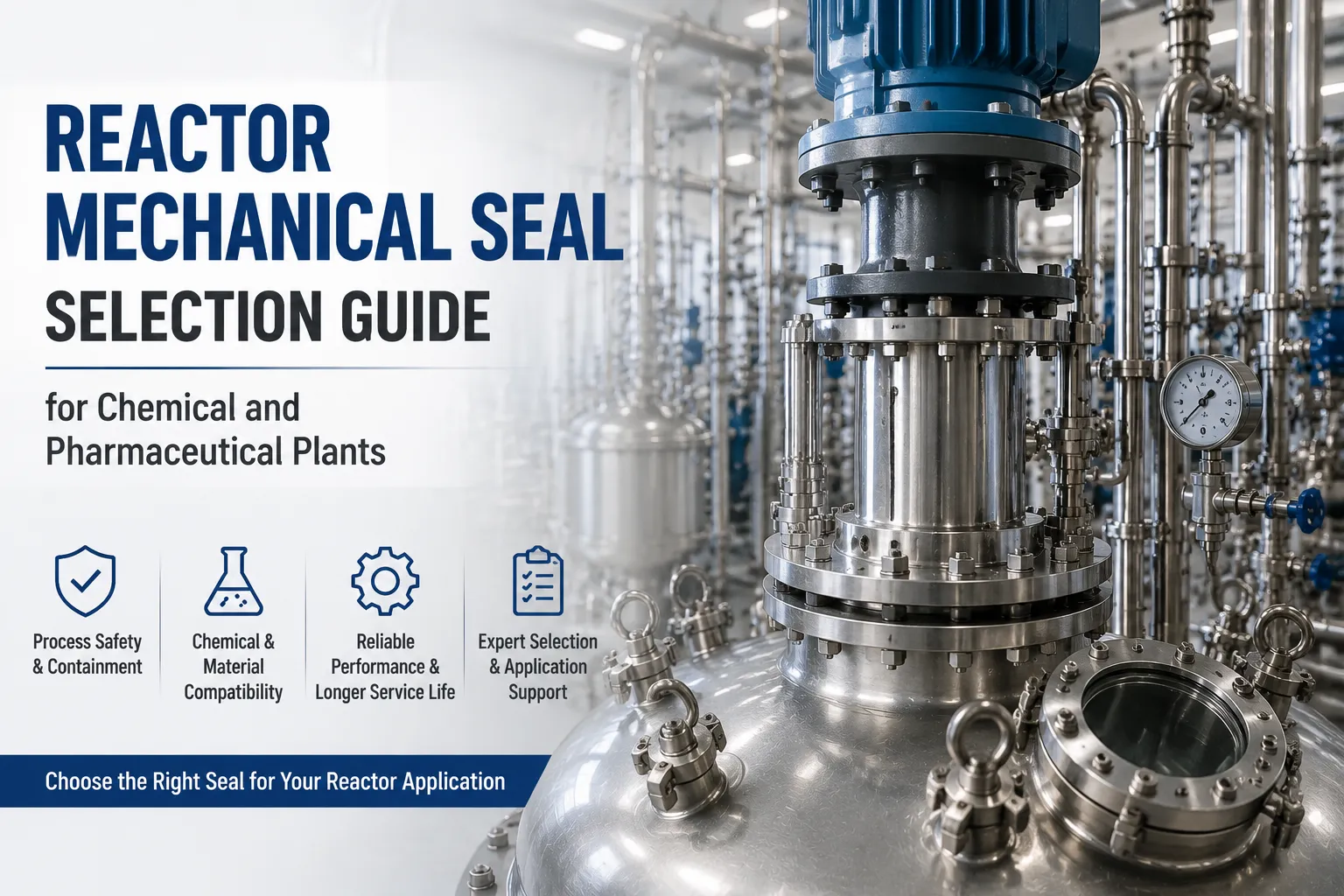
Reactors, mixers, and agitators create some of the most demanding seal conditions. Glass-lined reactors, steel reactors, special material reactors, fermenters, horizontal dryers, and side-entry agitators may all require different seal structures. Temperature changes, shaft deflection, crystallized media, vacuum, sterilization, and corrosive vapors can all shorten seal life.
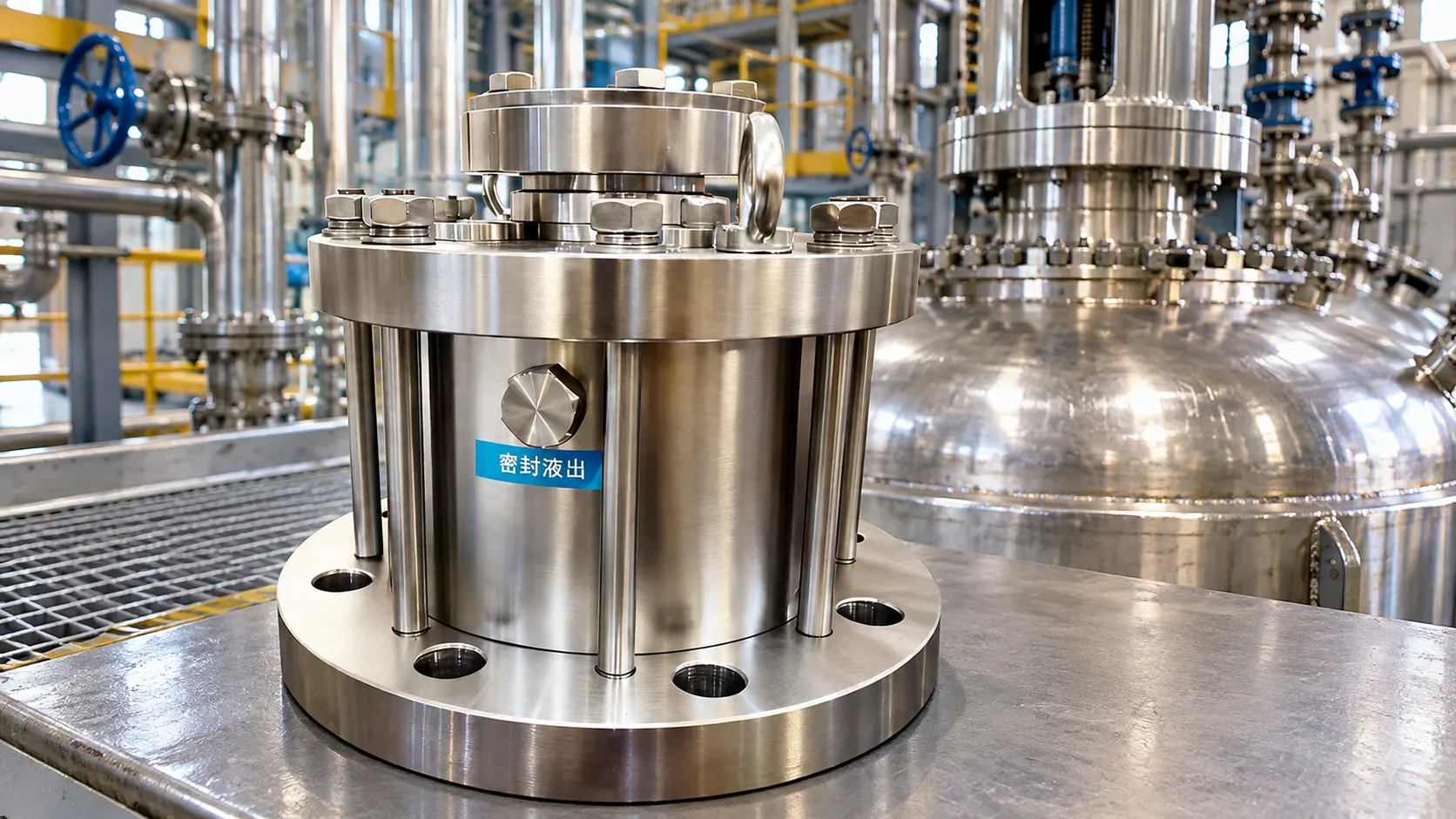
Kunshan Xinyoumi Mechanical Seal Technology Co., LTD supplies reactor mechanical seal series for glass-lined vessels, steel vessels, and special material reactors. The company’s modular platform allows different reactor standards to be matched more efficiently, while dry-running and wet-running configurations can be selected according to operating needs.
Some working conditions cannot be solved by the mechanical seal alone. Seal support systems may be needed for cooling, flushing, pressurization, barrier fluid circulation, or leakage monitoring. Auxiliary equipment such as PLAN53A, PLAN53B, PLAN53C, balance tanks, and booster tanks is commonly considered when the medium is toxic, high-temperature, high-pressure, volatile, or easy to crystallize.
Seal face materials should be selected according to wear resistance, chemical compatibility, lubrication condition, and temperature. Carbon graphite is often used where self-lubricating behavior is needed. Silicon carbide and tungsten carbide are common choices for abrasive or corrosive media. Ceramic and silicon nitride may also be used in selected applications. The wrong seal face pairing can cause heat, scoring, rapid wear, and leakage.
Auxiliary seals may include FKM, EPDM, PTFE, FEP-coated O-rings, PFA-coated O-rings, FFKM, and flexible graphite. Metal components may use 304, 316, 316L, duplex stainless steel, titanium, Hastelloy-type alloys, nickel-based alloys, or PTFE-lined structures depending on the medium. Strong acids, high chloride media, solvents, ammonia water, and high-temperature services all require careful material matching.
For custom mechanical seal procurement, complete working data should be provided before selection. Useful details include medium name, concentration, temperature, pressure, shaft diameter, speed, flange standard, installation space, cleaning method, and whether particles or crystallization are present.
Mechanical seal buyers are not only buying a drawing-based component. They are buying response speed, technical judgment, machining consistency, inspection control, and spare parts support. Kunshan Xinyoumi Mechanical Seal Technology Co., LTD has built its supply advantages around three practical needs: modular design for easier operation and maintenance, large inventories of vulnerable parts for faster delivery, and controlled quality with cost-conscious pricing.
This matters in plants where one missing O-ring, stationary ring, sleeve, or spring can delay repair. When vulnerable parts are available from stock, maintenance teams can restore equipment faster. When modular structures are used across related seal models, procurement becomes easier to manage across pumps, reactors, and auxiliary systems.
Mechanical seal selection should be based on real process conditions rather than a simple model replacement. Equipment type, medium, pressure, temperature, corrosion, solids content, shaft movement, leakage tolerance, and spare parts strategy all affect the final choice. For pumps, reactors, mixers, and harsh industrial processes, Kunshan Xinyoumi Mechanical Seal Technology Co., LTD provides a practical supply option built around modular design, shorter delivery cycles, stocked wear parts, and reliable cost performance. Buyers can send operating data for a seal recommendation before confirming a standard or custom mechanical seal order.
Q1: How do I know which mechanical seal model fits my pump or reactor?
A: The safest way is not to choose by appearance or old model number alone. A supplier usually needs the equipment type, shaft diameter, operating pressure, temperature, speed, medium name, concentration, particle content, and flange or installation drawing. For reactor mechanical seals, the reactor standard and nozzle size are also important. If the old seal failed too quickly, the replacement should be checked against the actual working condition, not copied blindly.
Q2: Can one mechanical seal be used for different pumps or reactors in the same plant?
A: Sometimes it can, but only when the shaft size, installation space, pressure, temperature, medium, and equipment structure are close enough. Modular mechanical seals make standardization easier because related models can share similar design platforms and common vulnerable parts. For plants with many pumps, mixers, or reactors, standardizing several key seal types can reduce inventory pressure and shorten future maintenance time.
Q3: What information should be sent before asking for a mechanical seal quotation?
A: A useful quotation request should include shaft diameter, equipment type, medium, concentration, working pressure, working temperature, rotating speed, material requirements, quantity, and photos or drawings of the existing seal if available. For corrosive, toxic, flammable, crystallizing, or abrasive media, the supplier should also know whether flushing, cooling, buffer fluid, or a seal support system is required. More complete data usually leads to a more accurate price and fewer revisions.
Q4: Why did the last mechanical seal fail so quickly?
A: Fast seal failure is often caused by dry running, wrong material selection, shaft runout, vibration, incorrect installation, poor cooling, abrasive particles, crystallization, or chemical attack on O-rings and metal parts. In many cases, the problem is not only the seal itself. The pump condition, reactor shaft movement, medium change, or missing auxiliary system should also be checked before ordering the next replacement.
Q5: Should a buyer choose a single mechanical seal or a double mechanical seal?
A: A single mechanical seal is often suitable for general, clean, and lower-risk media. A double mechanical seal should be considered when the medium is toxic, flammable, corrosive, expensive, volatile, or not allowed to leak into the workshop. For reactors, chemical pumps, mixers, and pharmaceutical or food equipment, the decision should be based on safety, leakage tolerance, product purity, and maintenance cost rather than only the initial purchase price.